
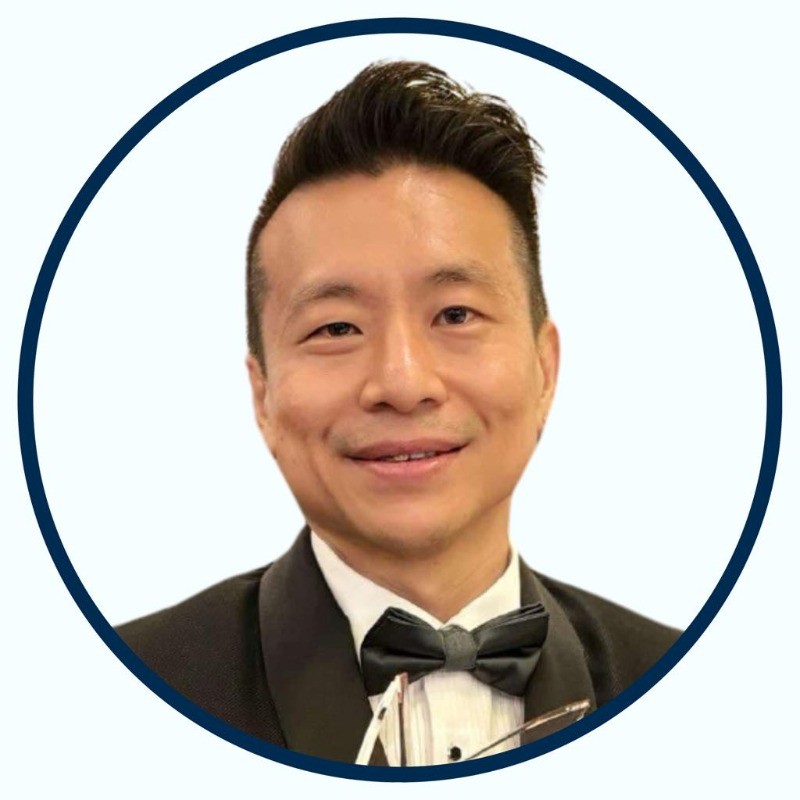
In a recent LinkedIn post, Alvin Huang Truegenics shares hard-won lessons about the evolving role of a CEO, particularly the critical need to delegate and empower teams to avoid becoming a bottleneck. Huang recounts a difficult period at Truegenics in 2020, where despite a large team on paper, the company functionally relied on him for every significant decision. This realization, born from a period of restructures and personal reflection, led him to identify five core responsibilities that define an elite CEO.
The Perils of Being the Bottleneck
Huang vividly describes the consequences of being indispensable. “On paper we looked like a huge team, but functionally it was me with 30 helpers,” he writes. This situation created a critical vulnerability: “I was the bottleneck for every important decision. And when I went offline, the company went offline with me.” This experience underscored a painful truth: if a business cannot operate without the founder or CEO’s constant intervention, it is not a scalable business but rather a job with significant overhead.
“If your business can’t run without you, you don’t own a business. You own a job with extra steps.”
This pivotal insight drove Huang to re-evaluate his approach. He spent time studying other leaders and engaging in pro bono coaching to understand how to transition from being the primary operator to a true leader who enables others.
The Five Pillars of Elite CEO Leadership
After two decades and building a team of over 60 members, Huang has distilled the CEO’s essential functions into five key areas. He asserts that anything outside these five should be delegated, systematized, or disregarded.
1. Set the Vision
Huang emphasizes that a vision is not merely a presentation or a statement; it must be tangible and actionable for the team. “If your team can’t connect it to Tuesday, you haven’t set one,” he states, highlighting the need for practical application rather than abstract ideals.
2. Make Execution Happen
This involves placing the right people in the right roles and then trusting them to perform. Huang warns against the temptation to micromanage, noting, “Skipping the trust is just expensive duplication.” True execution relies on empowered individuals.
3. Develop Other Leaders
A key indicator of a leader’s success, according to Huang, is not their ability to lead, but their team’s ability to lead independently. “The test isn’t whether you can lead. It’s whether your people can lead without you,” he argues.
4. Shape the Culture
Huang defines culture as the practical reality of what is rewarded and what is tolerated within an organization. He draws a distinction between this and performative gestures, stating, “Culture is what you reward and tolerate. Not what you post about on LinkedIn.”
5. Lead by Example
Setting standards starts at the top. Huang believes that genuine leadership requires embodying the desired behaviors. “Standards are set at the top, not in the handbook. Want ownership from your team? Take it first,” he advises.
Huang concludes his post by reinforcing that frameworks and systems are more reliable than instinct for building a successful, scalable business. He offers resources, including “The Vault” from Truegenics, which contains systems he developed to help other leaders avoid the pitfalls he encountered.
📝 About This Content
This article is based on insights shared by Alvin Huang Truegenics on LinkedIn.
📅 Originally posted on June 3, 2026 | View original post on LinkedIn →