
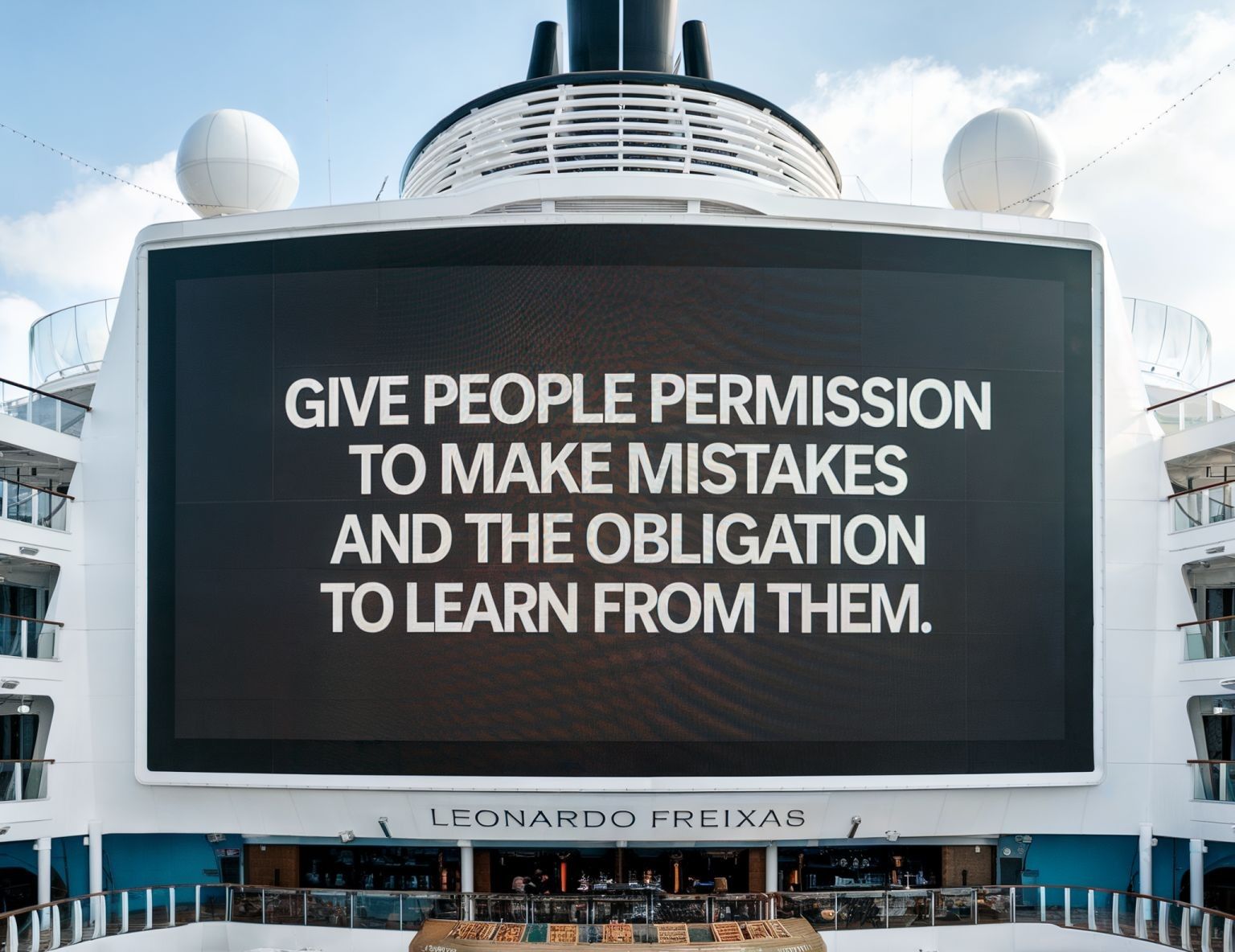
In a recent LinkedIn post, Leonardo Freixas tackles a critical, often overlooked, aspect of organizational health: psychological safety. Freixas argues that this intangible quality is not just a ‘nice-to-have’ but the fundamental currency that drives innovation, retains talent, and ultimately impacts a company’s bottom line, often more than expensive innovation programs.
The Cost of a Fear Culture
Freixas begins by asserting a stark reality: employees may be withholding crucial information not out of malice, but due to a lack of psychological safety. He contrasts the outcomes of toxic versus safe cultures, stating:
In toxic cultures:
• Innovation dies
• Talent leaves
• Trust erodesBut in safe spaces?
• Ideas flourish overnight
• Solutions emerge naturally
• Teams hit impossible goals
This highlights a core tenet of Freixas’s argument: the tangible benefits of a psychologically safe environment are immense, while the costs of its absence are even greater. He points out the disconnect between corporate rhetoric and reality, noting the common platitudes leaders often use.
Debunking Corporate Theater
Freixas calls out phrases like “We’re all family here,” “Failure is welcome,” and “My door is always open” as potentially hollow if not backed by genuine practices that foster safety. He contrasts the significant investments in innovation programs with the often-unquantified, yet far more substantial, financial drain of a fear-based culture.
According to Freixas, the companies that truly excel in innovation are not those with the most sophisticated processes, but those that cultivate genuine psychological safety. He elaborates on this point:
The most innovative companies I know?
They don’t punish mistakes.
They don’t silence dissent.
They don’t fake feedback.Their secret?
Not better processes.
Better psychological safety.
Building a Culture of Safety
Freixas offers actionable advice for leaders seeking to build this essential foundation. He suggests a shift in how employees who bring potentially negative news or challenging questions are treated. Instead of punishment or dismissal, Freixas advocates for rewarding the messenger, celebrating questions, and viewing vulnerability as a strength.
He emphasizes the long-term implications of these cultural choices. As Freixas concludes:
Because tomorrow?
That risky idea might save your company.
That silent employee might leave with it.
Ultimately, Freixas urges leaders to reflect on the culture they are actively building, posing the critical question: “Which culture are you building?” His insights serve as a wake-up call, emphasizing that true leadership success lies in fostering an environment where every employee feels safe to contribute their best ideas and insights.
📝 About This Content
This article is based on insights shared by Leonardo Freixas on LinkedIn.
📅 Originally posted on February 18, 2026 | View original post on LinkedIn →