
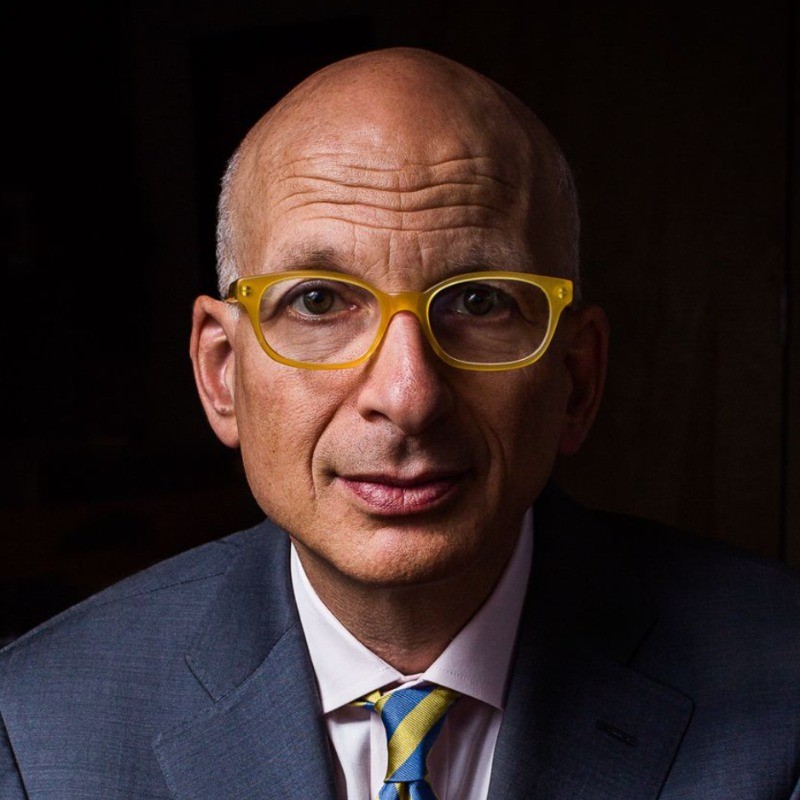
In a recent LinkedIn post, Seth Godin 🌔 discusses a profound shift in our relationship with information, declaring the end of the ‘content shortage.’ Godin 🌔 argues that we have moved beyond a time when scarcity drove demand, entering an era of overwhelming abundance that is fundamentally changing how we consume and value content.
The post begins by illustrating how access to information and creative works has never been easier, drawing parallels between various forms of media and learning. Godin 🌔 suggests that one can be well-informed or skilled in numerous domains without engaging with traditional gatekeepers or sources.
“You can be fashionable without reading Vogue . You can be informed without watching the nightly news. You can be smart about science without going to MIT. It’s possible to be a great chef without buying a cookbook. In fact, you can probably thrive without reading this blog.”
This ease of access is further amplified by modern technology. Godin 🌔 highlights the proliferation of creators and the advent of AI-powered tools that can generate content on demand.
The Era of Infinite Content
According to Seth Godin 🌔, the traditional model where content generated demand for more content is reaching its limit. Historically, new forms of media or creative works often spurred a desire for even more, creating a cycle of increasing consumption. Godin 🌔 points to examples like the rise of radio formats and the expansion of music availability through digital platforms.
“For generations, content has created the demand for more content. A few movies increased our desire to watch more movies. AM radio created the demand for FM, which sold more records, and then Napster magnified our desire for even more music.”
However, this continuous spiral of content creation and consumption has led to a critical point, what Godin 🌔 terms ‘the wall of enough.’
Hitting the Wall of Enough
The central thesis of Godin 🌔’s post is that the sheer volume of available content is now leading to a sense of saturation, or ‘ennui.’ This overwhelming abundance, rather than increasing our desire for more, is causing a reversal in that trend. The constant influx of information, much of which may be redundant or low-value, is causing audiences to become fatigued.
The Implications of Content Saturation
As Seth Godin 🌔 notes, the implication of this saturation is a recalibration of value. In a world where ‘millions of songs on Spotify have only been listened to a few times each,’ the emphasis shifts from mere availability to genuine connection and impact. The challenge for creators and businesses is no longer about producing more content, but about creating content that stands out, resonates, and provides true value amidst the noise.
Godin 🌔’s analysis suggests a future where discerning audiences will be less driven by the novelty or quantity of content and more by its quality, relevance, and ability to foster meaningful engagement. The era of content scarcity is definitively over, replaced by a landscape where attention is the most precious commodity.
The post concludes by noting that this is a repost of his blog, with the most up-to-date version available at seths.blog.
📝 About This Content
This article is based on insights shared by Seth Godin 🌔 on LinkedIn.
📅 Originally posted on March 26, 2026 | View original post on LinkedIn →