
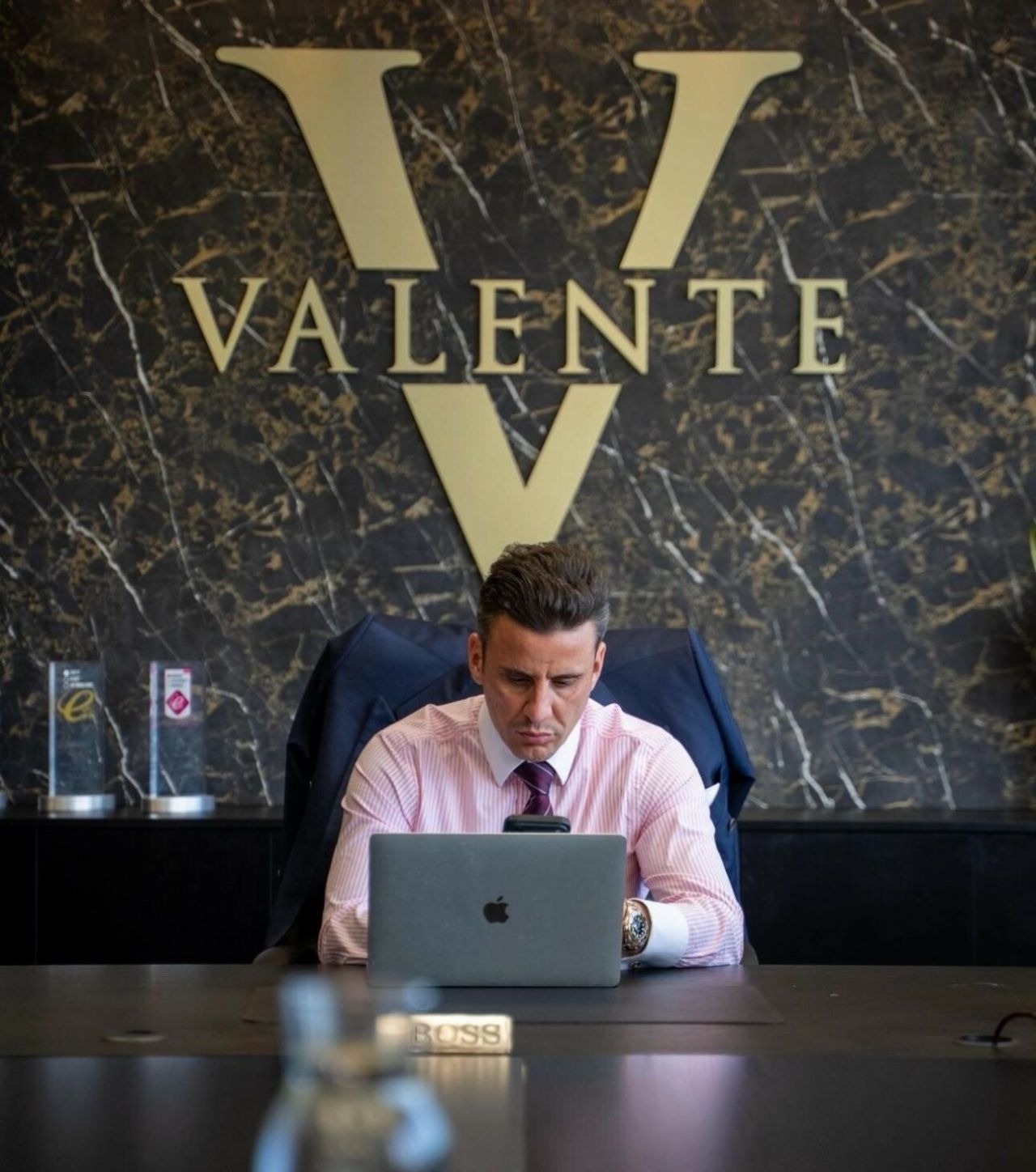
In a recent LinkedIn post, Joseph Valente discusses the critical link between leadership standards and business performance, arguing that businesses cannot outperform the levels of behavior that leaders are willing to accept.
The Foundation of Business Culture
Joseph Valente asserts that the culture within any organization is a direct reflection of the behaviors that leadership chooses to reward. This means that leaders play a pivotal role in shaping the environment and expectations of their teams. However, Valente points out a common pitfall for many entrepreneurs: the tendency to lower standards in an attempt to preserve relationships or sidestep uncomfortable discussions.
“Culture is created by the behaviour leadership rewards.”
According to Valente, this approach to leadership is ultimately detrimental. He argues that avoiding necessary conversations does not protect individuals or the business; instead, it allows underperformance to fester, eventually escalating into a problem that is too significant to ignore.
The Imperative of Strong Leadership
Valente emphasizes that true leadership involves more than just setting a direction; it requires a comprehensive approach to managing performance and expectations. He outlines three key components of strong leadership:
- Setting clear expectations for all team members.
- Providing the necessary support to enable individuals to meet those expectations.
- Holding individuals accountable when expectations are not met.
Joseph Valente questions the current state of business operations by asking:
“What standard is your business currently tolerating that needs to change?”
This question serves as a direct challenge to business leaders to critically examine their own tolerance for mediocrity and to consider the long-term impact of such tolerance on their company’s success. Valente’s insights suggest that a willingness to address underperformance head-on, coupled with clear communication and support, is essential for fostering a high-performing business environment.
Consequences of Lowered Standards
Valente’s post highlights the subtle yet damaging effects of tolerating subpar performance. He explains that by avoiding difficult conversations, leaders inadvertently signal that lower standards are acceptable. This can lead to a gradual erosion of quality, productivity, and overall business results.
“But where many entrepreneurs go wrong is that they lower standards because they want to protect relationships and avoid difficult conversations.”
In Joseph Valente’s view, this is a short-sighted strategy that ultimately harms both the employee being protected and the business as a whole. The delay in addressing issues allows them to compound, making the eventual resolution more complex and potentially more damaging. As Valente notes, the business itself will plateau or decline if its leaders permit standards to slip.
Moving Towards Accountability
The core message from Joseph Valente’s LinkedIn post is a call to action for leaders to embrace accountability, both for themselves and their teams. By setting unambiguous expectations, offering robust support systems, and consistently enforcing standards, leaders can cultivate a culture of excellence. Valente’s analysis underscores the idea that a business’s capacity to excel is fundamentally capped by the standards its leadership is prepared to uphold.
“Your business will never outperform the standards you are prepared to tolerate.”
Ultimately, Valente encourages leaders to reflect on their own practices and to identify areas where standards may have slipped, urging them to take decisive action to realign their business with higher performance benchmarks.
📝 About This Content
This article is based on insights shared by Joseph Valente on LinkedIn.
📅 Originally posted on September 12, 2026 | View original post on LinkedIn →