
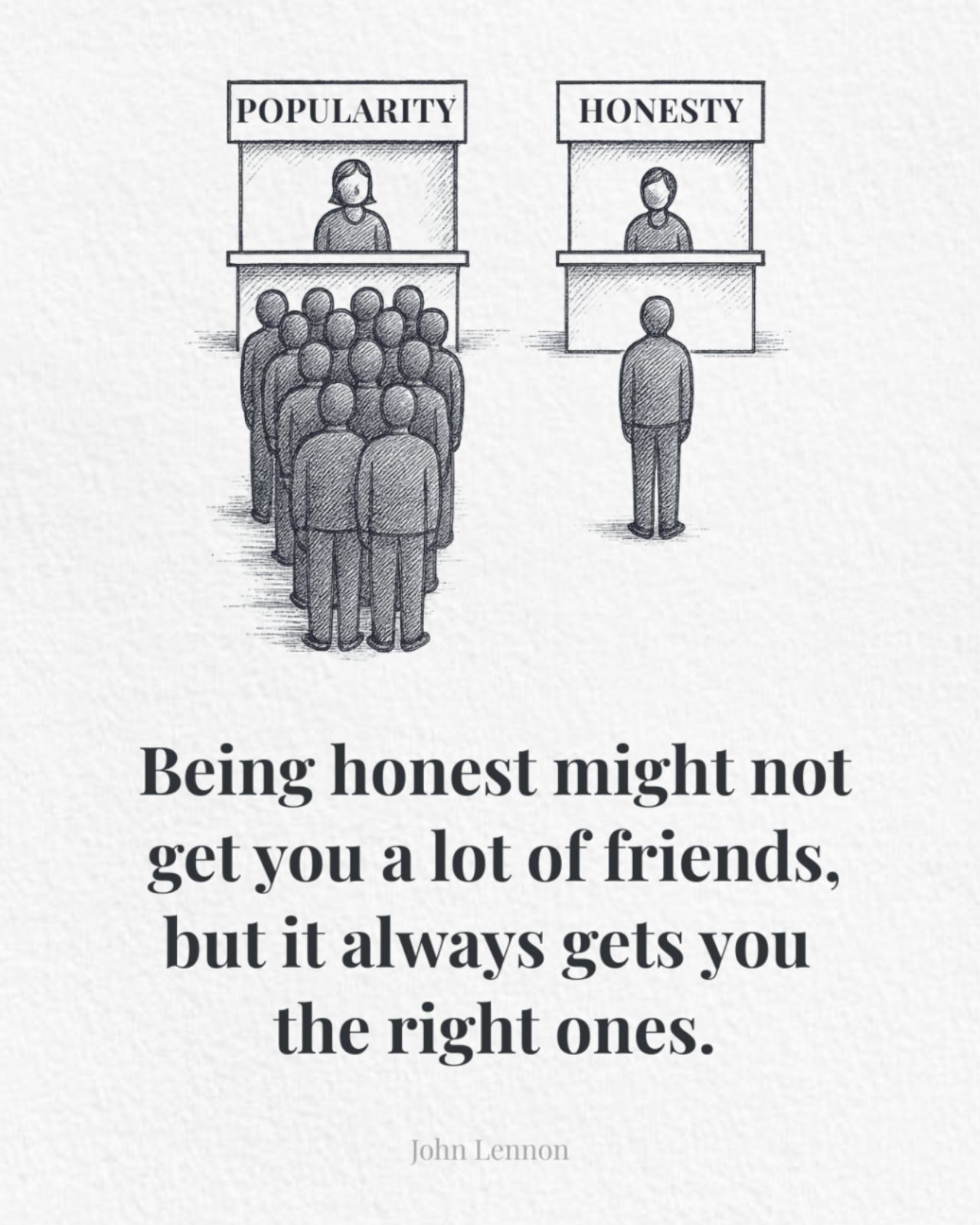
In a recent LinkedIn post, Ani Filipova dives into the often-difficult journey of shedding pretense and embracing authentic connections. The post tackles the societal pressure to conform and the internal conflict that arises when individuals choose honesty over acceptance, a theme Filipova argues is crucial for genuine fulfillment.
Filipova begins by highlighting a common paradox: while many aspire to “finding your people” and forging “authentic connections,” the actual act requires a significant degree of courage. This courage is often lacking because the desire to be liked and accepted can lead individuals to adopt a persona, a form of “pretending” that, over time, fosters feelings of not belonging and deep unfulfillment.
“Performance is exhausting. You can keep it up for years. You just can’t keep it up forever.”
This performance, Filipova explains, is unsustainable. Eventually, individuals reach a point where they must confront the choice to “stop pretending.” This decision, she emphasizes, is not trivial. It creates a void, a period where the old, performative self is shed, but a new, authentic identity has not yet fully solidified.
The Cost of Authenticity
Filipova details the potential repercussions of this shift, noting that as individuals drop the “perfect marriage narrative,” the “impressive career arc,” or the “lifestyle that photographs well,” some relationships may falter. She posits that this thinning of the crowd isn’t necessarily due to malicious intent from others, but rather because “your honesty makes them uncomfortable with their own compromises” or because they are simply not drawn to the emerging authentic self.
Navigating the Emptiness
The author acknowledges the isolating nature of this transition. “The moment someone stops pretending, the crowd thins,” Filipova writes, illustrating how social invitations may dwindle and conversations may cease. This can lead to profound self-doubt, with individuals questioning if they have “traded everything for nothing.” However, Filipova reframes this solitude not as a loss, but as a powerful form of freedom.
“That solo figure? They are free. Free to be known instead of just liked. Free to be chosen for who they actually are. Free to breathe.”
Filipova asserts that this state of being alone, while challenging, allows for true self-discovery and the formation of deeper, more meaningful connections based on genuine identity rather than curated performance.
Strategies for Embracing the Gap
To help individuals navigate this “uncomfortable middle,” Filipova offers practical advice:
- Audit your performance, not your relationships: Instead of questioning what was done wrong when people drift away, Filipova advises asking, “What role did I stop playing?” This helps identify conditional aspects of past connections.
- Don’t rush to refill the silence: Resisting the urge to quickly replace lost connections is crucial. Filipova argues that the gap allows for recalibration of standards, and filling it too soon risks recreating old, performative dynamics.
- Signal clearly who you are now: Authenticity needs clear communication. Filipova stresses the importance of naming values and boundaries so that compatible individuals can find and connect with the real self.
In essence, Ani Filipova’s post serves as a guide for those undergoing significant personal shifts, advocating for the profound liberation that comes from embracing authenticity, even when it means facing a temporary solitude. As Filipova concludes, this space, though challenging, is where true freedom and genuine connection can be found.
📝 About This Content
This article is based on insights shared by Ani Filipova on LinkedIn.
📅 Originally posted on January 26, 2026 | View original post on LinkedIn →