
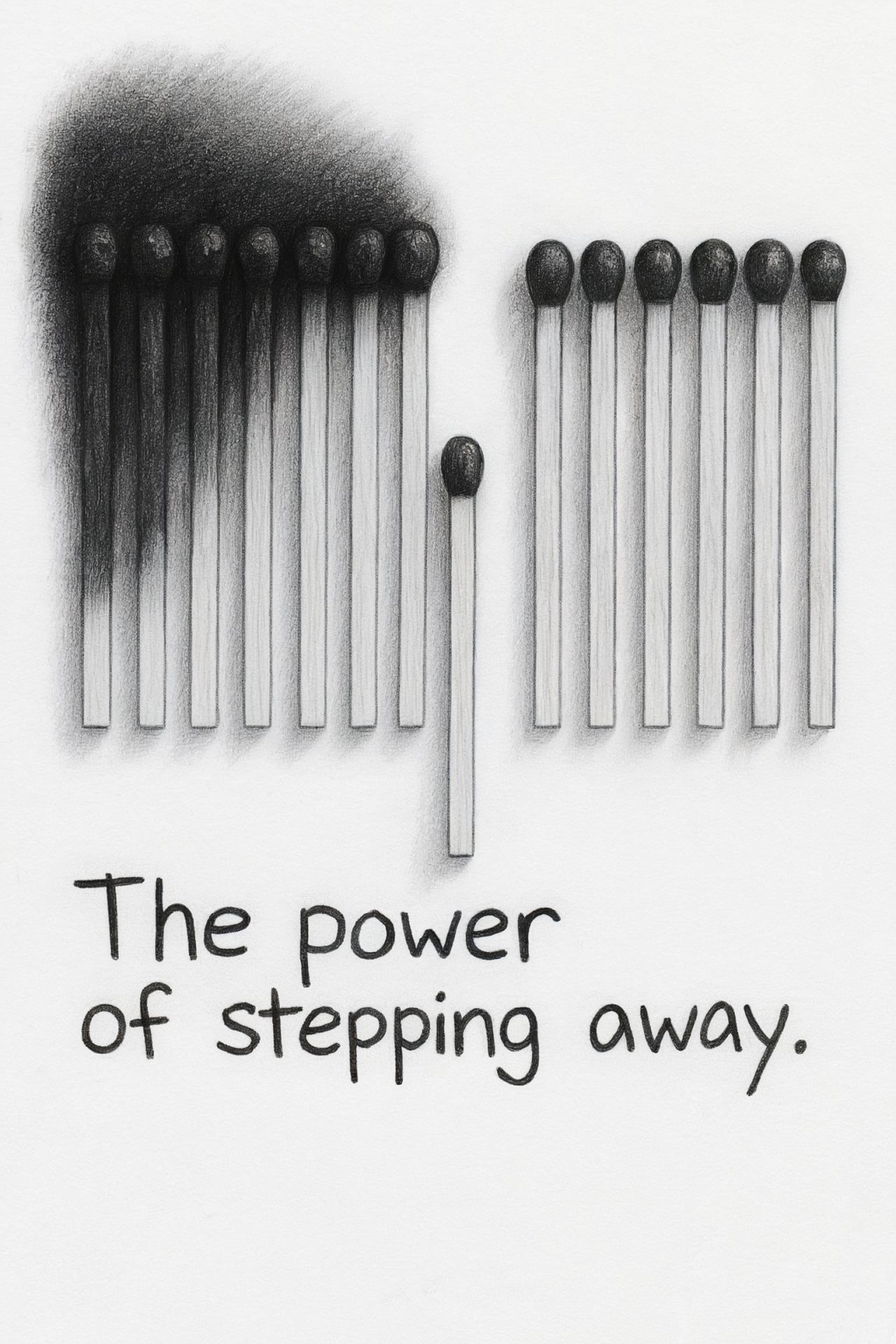
In a recent LinkedIn post, Justin Wright explores the critical skill of knowing when to depart from challenging situations, whether it be a job, a relationship, or even a social gathering. Wright emphasizes that recognizing the need to leave and acting upon it is not a sign of weakness, but rather an act of profound self-preservation and courage.
The post opens with a stark assertion about the importance of timing and departure: “It’s so important to know when to leave. The job. The party. The relationship.” Wright observes a common human tendency to overstay one’s welcome in environments that are no longer beneficial, often stemming from a misconception that leaving equates to failure.
Understanding the Dangers of Overstaying
Justin Wright recounts a personal experience of staying in a toxic job for an extended period, driven by the misguided belief that increased effort could salvage the situation. “I stayed at a toxic job for a year longer than I should have. Why? Because I thought I could fix it,” Wright shares. This prolonged period of strain, however, led to negative personal consequences, transforming Wright into someone who felt “anxious. Exhausted. Resentful.” This personal anecdote serves as a powerful illustration of how persistence in a detrimental environment can morph into self-sabotage.
The Skill of Discerning When to Depart
According to Wright, the ability to recognize when a situation has become untenable is a key indicator of emotional intelligence. He highlights several critical signals that suggest it’s time to move on:
- When your values are being compromised
- When your energy is being drained
- When your growth has stopped
- When respect has left the room
Wright asserts that the most resilient individuals possess this mastered skill. “The strongest people I know have mastered 1 skill: They know when to walk away,” he writes. This discernment requires a deep understanding of oneself and the environment, coupled with the bravery to take action based on that knowledge.
Prioritizing Self and Peace
A significant portion of Wright’s message is dedicated to empowering individuals to prioritize their well-being without seeking external validation. He advocates for the idea that one doesn’t need a justification or permission to choose themselves. “You don’t need a reason to choose yourself. You don’t need permission to protect your peace. You don’t need to stay anywhere that makes you small,” Wright emphasizes.
This principle extends to how one navigates the reactions of others. Wright suggests that the right people will understand and support such decisions, while those who attempt to induce guilt are signaling that the choice to leave is likely the correct one. In essence, Wright argues that emotional intelligence is not solely about understanding others, but fundamentally about possessing sufficient self-awareness to honor one’s own needs.
Ultimately, Justin Wright concludes his post by reinforcing the idea that sometimes the most impactful action one can take is simply to disengage from a negative situation. “Sometimes the most powerful thing you can do is simply leave. And create space for something better,” he states, encouraging readers to repost his message to inspire others in their network.
📝 About This Content
This article is based on insights shared by Justin Wright on LinkedIn.
📅 Originally posted on February 21, 2026 | View original post on LinkedIn →