
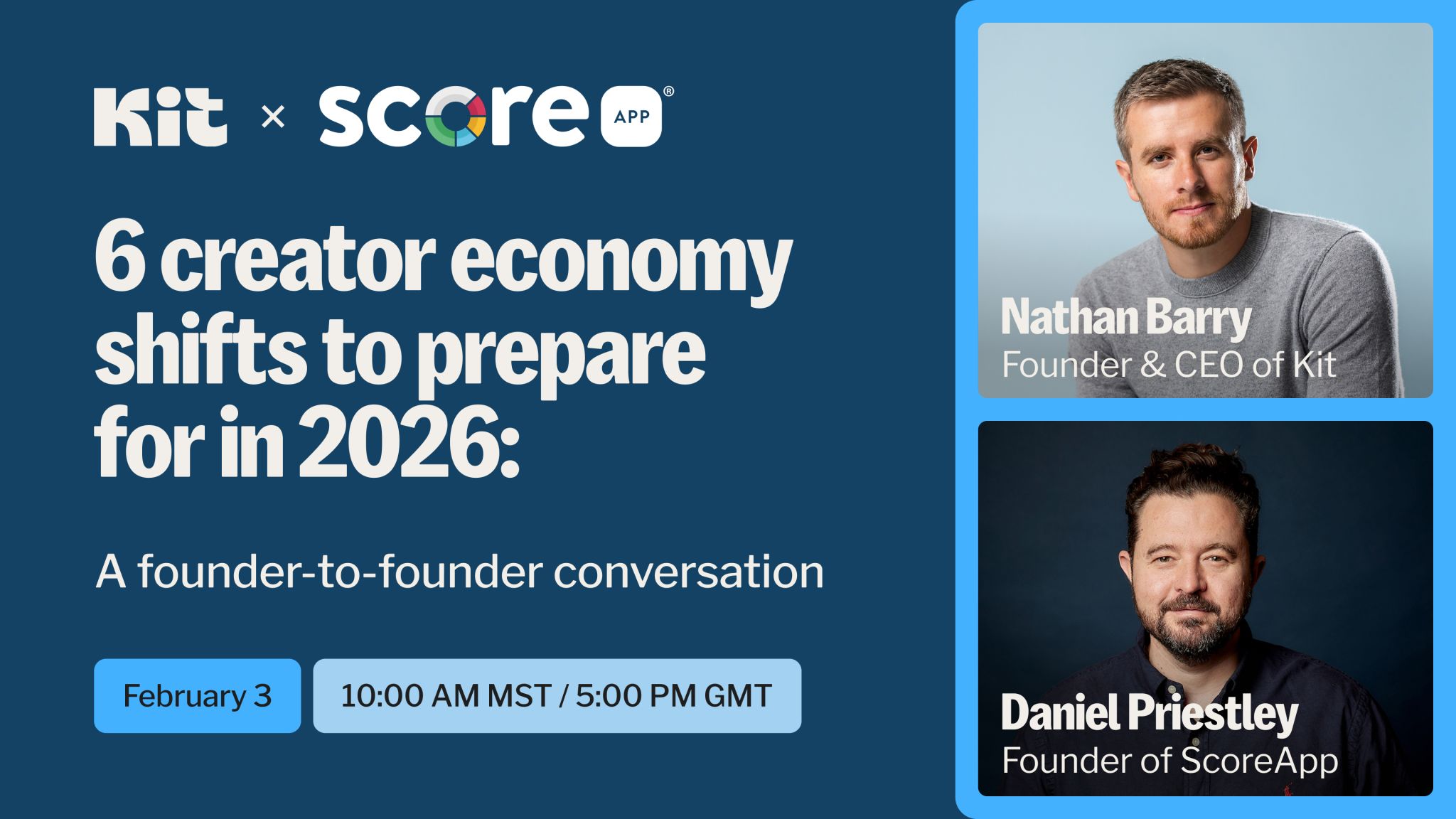
In a recent LinkedIn post, Daniel Priestley discusses the accelerating evolution of the creator economy and urges founders and small businesses to adapt to significant upcoming shifts. Priestley highlights a founder-to-founder conversation he participated in with Nathan Barry, aimed at dissecting the most impactful changes currently shaping the landscape for creators and businesses.
Priestley emphasizes the urgency and dynamic nature of these changes, stating:
“The creator economy is evolving faster than most founders realise.”
This framing immediately sets the stage for an analysis of how businesses need to stay ahead of the curve. The discussion, as described by Priestley, is not a typical webinar but a direct exchange of observations from founders working with thousands of creators and businesses.
Key Shifts in the Creator Economy
Priestley, through his coverage of the conversation, points to several critical areas of transformation. One of the primary themes is the integration of advanced technologies into content creation and marketing strategies. As Daniel Priestley notes, the discussion delves into:
- AI-powered content workflows
- The diminishing effectiveness of broad, untargeted marketing approaches
- The increasing importance of data for creators
- Essential adaptations for small businesses before 2026
According to Daniel Priestley, the shift away from what he terms “spray and pray” marketing signifies a move towards more sophisticated and data-driven engagement strategies. This suggests that businesses relying on mass outreach without personalization or a deep understanding of their audience will likely fall behind.
The Rise of Data-Driven Creators
A significant point raised by Priestley concerns the future success of creators who leverage real data. He highlights this by mentioning:
“Why creators with real data will win”
This insight underscores a fundamental change in how value is perceived and delivered in the creator economy. It implies that creators who can demonstrate tangible results and audience insights, backed by data, will possess a distinct advantage over those who do not. Daniel Priestley’s reporting suggests this is a crucial differentiator for future success.
Adapting for the Future
Priestley concludes by framing the conversation as essential for coaches, creators, consultants, and founders seeking a clearer perspective on what lies ahead. The urgency is palpable, especially concerning the adaptation needed by small businesses.
“What small businesses must adapt before 2026 hits”
This statement from Priestley’s post serves as a call to action, urging business leaders to proactively assess their strategies and operational models. The implication is that the next couple of years will be critical for integrating new approaches and technologies to remain competitive. Daniel Priestley’s coverage of this discussion aims to equip business leaders with the foresight needed to navigate these evolving dynamics effectively.
📝 About This Content
This article is based on insights shared by Daniel Priestley on LinkedIn.
📅 Originally posted on January 30, 2026 | View original post on LinkedIn →