
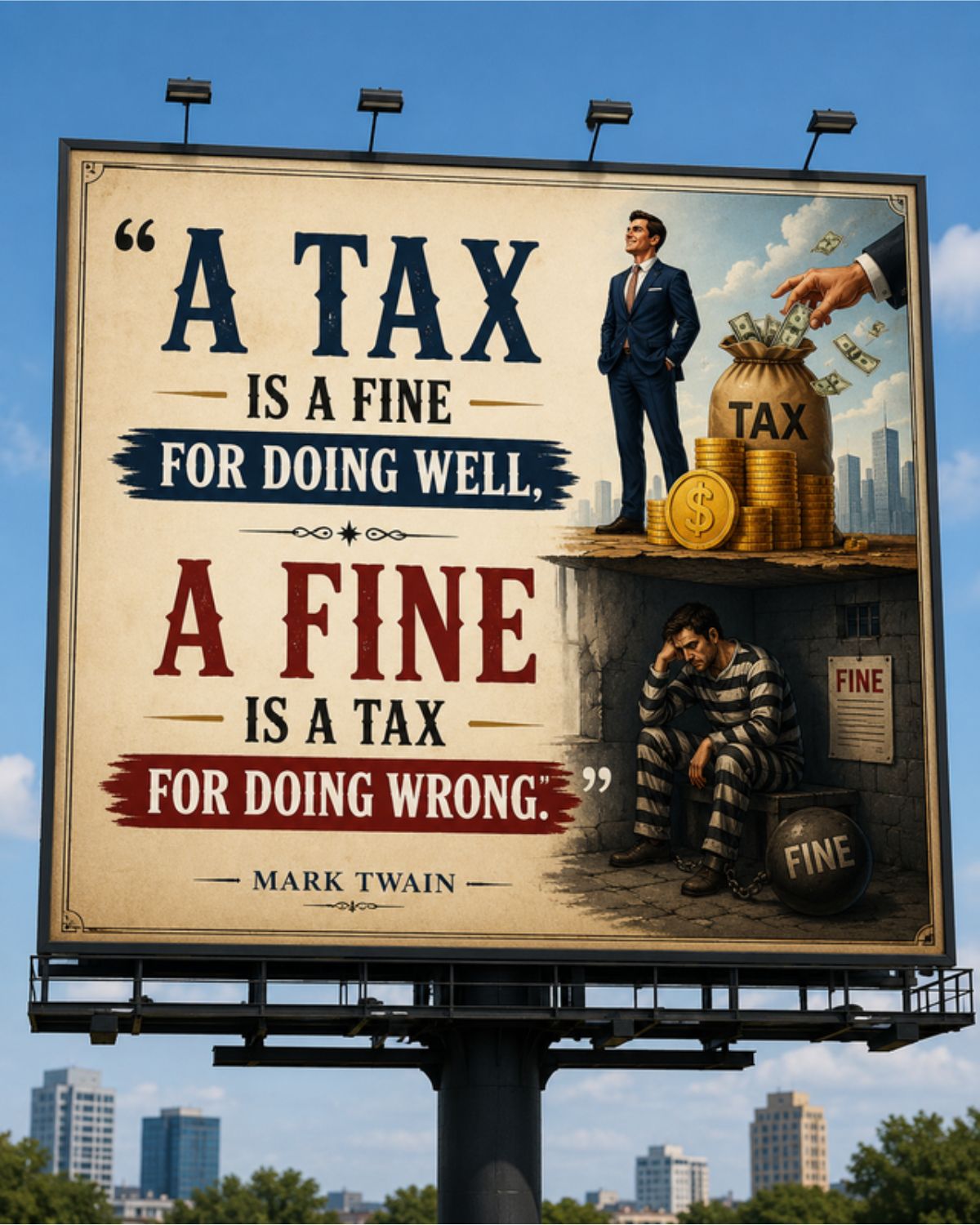
In a recent LinkedIn post, Marc Henn clarifies the fundamental differences between taxes and fines, highlighting how understanding this distinction can lead to better financial and personal decision-making. Henn emphasizes that while both involve monetary outflows, their underlying purposes and triggers are vastly dissimilar.
Marc Henn points out the core divergence: taxes are intrinsically linked to economic activity, whereas fines are a consequence of rule violations. As Henn articulates in his post:
Taxes are tied to economic activity
Fines are tied to rule violations
Both take money, but the purpose is different
Understanding the difference changes perspective
Taxes: A Consequence of Success and Participation
Henn explains that taxes are generally a byproduct of positive economic engagement. In his view, the more an individual or entity succeeds economically, the more they contribute through taxes. This perspective reframes taxes not as a penalty, but as a reflection of participation and achievement within an economic system.
According to Marc Henn, this concept can be understood through several key points:
- Taxes Follow Success: Higher income, greater earnings, and increased wealth often correlate with higher tax obligations.
- One Rewards Activity: Henn notes that taxes typically arise from earning income, making investments, or producing value. Economic participation directly creates tax liabilities.
Marc Henn argues that this connection between success and taxation underscores the idea that taxes are a natural consequence of operating and thriving within an established economic framework.
Fines: Deterrents for Rule Violations
In contrast, Henn positions fines as mechanisms designed to discourage undesirable behavior and enforce compliance with established rules and laws. They are presented not as a source of revenue generation, but as a tool for behavioral correction.
Henn elaborates on this by stating:
Fines Follow Mistakes
Penalties exist to discourage harmful behavior
Actions have consequences when rules are broken
Marc Henn further details this by explaining:
- Fines Follow Mistakes: Penalties are levied to dissuade actions deemed harmful or non-compliant.
- One Corrects Behavior: The primary purpose of fines is deterrence, encouraging individuals and businesses to adhere to laws and standards.
In Henn’s perspective, fines are directly avoidable through adherence to regulations and making sound decisions, differentiating them sharply from taxes which are an inherent part of economic participation.
The Importance of Perspective
Marc Henn concludes by emphasizing the significance of this distinction for personal and financial planning. Understanding that taxes are an expected part of economic success, while fines are avoidable consequences of poor choices, can empower individuals to make more informed decisions.
As Henn puts it:
Taxes are part of operating within a system
Fines are usually avoidable through better decisions
Ultimately, Marc Henn suggests that grasping the fundamental differences between taxes and fines provides a clearer perspective, enabling better financial strategies and improved personal conduct. His insights aim to help individuals navigate their financial lives more effectively, aligning with his broader mission to assist followers in retiring early, supercharging cash flow, and minimizing taxes.
📝 About This Content
This article is based on insights shared by Marc Henn on LinkedIn.
📅 Originally posted on July 4, 2026 | View original post on LinkedIn →