
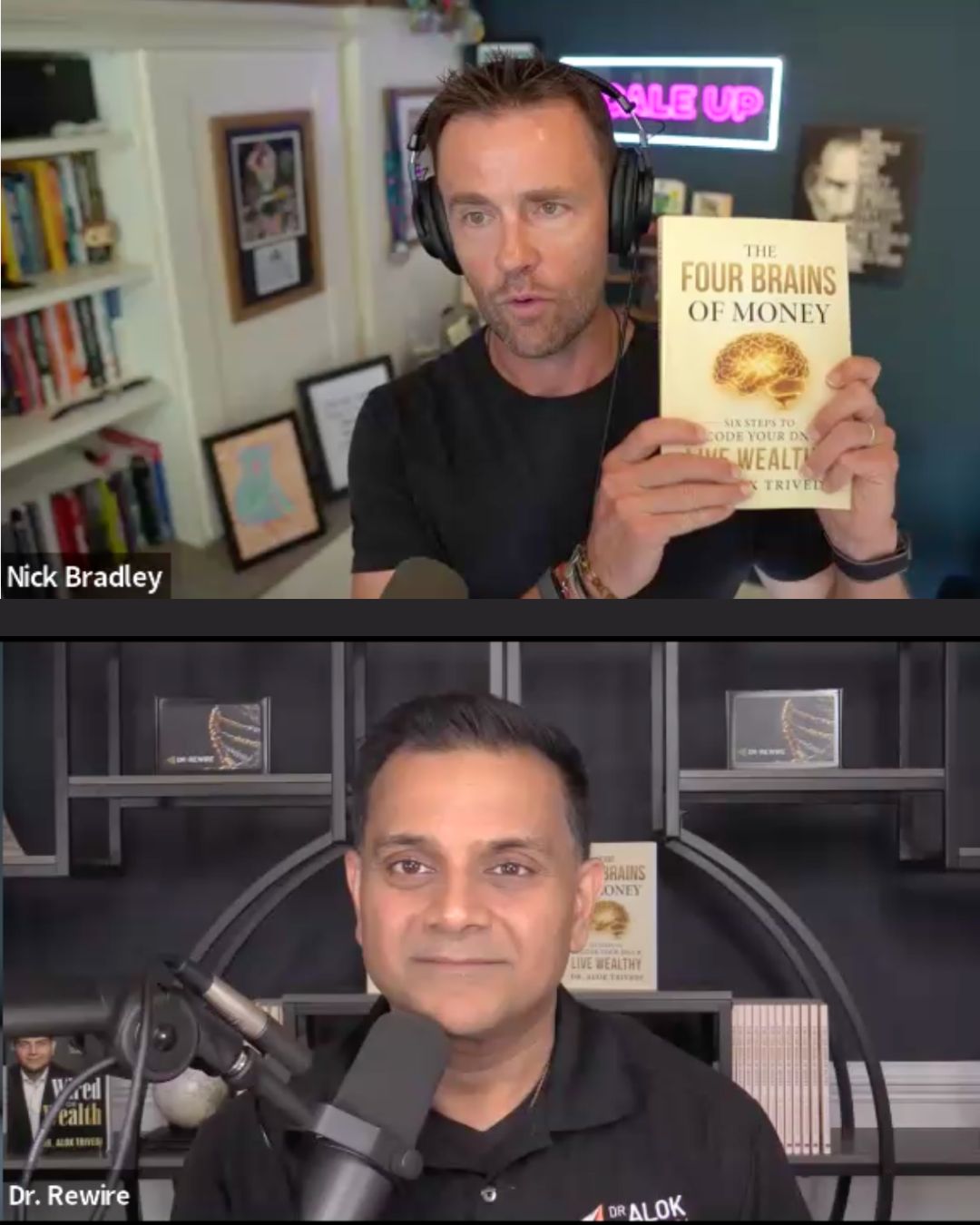
In a recent LinkedIn post, Nick Bradley delves into a provocative theory about why some founders falter just as their ventures achieve success, suggesting the cause might be rooted in biology rather than a lack of discipline. Bradley explores the idea that the intense pursuit of an exit can be driven by a dopamine-driven chase, and the subsequent letdown upon closing a deal can lead to unexpected emotional lows.
Bradley’s discussion, which stems from an episode of his podcast “Scale Up” featuring Dr. Alok Trivedi (also known as Dr. Rewire), challenges conventional wisdom on founder psychology. He highlights a critical point that resonated deeply with him:
The chase of the exit is dopamine. When the deal finally closes, that dopamine disappears, and for a lot of founders, what rushes in to fill the gap is depression.
This perspective shifts the focus from mindset and willpower to the underlying biological mechanisms that influence entrepreneurial behavior. As Bradley explains, the phenomenon often labeled as “self-sabotage” might be a misinterpretation of a more complex biological response.
Rethinking Self-Sabotage Through a Biological Lens
Bradley, drawing from his conversation with Dr. Trivedi, proposes that the tendency for successful individuals to undermine their achievements is not necessarily intentional sabotage. Instead, he suggests it’s the body’s reaction to managing extreme emotional highs.
That thing we all call self-sabotage- the successful person who blows it up right as it’s working – isn’t sabotage at all. It’s the nervous system trying to survive a dopamine spike it can’t hold onto.
This reframing suggests that entrepreneurs might be wired to pursue high-reward, high-risk scenarios, a trait that fuels their success but also makes them vulnerable to the emotional fallout when the intense chase ends.
Understanding the Four Money Profiles
A key takeaway from the discussion, as highlighted by Bradley, is the concept of “money profiles” intrinsically linked to our biology. He identifies four such profiles, noting that many entrepreneurs fall into the “chaser” category.
The ‘Chaser’ Profile and its Implications
According to Nick Bradley, individuals who identify as “chasers” are exceptionally skilled at building and scaling businesses. However, this profile also carries an inherent risk of emotional instability if not properly managed.
There are four “money profiles” wired into us, and most entrepreneurs are what Alok calls chasers. I’m one of them. Brilliant at building, prone to crashing if you don’t learn to manage it.
Bradley emphasizes that the entrepreneurial drive and addictive tendencies share a common neurological basis. This underscores the importance of self-awareness and governance over these powerful internal forces.
The Interplay Between Success and Well-being
Beyond the mechanics of dopamine and money profiles, Bradley also touched upon the critical importance of holistic well-being. He argues that achieving financial success at the expense of personal health is not a true victory.
Building a business worth a fortune while your health falls apart is not a win. We talked honestly about that too.
This sentiment highlights a broader understanding of success that encompasses not just financial or professional achievements but also personal health and emotional stability. Bradley shared personal anecdotes, adding a layer of vulnerability and relatability to the discussion, particularly concerning his own relationship with money and the origins of his entrepreneurial drive.
For founders navigating the intense journey towards an exit or those who have experienced post-exit disillusionment, Bradley’s insights offer a compelling framework for understanding these often-confusing emotional landscapes. The conversation suggests that a deeper understanding of our biological wiring can provide clarity and strategies for more sustainable success.
📝 About This Content
This article is based on insights shared by Nick Bradley on LinkedIn.
📅 Originally posted on July 23, 2026 | View original post on LinkedIn →