
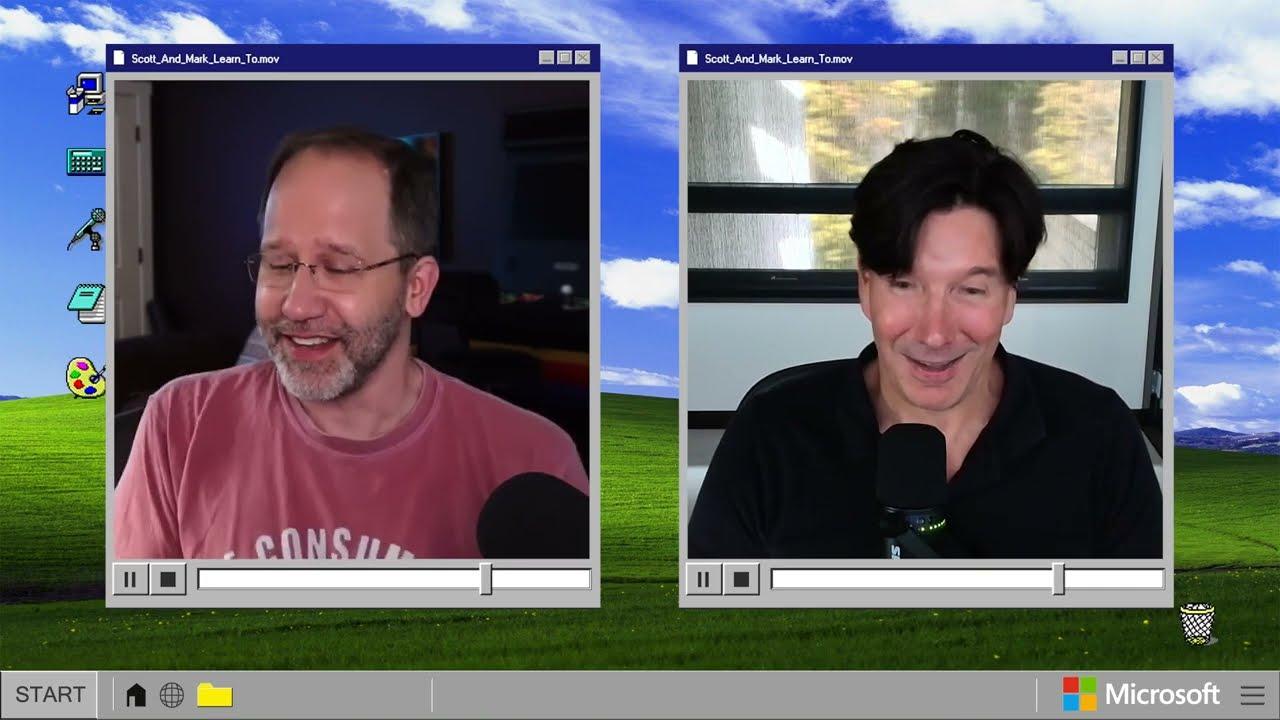
In a recent LinkedIn post, Mark Russinovich delves into the often intangible quality of “taste” in software engineering, questioning what it truly means for an application to “feel right” to users. Alongside Scott Hanselman in their “Scott & Mark Learn To…” series, Russinovich examines the nuances of user experience, the impact of development decisions on established user habits, and the evolving role of formal education in the age of AI.
Russinovich highlights the importance of intuitive design, drawing on an experiment involving early-career developers tasked with building a feature without a visual specification. This “Preceptor” experiment, as detailed in the post, served as a crucial lesson in the power of UX intuition, even among those with less experience. The discussion underscores that effective software design goes beyond mere functionality to encompass a deeply felt user experience.
“In the latest episode of Scott & Mark Learn To…, Scott Hanselman and I dive into why some apps just feel right, while others end up clunky and painful to use.”
The conversation, as described by Russinovich, also tackles the delicate balance between hyper-focus on individual features and maintaining the “big picture” of user interaction. He points to instances where a seemingly minor update to a single feature can disrupt decades of user familiarity and ingrained “muscle memory,” particularly within established operating systems like Windows. This suggests that even experienced developers must tread carefully to avoid unintended consequences that erode user trust and efficiency.
The Role of Experience and AI in Skill Development
A significant portion of Russinovich’s post addresses the ongoing debate about how developers acquire the deep-seated intuition and understanding that characterizes “taste” in software engineering. He questions whether accelerated learning through methodical exposure and AI tools can truly substitute for the years of experience, often referred to metaphorically as “sleeps,” that are traditionally required to cultivate a profound systems-thinking ability.
“Is a degree still worth it? Our take on the value of a formal CS degree or PhD in a world dominated by AI-assisted development.”
This leads directly into the question of the enduring value of formal computer science education. In an era where AI is increasingly capable of assisting with or even generating code, Russinovich and Hanselman ponder whether a traditional degree or advanced academic pursuit still holds the same weight. They invite feedback from their audience on this critical question, acknowledging the paradigm shift occurring in software development.
Intuition vs. Algorithmic Assistance
Russinovich’s insights suggest a tension between the intuitive, almost artistic, “taste” that elevates software from functional to exceptional, and the efficiency offered by AI-driven development tools. While AI can accelerate development and assist in complex problem-solving, the ability to anticipate user needs, design seamless interactions, and maintain long-term usability—hallmarks of good “taste”—may still require a level of human judgment and experience that is difficult to replicate algorithmically.
“Hyper-focus vs. The Big Picture: How a single feature update accidentally disrupted 30 years of Windows muscle memory.”
The exploration of these themes indicates a forward-looking perspective from Russinovich and Hanselman, not only analyzing current trends but also seeking to understand the future trajectory of software engineering. Their willingness to engage with complex questions about intuition, experience, and the impact of new technologies like AI demonstrates a commitment to fostering a deeper understanding of the craft.
📝 About This Content
This article is based on insights shared by Mark Russinovich on LinkedIn.
📅 Originally posted on May 21, 2026 | View original post on LinkedIn →