
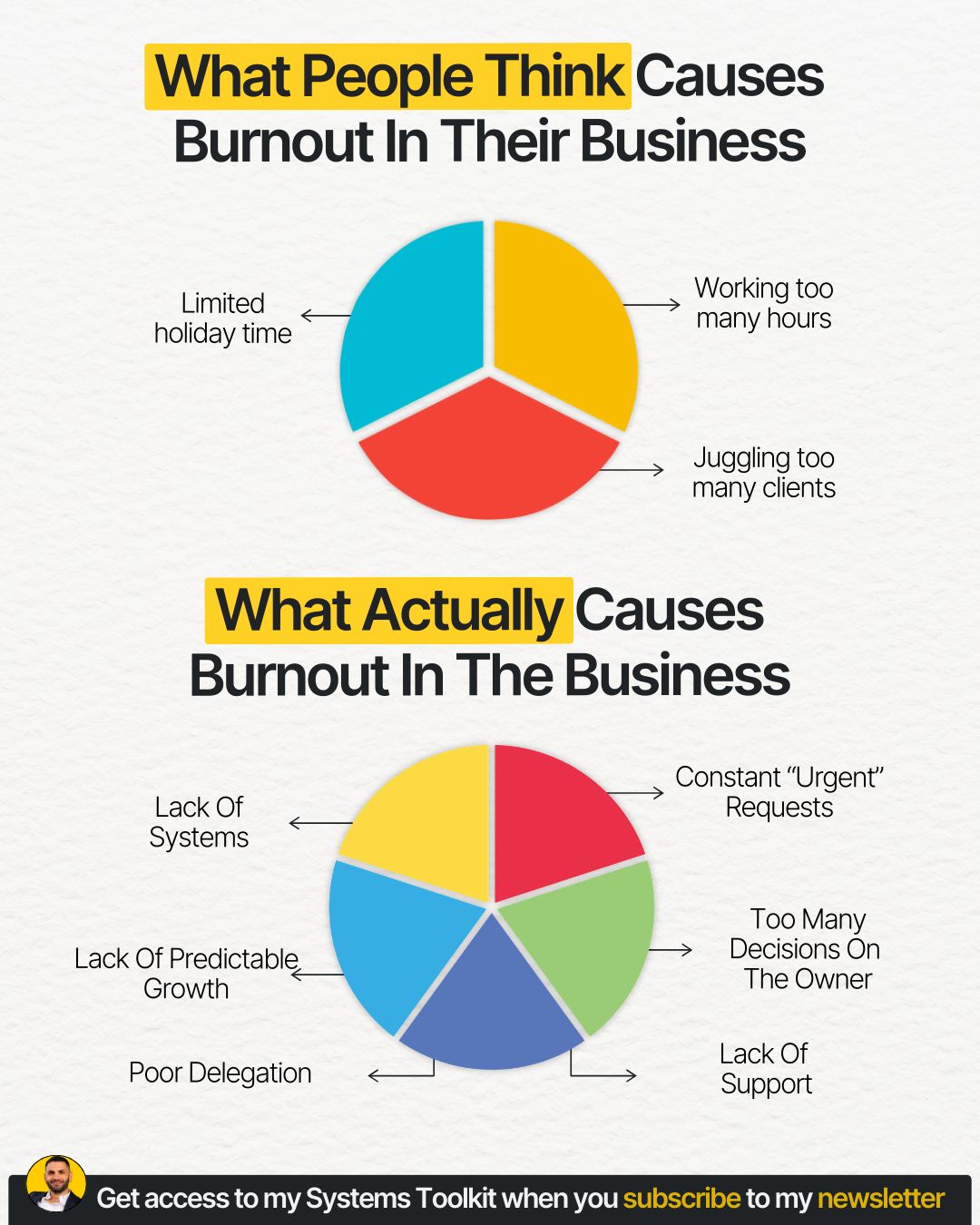
In a recent LinkedIn post, John Castro delves into the common pitfall faced by many business founders: the “hero” mindset that can lead to burnout, even during periods of significant growth. Castro, a former CEO, shares his firsthand experience of how being the central problem-solver, while crucial in the early stages, can become a bottleneck to sustainable scaling and personal freedom.
Castro highlights the paradox of growth, stating:
“Growth and freedom aren’t the same thing.”
He explains that the very hustle and dedication that propel a business to substantial revenue milestones, such as the £500k mark he mentions, can also ensnare the founder. This personal involvement, while initially effective, creates an unsustainable dependency that hinders true scalability and can lead to exhaustion.
The Founder’s Dilemma: Essential vs. Trapped
Castro draws a parallel between his own journey as a CEO and the experiences of many entrepreneurs. He recounts a period of rapid growth in his company, moving from £2.6 million to £4.7 million in under 18 months, and then achieving £17.9 million in sales over four years. Despite these impressive financial gains, Castro observed that his own indispensability to the business increased proportionally.
“Every hire created more decisions. Every new client created more pressure. And I was still the one holding it all together,” Castro writes, illustrating the mounting burden. This scenario, he argues, is a direct consequence of the founder remaining the primary hero figure within the organization.
Moving Beyond Essential: Systems for Sustainable Scaling
The core of Castro’s message revolves around actionable strategies to dismantle this “hero” dependency and foster a scalable, less burnout-prone business environment. He outlines key elements that contribute to achieving growth with freedom:
- Clear systems that delegate decision-making away from the founder.
- Efficient communication protocols designed to minimize unnecessary meetings.
- Empowering team members to proactively solve problems without constant oversight.
- Establishing decision-making frameworks that enable the team to think and act like the founder.
According to Castro, implementing such structural changes transforms the founder’s role from being “essential” to being a strategic leader, allowing the team to step up and take genuine ownership. He points to a significant outcome of this shift:
“And one of the founders took nearly two years off while the business kept growing.”
This anecdote underscores Castro’s central thesis: while the hero mindset is instrumental in building a business, continuing to operate solely as the hero prevents the founder from achieving true freedom and can ultimately lead to burnout. Castro encourages business owners to reflect on what aspects of their business are currently causing them the most strain.
📝 About This Content
This article is based on insights shared by John Castro on LinkedIn.
📅 Originally posted on February 19, 2026 | View original post on LinkedIn →