
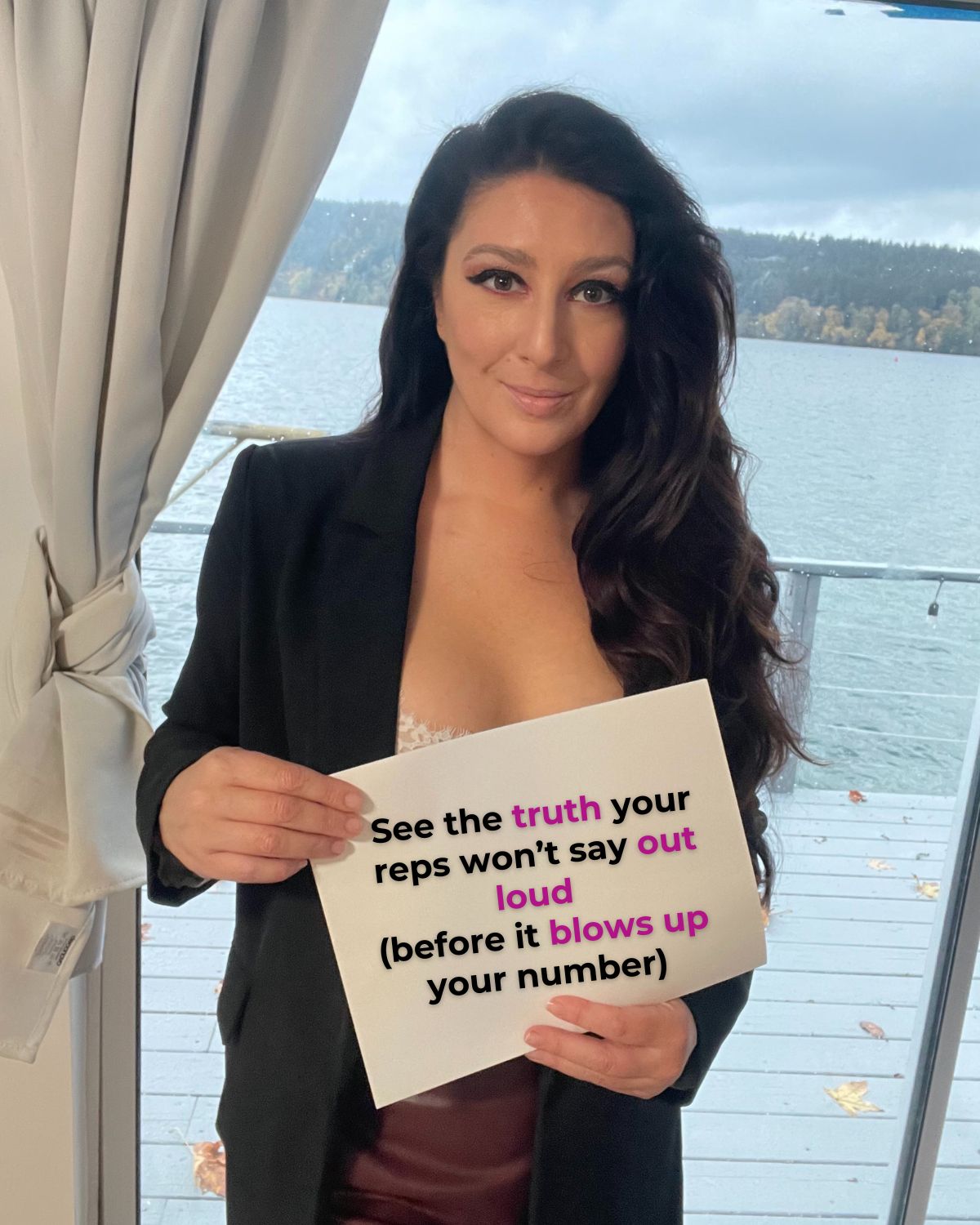
In a recent LinkedIn post, 🧠 Shannon Smith, J.D., M.S. 🚀 discusses a critical, often overlooked factor impacting sales forecasts: the emotional state of sales representatives and how it influences reported deal progress. Smith, J.D., M.S. 🚀 argues that traditional CRM systems and reporting mechanisms fail to capture this vital ’emotional data,’ leading to inaccurate predictions and missed opportunities.
According to 🧠 Shannon Smith, J.D., M.S. 🚀, the issue stems from a fundamental human tendency to avoid social threat. Sales reps, rather than intentionally misleading leadership, are often motivated by a desire to protect themselves from perceived negative judgment when a deal’s future is uncertain. This leads to a subtle but pervasive filtering of information.
The Perception Management of Sales Pipelines
Smith, J.D., M.S. 🚀 highlights that what leaders see on their dashboards is not raw deal status, but a curated version influenced by this human element. The act of updating a pipeline goes beyond mere data entry; it involves managing the perception of the deal’s health.
“Reps don’t just update pipelines. They manage perception.”
This perception management, as 🧠 Shannon Smith, J.D., M.S. 🚀 explains, results in an upward rounding of optimism. Phrases like ‘still warm,’ ‘positive conversation,’ or ‘decision soon’ become a form of ‘confidence language’ serving as ‘armor’ for the sales representative. This softened communication, before it even reaches leadership, skews the data from which forecasts are built.
The Blind Spot Created by Softened Signals
The consequence of this filtered information, 🧠 Shannon Smith, J.D., M.S. 🚀 points out, is a significant blind spot in most sales organizations. Doubt and risk signals are buried early in the sales cycle, and by the time the negative outcomes – deals drifting, buyers going quiet, energy fading – become apparent, it is often too late for leaders to effectively react.
“Now you’re forecasting from signals that were softened before you ever saw them.”
This dynamic creates a situation where leaders believe they understand their deals because they see reported progress, but they are only seeing a version of reality that has been pre-processed through the lens of avoiding discomfort. As 🧠 Shannon Smith, J.D., M.S. 🚀 puts it, ‘The real problem isn’t the deal. It’s the emotional data no CRM captures.’
Addressing the Emotional Data Gap
Smith, J.D., M.S. 🚀 introduces SalesSage as a solution designed to bridge this gap. The platform aims to surface the insights that traditional pipelines miss by detecting hesitation and low conviction before deals collapse or momentum is lost.
“SalesSage surfaces what the pipeline misses. It detects hesitation before momentum collapses. It reveals low conviction before the deal disappears.”
The approach, as described by 🧠 Shannon Smith, J.D., M.S. 🚀, involves a brief ‘pulse’ that can expose underlying truths without resorting to high-pressure tactics or interrogation of sales reps. This method seeks to provide leaders with a more accurate reflection of reality, rather than just the prevailing optimism.
Ultimately, 🧠 Shannon Smith, J.D., M.S. 🚀 advocates for a forecasting process grounded in more complete data, including the often-unspoken emotional currents within the sales team. By acknowledging and addressing the human element in reporting, organizations can move towards more reliable and actionable sales forecasts.
📝 About This Content
This article is based on insights shared by 🧠 Shannon Smith, J.D., M.S. 🚀 on LinkedIn.
📅 Originally posted on March 15, 2026 | View original post on LinkedIn →