
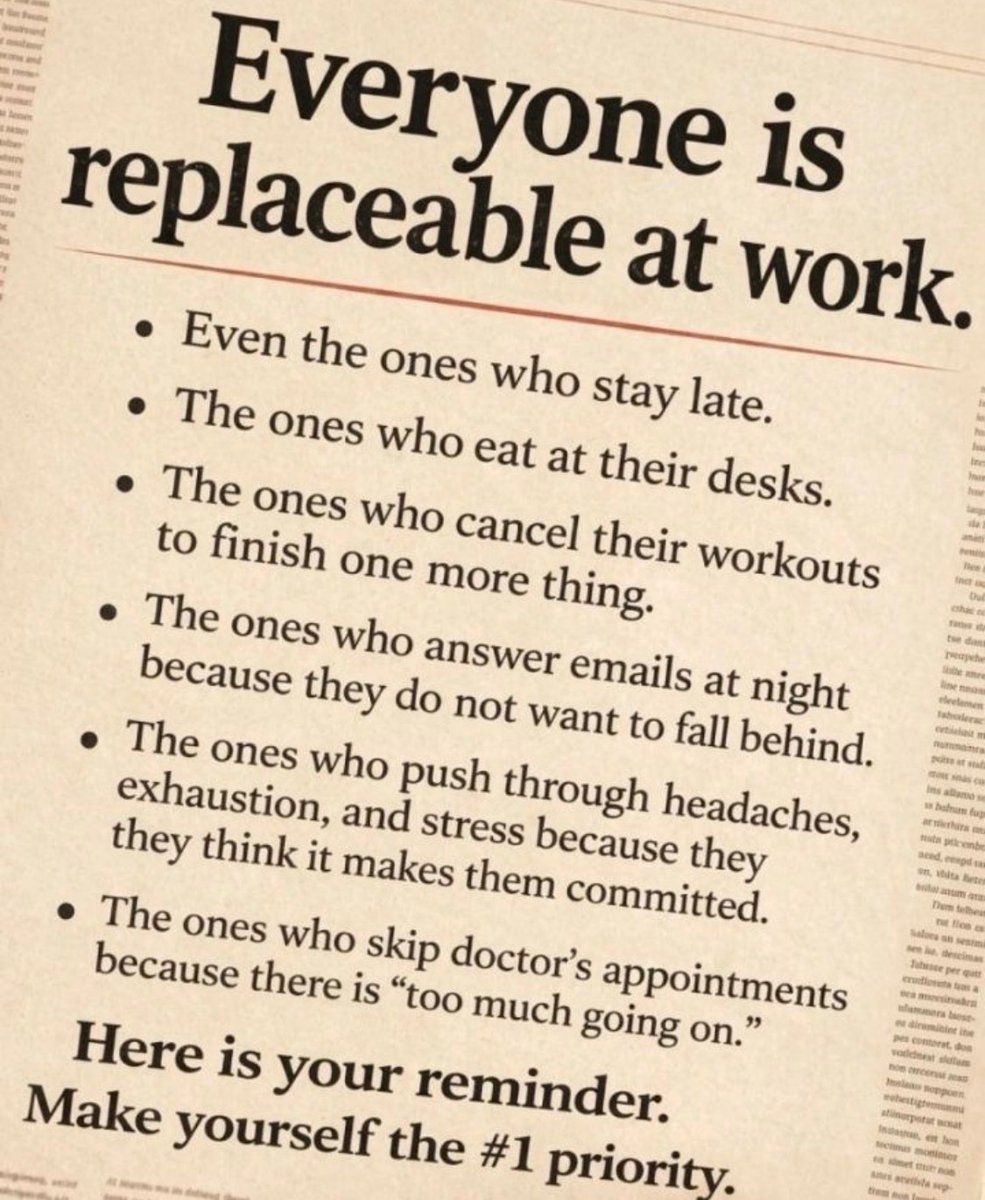
In a recent LinkedIn post, Ehsan Ali discusses a common career trap that ensnares many professionals, particularly in the IT sector: the belief that being indispensable through sheer hard work and constant availability guarantees career advancement. Ali argues that this approach, often learned from previous generations, can paradoxically lead to stagnation rather than promotion.
Challenging the ‘Work Harder’ Ethos
Ali begins by directly confronting the deeply ingrained notion that working late, fixing others’ emergencies, and consistently saying ‘yes’ equates to professional commitment and will be rewarded. He highlights how many individuals, now in senior positions like Senior Manager, Principal Engineer, or Solution Architect, find themselves still answering late-night messages and sacrificing personal time, believing this is the path to success.
“Because somewhere along the way, you were taught that this is what commitment looks like.”
However, Ehsan Ali points out that for many, this dedication doesn’t translate into the desired outcomes—the bigger role, the significant raise, or greater recognition. Instead, it often results in the same salary band, more responsibilities, and an increased dependence on them by the organization, without a corresponding leap in career progression.
The Shift from Reliability to Strategic Value
The core of Ali’s argument centers on the distinction between being reliable and being strategically valuable. While reliability is a positive trait, he contends that being reliable without effective positioning can make an employee “easy to use and hard to promote.” This is particularly true in higher-paying markets, where compensation is tied not just to workload, but to the perceived ability to solve critical business problems.
Redefining Senior-Level Compensation
According to Ehsan Ali, the $300K+ market, for instance, doesn’t reward those who simply absorb the most work. Instead, it values individuals who are perceived as the key to unlocking solutions for the most significant business challenges.
“At senior level, the game changes. You are not paid more because you absorb more. You are paid more when people see you as the answer to a bigger business problems.”
He elaborates that the focus at senior levels should shift from being a ‘safety net’—someone who catches everything that falls—to becoming the ‘obvious choice’ for tackling high-impact issues. This involves demonstrating strategic thinking, problem-solving capabilities relevant to major business objectives, and ensuring that one’s contributions are visible and understood in terms of their impact on the company’s success.
Moving Beyond Indispensability
Ali encourages professionals to re-evaluate their approach to work and visibility. The goal, as he outlines, is to transition from being the person who is always available and handling everything to being recognized as the strategic thinker and problem-solver who addresses the most pressing business needs. This strategic positioning, rather than mere hours worked or tasks completed, is what truly drives advancement and higher compensation in senior roles.
“The $300K+ market does not reward the person who carries everything. It rewards the person who is seen as solving the problems that matter most.”
Ehsan Ali’s insights serve as a critical reminder for ambitious professionals that while hard work is foundational, strategic positioning and demonstrating value against key business problems are paramount for climbing the career ladder, especially in senior IT positions.
📝 About This Content
This article is based on insights shared by Ehsan Ali on LinkedIn.
📅 Originally posted on July 3, 2026 | View original post on LinkedIn →