
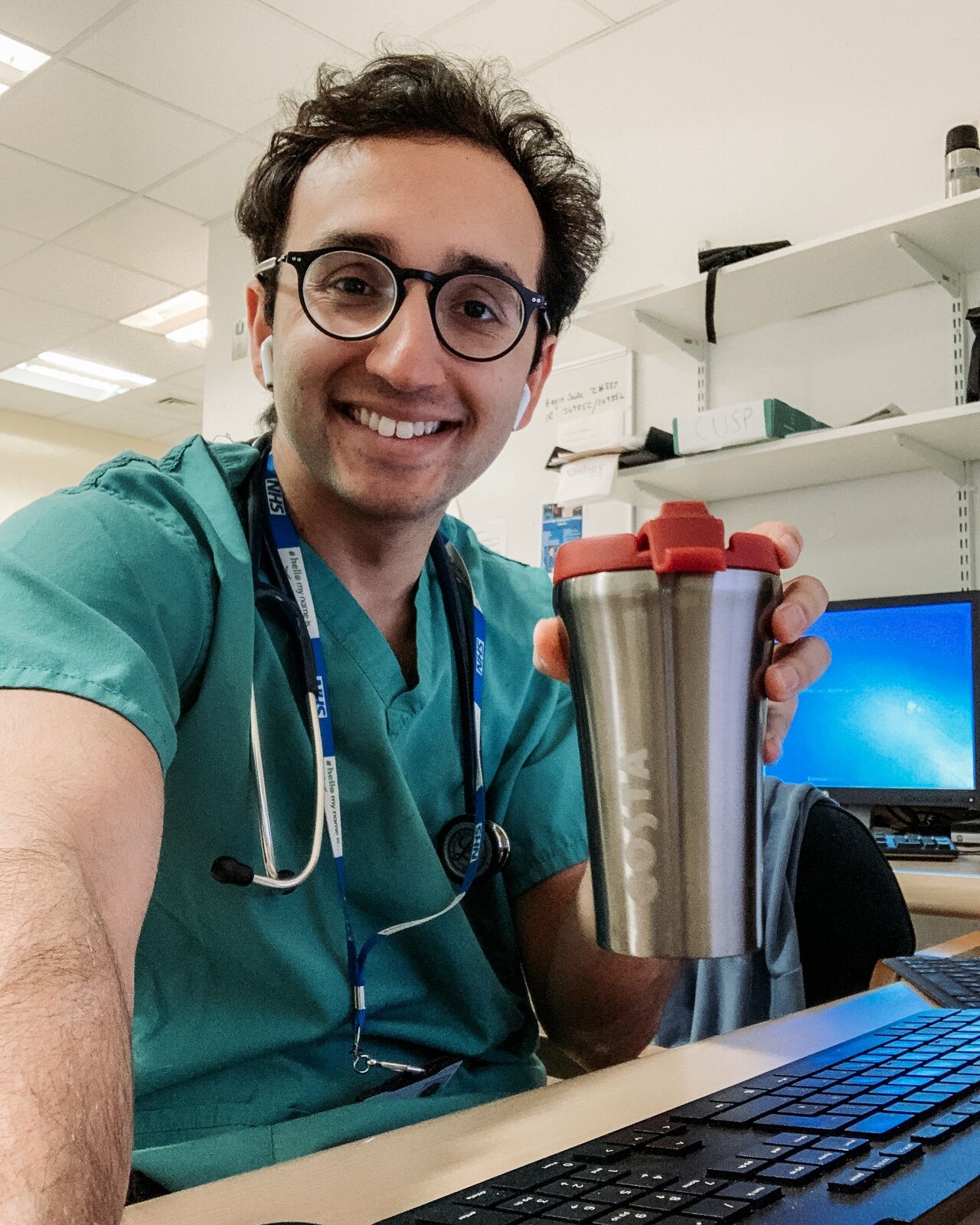
In a recent LinkedIn post, physician and entrepreneur Ali Abdaal explores the profound impact of small acts of service on personal happiness and workplace dynamics. Abdaal shares a personal anecdote from his time as a doctor, illustrating how a simple gesture—making tea for his colleagues—led to unexpected positive outcomes.
Abdaal recounts how he began taking tea orders for his colleagues on the hospital ward. This seemingly minor act, which cost him virtually no extra time as he was already waiting for his own tea, began to shift the atmosphere.
“The ward felt different. People seemed happier as a result. And weirdly, I felt way more energised about my work.”
He admits he didn’t fully grasp the underlying reasons for this effect at the time. However, a conversation with neuroscientist Tj Power provided a scientific explanation.
The Science Behind Serving Others
Abdaal explains that Power introduced him to the concept of oxytocin, often referred to as the “love chemical.” This hormone is released when individuals contribute to another person’s happiness. Crucially, Abdaal highlights that the benefits are reciprocal.
“What’s fascinating about this is when you help someone else feel good, oxytocin doesn’t just rise in them. It rises in you too.”
This neurochemical response, according to Abdaal’s interpretation of Power’s insights, suggests a fundamental biological drive for prosocial behavior. As Abdaal notes, “Basically the more you serve others, the happier you feel as a result.” This principle implies that actively seeking opportunities to help others can be a direct pathway to increased personal well-being.
Practical Applications of Prosocial Behavior
Abdaal emphasizes that these acts of service do not need to be grand gestures. He suggests that everyday actions can trigger this positive feedback loop. The key, as he outlines, is the intention and the act of contributing to someone else’s well-being, however small.
He provides several accessible examples of how individuals can incorporate this into their daily lives:
- Buying a stranger a coffee.
- Sending a thoughtful message.
- Helping a colleague with a small task.
Abdaal concludes by reiterating the powerful connection between altruism and happiness. “Our brains are literally wired to feel good when we make other people’s lives better,” he states, underscoring the innate human capacity for finding joy through service.
The post also includes an invitation to a free virtual summit featuring Tj Power and other speakers, aimed at helping attendees optimize for productivity and happiness in the coming year.
📝 About This Content
This article is based on insights shared by Ali Abdaal on LinkedIn.
📅 Originally posted on December 12, 2025 | View original post on LinkedIn →