
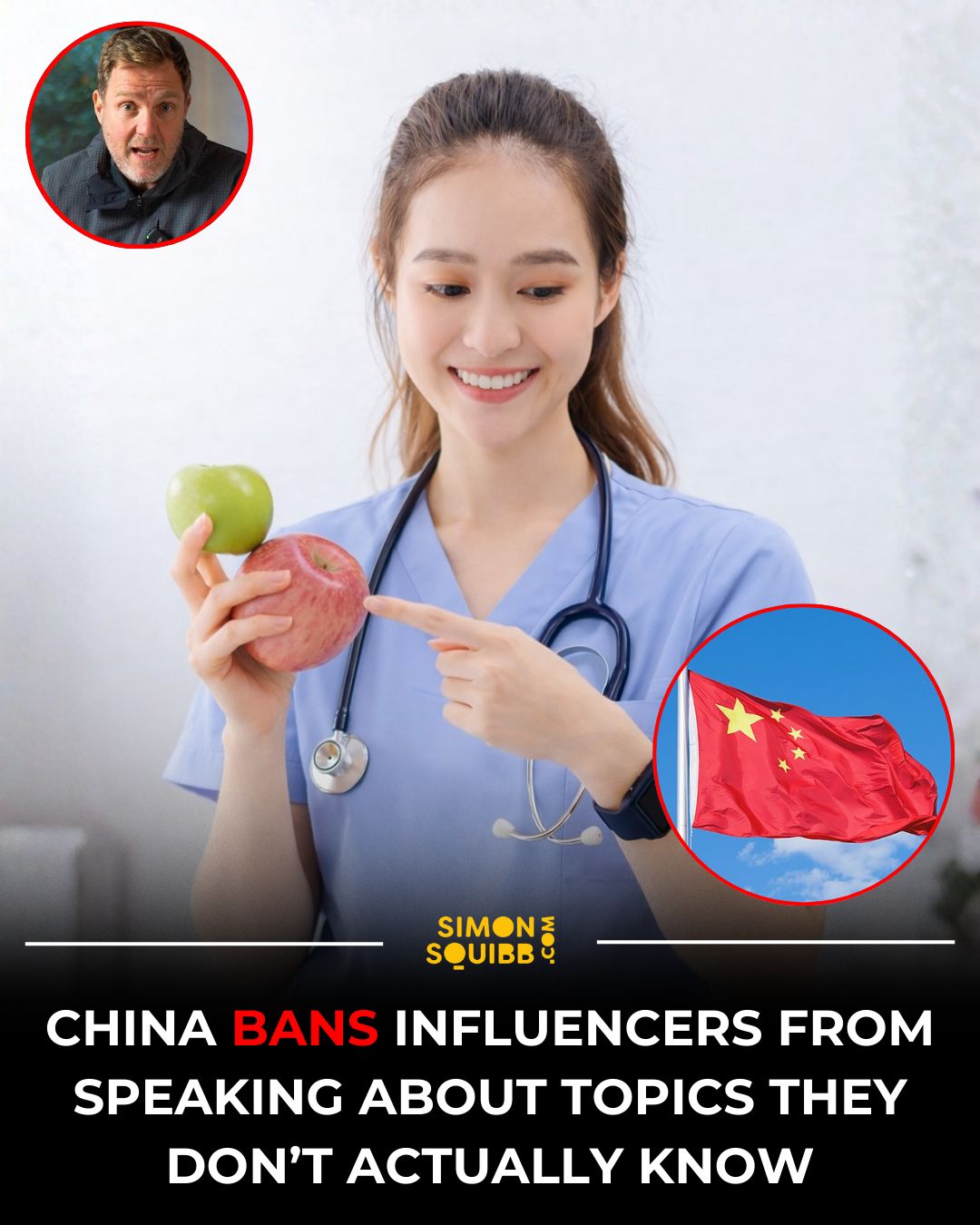
In a recent LinkedIn post, Simon Squibb delves into the proliferation of inauthentic advice and the mechanisms by which genuine expertise prevails in the business world. Squibb, who stated he initially began creating content to combat the rise of “fake gurus,” expresses a nuanced view on regulation versus market forces in discerning trustworthy advisors.
The Dangers of Inexperience in Business Content
Squibb highlights the damage that can be caused by individuals with no practical experience dispensing business advice. He points out that while his initial motivation was to counter this trend, he has come to believe that external regulation may not be the most effective solution for most sectors. According to Squibb, the market itself often serves as a powerful arbiter of truth over time.
“People with no experience giving business advice were doing real damage to people’s lives.”
He elaborates on this point, suggesting that the longevity of an advisor’s influence is a key indicator of their authenticity. Squibb argues that those who are genuinely skilled will retain their audience, while those who are merely pretending will experience a rapid but unsustainable ascent.
Market Forces as the Ultimate Judge
As Squibb notes, the long-term success of a content creator or advisor is intrinsically linked to their actual competence. “If you’re good at something, people stick with you for the long term. If you’re pretending, you rise quickly and come down just as quickly,” he writes. This perspective places faith in the collective judgment of the audience to eventually identify and support genuine expertise.
“The fakes expose themselves. It just takes time.”
Squibb asserts that, in most non-critical fields, the natural consequences of deception will eventually lead to exposure. He believes that allowing the market to operate without excessive oversight is crucial for this process to unfold organically.
The Exception: Medical and Health Advice
However, Squibb identifies a critical exception to his general stance on market self-correction: medical and health advice. He posits that when individuals offer guidance on diet, physical well-being, or health treatments without proper knowledge, the potential for harm is significantly amplified, warranting a different approach.
“When someone’s telling you what to eat, how to treat your body, what to do with your health, and they don’t actually know what they’re talking about, that’s dangerous.”
In this specific domain, Squibb suggests that safeguards and regulatory oversight are indeed justified due to the direct and potentially severe risks to individuals’ health. This distinction underscores his belief that while market forces are generally effective, certain areas demand a higher level of protection.
Trusting the Process
Ultimately, Simon Squibb’s analysis, shared on LinkedIn, advocates for a degree of trust in the market’s ability to eventually reward authenticity and penalize deception, with the significant caveat of health-related guidance. “But for everything else? Let the market speak. The truth always wins eventually,” he concludes, reinforcing his belief in the long-term triumph of genuine value.
📝 About This Content
This article is based on insights shared by Simon Squibb on LinkedIn.
📅 Originally posted on March 10, 2026 | View original post on LinkedIn →