
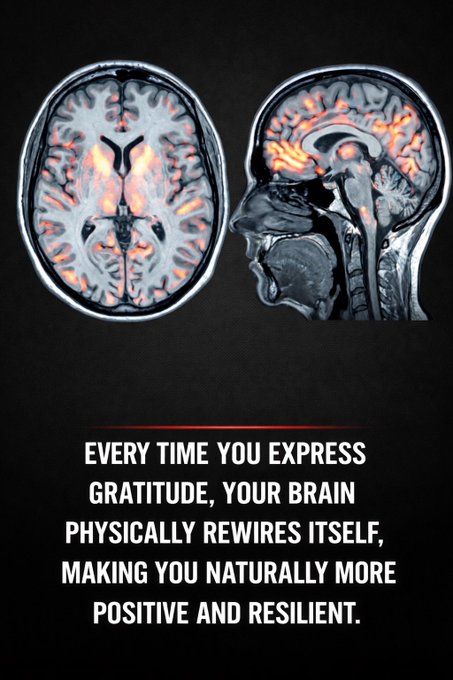
In a recent LinkedIn post, Liz Bradford offers a compelling perspective on gratitude, reframing it not as a mere sentiment but as a tangible neurological event with profound implications for executive performance. Bradford challenges the conventional, often dismissed, notion of gratitude practices, drawing on neuroscience to explain how deliberate appreciation can physically alter brain function, leading to enhanced strategic thinking and emotional regulation.
Bradford begins by recounting her initial skepticism towards gratitude, rooted in her experience in the results-driven world of investment banking. However, a deeper dive into the science behind gratitude shifted her entire approach to performance. She explains the immediate impact of genuine appreciation:
“Every time you generate genuine appreciation – for something specific, something real – your brain triggers a dopamine and serotonin release in the prefrontal cortex.”
This release, as Bradford points out, occurs in the same region of the brain responsible for critical executive functions such as strategic thinking, emotional regulation, and decision quality. She emphasizes that consistent practice doesn’t just foster positive feelings; it actively reshapes the neural architecture leaders rely on.
Understanding the Neurological Shift
Delving into the scientific underpinnings, Bradford cites research from UCLA’s Mindfulness Awareness Research Center, which found that regular gratitude practice measurably redirects brain activity. According to Bradford, this shift moves the brain away from its default threat-detection mode and towards reward-processing.
“The brain literally becomes less reactive. Less cortisol-dominated. More capable of the clear, calm thinking that high-stakes leadership demands.”
Bradford argues that this is particularly crucial for senior leaders operating under constant high-load conditions. The relentless pace of decision-making and the continuous influx of market signals, political shifts, and daily demands can keep a leader’s nervous system in a state of low-grade threat response. Over time, this chronic stress can rewire the brain towards reactivity. Bradford posits that intentional gratitude practice serves as a powerful, physiological intervention to interrupt this pattern.
A Targeted Protocol for Leaders
Critically, Bradford distinguishes her recommended approach from generic or performative gratitude exercises. She advocates for a highly specific and time-efficient protocol:
The Two-Minute, One-Specific-Thing Method
Bradford outlines a practical method designed for immediate impact. “This isn’t journaling about sunsets. I’m not asking you to write five things you’re grateful for every morning until you feel fuzzy,” she clarifies. Instead, the protocol is:
“Two minutes. One specific thing. Genuine – not performative.”
The key, as Bradford stresses, lies in specificity. Vague expressions of appreciation yield minimal neurological benefits. Precise and vivid recall of a positive event, such as a productive conversation, a clarifying data point, or a colleague’s support, activates the same neural circuits as the original experience. This focused recall, she suggests, is not about passive meditation but about actively training the brain’s default state.
The Long-Term ROI of Deliberate Gratitude
Bradford projects significant long-term benefits from consistently applying this targeted practice. She suggests that leaders who engage in this protocol for a quarter will experience a notable transformation. “Clearer. Less triggered. More capacity for the thinking that separates good executives from great ones,” she writes, summarizing the potential outcomes. The investment is minimal – just two minutes – but the return, in Bradford’s view, is a demonstrably better-functioning brain, essential for navigating the complexities of modern leadership.
She concludes by posing a direct question to her audience, encouraging them to identify and share one specific thing from their week that genuinely went well, reinforcing the practice of specific, deliberate appreciation.
📝 About This Content
This article is based on insights shared by Liz Bradford on LinkedIn.
📅 Originally posted on February 28, 2026 | View original post on LinkedIn →