
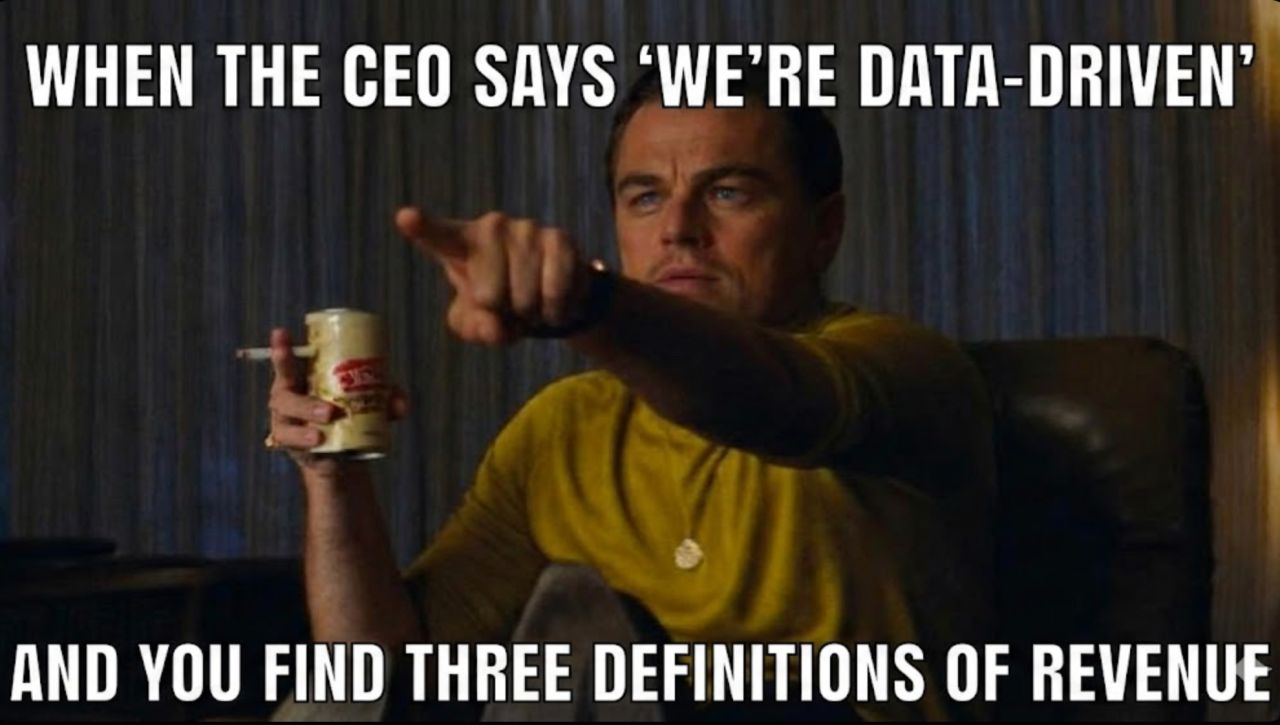
In a recent LinkedIn post, Lee McCabe addresses a common paradox faced by many chief executives: the struggle to effectively leverage data despite a stated commitment to being data-driven. McCabe argues that the root cause often lies not with the CEO’s intelligence, but with a fundamentally flawed technological infrastructure, which he terms a ‘plumbing problem’.
McCabe paints a vivid picture of the fragmented data landscape within many organizations:
“CRM says one thing. Finance says another. Marketing has a dashboard that only works if you don’t ask it anything useful. Sales has ‘pipeline’ in eight different places, one of which is a spreadsheet called FINAL_final_v6.”
This disjointed system, McCabe explains, leads to chaos when basic business questions arise, such as reporting revenue. He highlights the common scenario where a simple request to the board results in conflicting answers and confusion, likening the situation to a high-stakes security breach.
The Misdiagnosis: Intelligence vs. Infrastructure
According to Lee McCabe, the issue is frequently misdiagnosed as a lack of CEO intelligence or a failure of leadership. Instead, he posits:
“This is not a CEO intelligence problem. It’s a plumbing problem.”
McCabe elaborates that many portfolio companies suffer from data issues not because they lack dashboards, but because the business has never been compelled to agree on standardized definitions for key metrics. He lists several examples of ambiguously defined terms:
- Revenue booked
- Revenue billed
- Revenue collected
- Gross revenue
- Net revenue
- Revenue excluding one-offs (unless they improve the month’s appearance)
The Boring, Yet Essential, Fix
The solution, as described by McCabe, is straightforward but often overlooked due to its lack of glamour. He advocates for establishing a single source of truth, consistent definitions across departments, and clear ownership of data integrity. The goal, he states, is to ensure numbers align seamlessly from initial lead generation through sales, margin calculation, and final cash collection.
McCabe also critiques the state of modern CRM systems, suggesting that many are poorly configured:
“And preferably a CRM that wasn’t configured by someone who thought ‘lifecycle stage’ was a personality type.”
Before businesses invest further in scaling, external agencies, or AI initiatives based on superficial trends, McCabe urges them to address these foundational data issues. He concludes with a stark warning about the illusion of progress:
“Bad data doesn’t get better because you put it in a prettier dashboard. It just lies with nicer fonts.”
In essence, Lee McCabe’s analysis underscores the critical importance of robust data infrastructure and clear definitions as prerequisites for any meaningful data-driven strategy, asserting that fixing the ‘plumbing’ must precede any grander technological or strategic ambitions.
📝 About This Content
This article is based on insights shared by Lee McCabe on LinkedIn.
📅 Originally posted on June 29, 2026 | View original post on LinkedIn →