
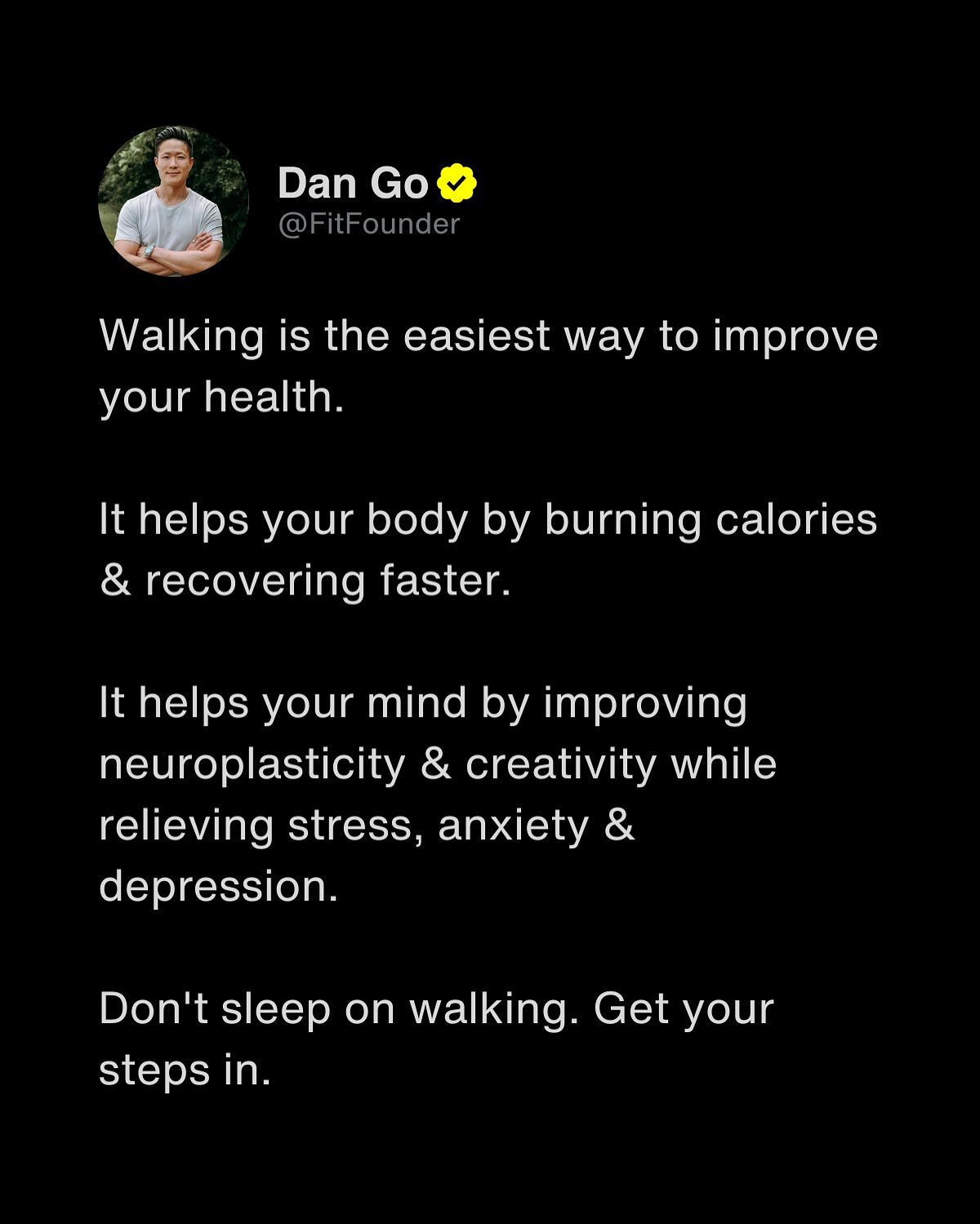
In a recent LinkedIn post, Liz Bradford discusses a surprisingly simple yet profoundly effective strategy for enhancing executive performance: walking. Bradford, who has worked with over 300 executives on physical and cognitive optimization, argues that many leaders overlook the fundamental benefits of this accessible activity in their pursuit of peak productivity.
Bradford challenges the common reliance on expensive gym memberships, intense workout regimes, or complex biohacking protocols, suggesting that the most impactful intervention is often the most basic. She highlights that consistent, gentle movement, specifically a 20-minute walk, can yield significant returns for busy professionals.
“While you’re researching the perfect productivity app, the most effective intervention for executive performance has been free this entire time.”
The Underrated Benefits of Walking for Executives
According to Liz Bradford, the advantages of incorporating regular walks extend across various critical areas of executive function. She points out that this simple act of movement can lead to:
- Clearer thinking during high-stakes decisions
- Better emotional regulation in difficult conversations
- Enhanced creative problem-solving between meetings
- Improved sleep quality without sleep aids
- Sustained energy without the afternoon crash
Bradford emphasizes that the cognitive processing power of the brain is directly linked to physical movement. She notes that leaders often spend significant resources on optimization techniques, yet miss the most fundamental requirement for processing complex information.
Movement as a Catalyst for Strategic Thinking
In her post, Bradford shares an anecdote illustrating how a simple walk can unlock solutions to complex business challenges. She recounts a situation where an executive successfully resolved a major strategic issue during a morning walk, a problem that had previously stumped the entire leadership team for weeks.
“The same leaders spending thousands on optimization are missing the most fundamental requirement: your brain needs movement to process complex information.”
This example underscores Bradford’s core argument: that intensity and elaborate tracking are not necessary for achieving peak mental performance. Instead, she advocates for consistency and gentle, regular movement.
Challenging Conventional Wisdom
Liz Bradford’s insights challenge the prevailing notion that peak performance requires extreme measures or technological aids. She argues that the solution to many executive performance plateaus lies in a practice as old as humanity itself.
“Not intensity. Not tracking. Just consistent, gentle movement.”
Bradford concludes by posing a direct question to her audience, encouraging them to integrate movement into their work week: “What’s one meeting you could turn into a walk this week?” This call to action encourages readers to experiment with her proposed strategy and experience its benefits firsthand. She also gives credit to Dan Go for consistently advocating for this approach over the years.
📝 About This Content
This article is based on insights shared by Liz Bradford on LinkedIn.
📅 Originally posted on April 14, 2026 | View original post on LinkedIn →