
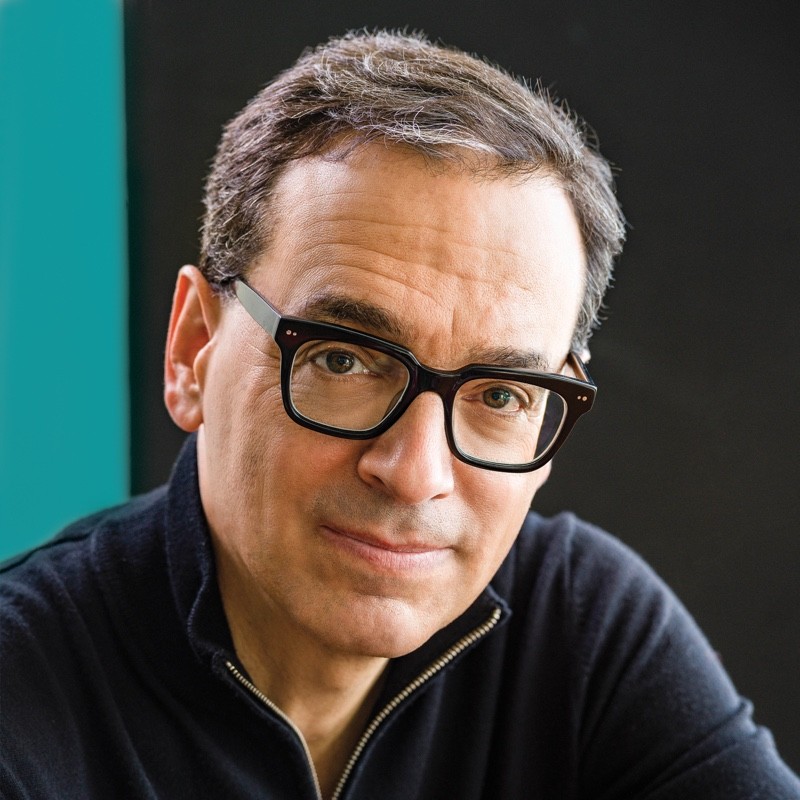
In a recent LinkedIn post, Daniel Pink discusses the common tendency for individuals to pursue a single hobby and questions why this approach might leave them feeling unfulfilled. Drawing on research by Sabine Sonnentag, Pink highlights that true restoration after work requires a multifaceted approach, not a singular focus.
As Daniel Pink notes, the prevailing assumption that one hobby can meet all our restoration needs is flawed. He introduces the findings of Sabine Sonnentag from the University of Mannheim, who has studied the mechanisms that genuinely restore people after their working hours. Sonnentag’s research identifies four distinct, non-substitutable mechanisms crucial for recovery.
“Sabine Sonnentag at the University of Mannheim studies what actually restores people after work, and she found four separate mechanisms: detaching mentally, relaxing, mastering something new, and having control over your own time. They don’t substitute for each other.”
Understanding the Four Pillars of Restoration
Daniel Pink emphasizes that these four mechanisms—mental detachment, relaxation, skill mastery, and time control—each serve a unique purpose and cannot be fulfilled by a single activity. He elaborates on this point, explaining the limitations of relying on one type of hobby.
According to Daniel Pink, a hobby that primarily offers relaxation may not provide a sense of mastery or the opportunity to detach mentally from work. Conversely, an activity that fosters mastery might demand such intense focus that it prevents genuine mental detachment. This is why, Pink argues, a diverse range of activities is far more beneficial than a single favorite.
The Limitations of a Singular Hobby
Pink illustrates this with a clear contrast:
“The hobby that relaxes you gives you no mastery. The one that gives you mastery often won’t let you detach.”
This observation underscores the core of his message: to achieve comprehensive restoration, individuals need a portfolio of activities, each contributing to a different aspect of their well-being. This is not about finding the perfect hobby, but about cultivating a healthy ecosystem of pursuits.
A Balanced Approach to Post-Work Recovery
Daniel Pink advocates for a strategic mix of activities, suggesting that different pursuits fulfill distinct needs. He uses the analogy of focus, movement, and connection, implying that each plays a vital role in overall restoration, much like the four mechanisms identified by Sonnentag.
In essence, Daniel Pink, referencing Sonnentag’s research, encourages readers to re-evaluate their leisure time. Instead of seeking a single hobby to solve feelings of flatness or burnout, he proposes embracing a variety of activities that cater to mental detachment, relaxation, skill development, and autonomy. This approach, he suggests, is key to more effective and complete post-work recovery.
The article cites the research paper: Sonnentag, S., & Fritz, C. (2007). The Recovery Experience Questionnaire. Journal of Occupational Health Psychology, 12(3), 204–221.
📝 About This Content
This article is based on insights shared by Daniel Pink on LinkedIn.
📅 Originally posted on September 7, 2026 | View original post on LinkedIn →