
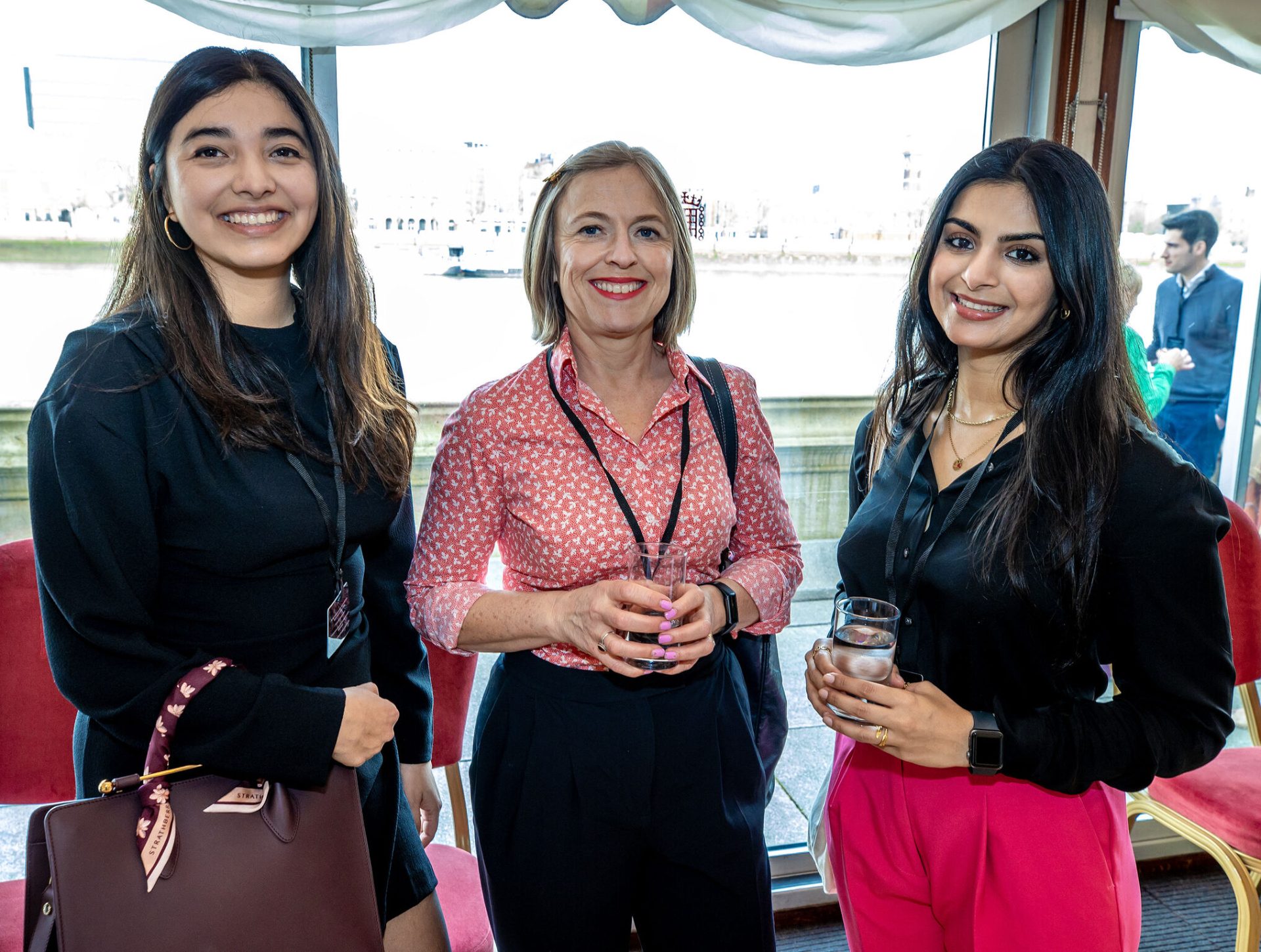
In a recent LinkedIn post, Ahana Banerjee, founder of Clear, shares a pivotal career lesson that shifted her entrepreneurial path. The insight, gained not from a formal presentation but a candid coffee chat with a female founder during her 2021 Y Combinator batch, underscores the importance of self-permission and overcoming hesitation.
Banerjee recounts a period where she was expending significant effort coordinating contractors, believing she needed a larger team to accelerate progress. This led to the pivotal question from her peer: “Why aren’t you building it yourself?” This simple inquiry, as Banerjee details, was a catalyst for change.
“She reminded me of something obvious in hindsight: I had studied physics. I had done software engineering internships. I could build it… I just hadn’t given myself permission.”
Overcoming Hesitation: The Founder’s Hurdle
Banerjee’s experience highlights a common struggle for aspiring entrepreneurs, particularly women, where internal barriers can be more significant than external ones. She argues that the perceived need for perfection in various aspects of a startup can be a major impediment to getting started.
The Myth of the Perfect Startup Launch
According to Banerjee, the pursuit of an ideal scenario often leads to inaction. She lists several elements that are frequently seen as prerequisites for launching, but which she contends are not essential:
- The perfect co-founder
- The perfect idea
- The perfect investor intro
- The perfect plan
Instead, Banerjee emphasizes the critical role of momentum. “You need momentum,” she states, advocating for a proactive approach that prioritizes action over ideal conditions. This involves tangible steps such as building a prototype, engaging with users, initiating cold outreach, and shipping even imperfect versions of a product.
“Build the prototype. Talk to users. Send the cold emails. Ship the messy version.”
The Role of Mentorship in Empowering Founders
Banerjee further explores the nature of effective mentorship, suggesting it doesn’t always manifest as simple encouragement. Sometimes, the most valuable guidance comes from challenging questions that prompt self-reflection and action.
Asking the Empowering Question
In her post, Banerjee elaborates on how mentorship can be a powerful tool for empowering women founders. She posits that a key way to support them is by asking questions that unlock their potential rather than merely offering reassurance.
“Mentorship doesn’t always look like encouragement. Sometimes, it’s someone asking the question you’ve been avoiding…”
This perspective suggests that true support involves recognizing and helping individuals tap into their inherent capabilities. Banerjee’s own journey, from hesitating to build the first version of Clear to successfully leading its development, serves as a testament to this principle.
The Longevity of Action Over Certainty
Reflecting on five years of building Clear, Banerjee reiterates a core lesson: sustained success often belongs not to those who are most certain, but to those who are willing to start despite uncertainty.
“Five years into building Clear, the lesson that keeps repeating itself is this: the people who win are rarely the most certain. They’re the people who started anyway.”
Her message is a powerful call to action for anyone aspiring to build something significant, urging them to give themselves permission to begin, even when the path forward is not perfectly clear.
📝 About This Content
This article is based on insights shared by Ahana Banerjee on LinkedIn.
📅 Originally posted on March 6, 2026 | View original post on LinkedIn →