
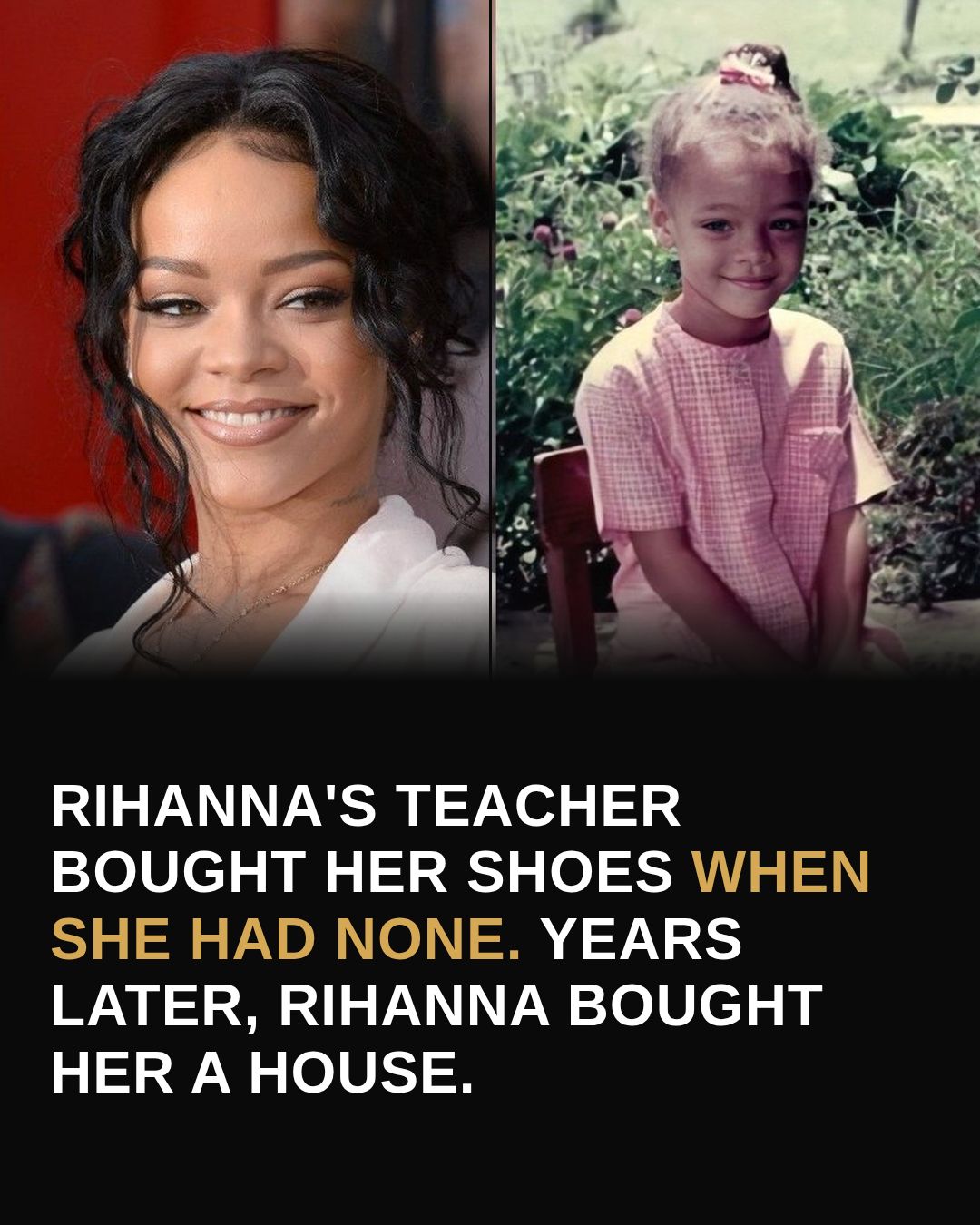
In a recent LinkedIn post, Emily Lyons discusses an act of kindness by Rihanna towards her former elementary school teacher, using the story to explore the profound nature of generosity, particularly from those with limited means. Lyons frames the narrative not just around Rihanna’s subsequent act of buying her teacher a house, but more critically, around the teacher’s earlier, quiet act of compassion.
The story, as recounted by Lyons, details how Rihanna, as a child in Barbados, was once made fun of for going to school barefoot. Her teacher, despite likely earning a modest public school salary, anonymously bought Rihanna a pair of shoes out of her own pocket. Lyons emphasizes the selflessness of this act, noting:
“She was making a public school salary in Barbados and she spent her own money on shoes for someone else’s kid. That probably meant she went without something that month. Maybe it was small. Maybe it wasn’t. But she did it knowing she’d never get it back and she did it anyway.”
Lyons uses this anecdote to highlight a powerful idea: that true generosity often comes from those who can least afford it, and that these acts are frequently performed without expectation of reward or recognition.
The Unseen Generosity of Those with Little
According to Emily Lyons, the teacher’s act of buying Rihanna shoes is more significant than Rihanna’s later gesture of buying her teacher a house. Lyons argues that the teacher’s sacrifice, made when she had little herself, exemplifies a deeper level of altruism. As Lyons points out, the teacher’s generosity was a personal sacrifice, potentially impacting her own financial stability for that month, yet she acted anyway.
Lyons draws a parallel between this story and her own experiences, sharing instances where individuals with limited resources extended significant help to her. She recounts how people who were not wealthy provided essential support, such as offering office space for free or giving her grocery money disguised as a loan she would never have to repay. Lyons stresses that the common thread in these impactful moments was the giver’s lack of abundance.
“None of them were rich. That’s the whole point,” Lyons writes, underscoring that financial capacity does not dictate the capacity for kindness or sacrifice.
Discovering Generosity Posthumously
The post further explores the theme of hidden generosity through the story of Lyons’s own mother. After her mother’s passing, a bank teller revealed that her mother had consistently donated to every fundraiser the bank held, even when her account balance clearly indicated she could not afford it. Lyons was unaware of these ongoing contributions until after her mother was gone.
This revelation led Lyons to reflect on the nature of selfless giving. She notes:
“She never told me. I heard it from a bank teller after she was already gone. Some generosity you only discover when it’s too late to say thank you.”
Lyons concludes that these quiet, often unrecognized acts of generosity, especially from those facing financial hardship, are profoundly inspiring and reveal the true character of individuals. The story serves as a powerful reminder that significant acts of kindness are not exclusive to the wealthy, and that compassion can be found in the most unexpected circumstances and from the most unassuming individuals.
📝 About This Content
This article is based on insights shared by Emily Lyons on LinkedIn.
📅 Originally posted on May 2, 2026 | View original post on LinkedIn →