
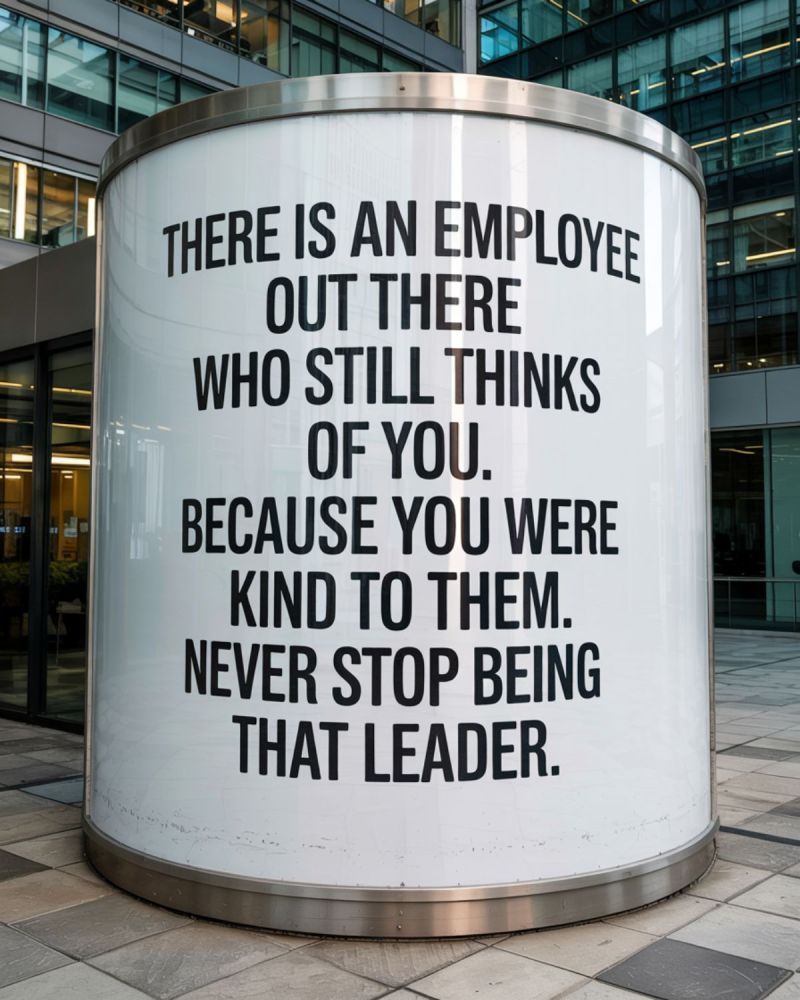
In a recent LinkedIn post, IZA MONTALVO explores the often-unspoken challenges of leadership, particularly the burden of self-doubt and how it can paradoxically be a sign of effective leadership. MONTALVO highlights the internal dialogues leaders frequently engage in, questioning their decisions and impact, a process that often remains hidden from their teams.
MONTAVO begins by describing the internal monologue many leaders experience: “You think you’re failing as a leader. You don’t tell anyone that. But after meetings, you replay them. Did I push hard enough? Was I too soft? Is this why we’re not moving faster?” This internal reflection, MONTALVO argues, is not a sign of weakness but a critical element that distinguishes truly impactful leaders from those merely holding a title.
The Loneliness of Leadership and the Power of Self-Questioning
MONTAVO frames the internal struggle as “the lonely road of leadership no one talks about.” This solitude, coupled with the observation of team dynamics—delays, shifts in energy, subtle changes in tone—can lead leaders to internalize problems. However, MONTALVO refutes the notion that this self-assessment is a failing. Instead, it is presented as a core component of developing other leaders.
The post shares a powerful anecdote about a former leader who believed she was “too soft” and had underdelivered. Years later, team members sought her out, not to discuss targets, but to express gratitude for her support, her willingness to back them, and her trust. This story underscores MONTALVO’s central thesis: the leaders who question themselves the most are often the ones building the most resilient and high-performing teams.
Psychological Safety: The Foundation of High Performance
MONTAVO supports this perspective with research, noting that “Teams with leaders who create psychological safety are 27% more likely to report high performance.” This highlights a key distinction: while leaders may remember the pressure they exerted, their teams often remember the environment of safety and trust. MONTALVO emphasizes the difference between short-term output and long-term growth, stating, “You can squeeze output out of someone for a quarter. You can’t squeeze confidence into them.” Confidence, built on trust and safety, is what ultimately drives sustained performance and leadership development long after the initial leader’s tenure.
Distinguishing Self-Doubt from Indifference
A crucial point made by MONTALVO is the differentiation between constructive self-doubt and detrimental indifference. While self-questioning can be a catalyst for improvement and empathy, indifference signals a lack of engagement and care. As MONTALVO puts it, “Self-doubt in a leader is not a red flag. Indifference is.” This distinction is vital for understanding the true markers of effective leadership.
Ultimately, MONTALVO concludes that the best leaders are not those who are free from self-doubt, but rather those who “never stop” questioning and reflecting. This continuous self-examination, coupled with a commitment to fostering trust and psychological safety, is presented as the hallmark of leadership that creates lasting impact and develops future leaders.
📝 About This Content
This article is based on insights shared by IZA MONTALVO on LinkedIn.
📅 Originally posted on February 25, 2026 | View original post on LinkedIn →