
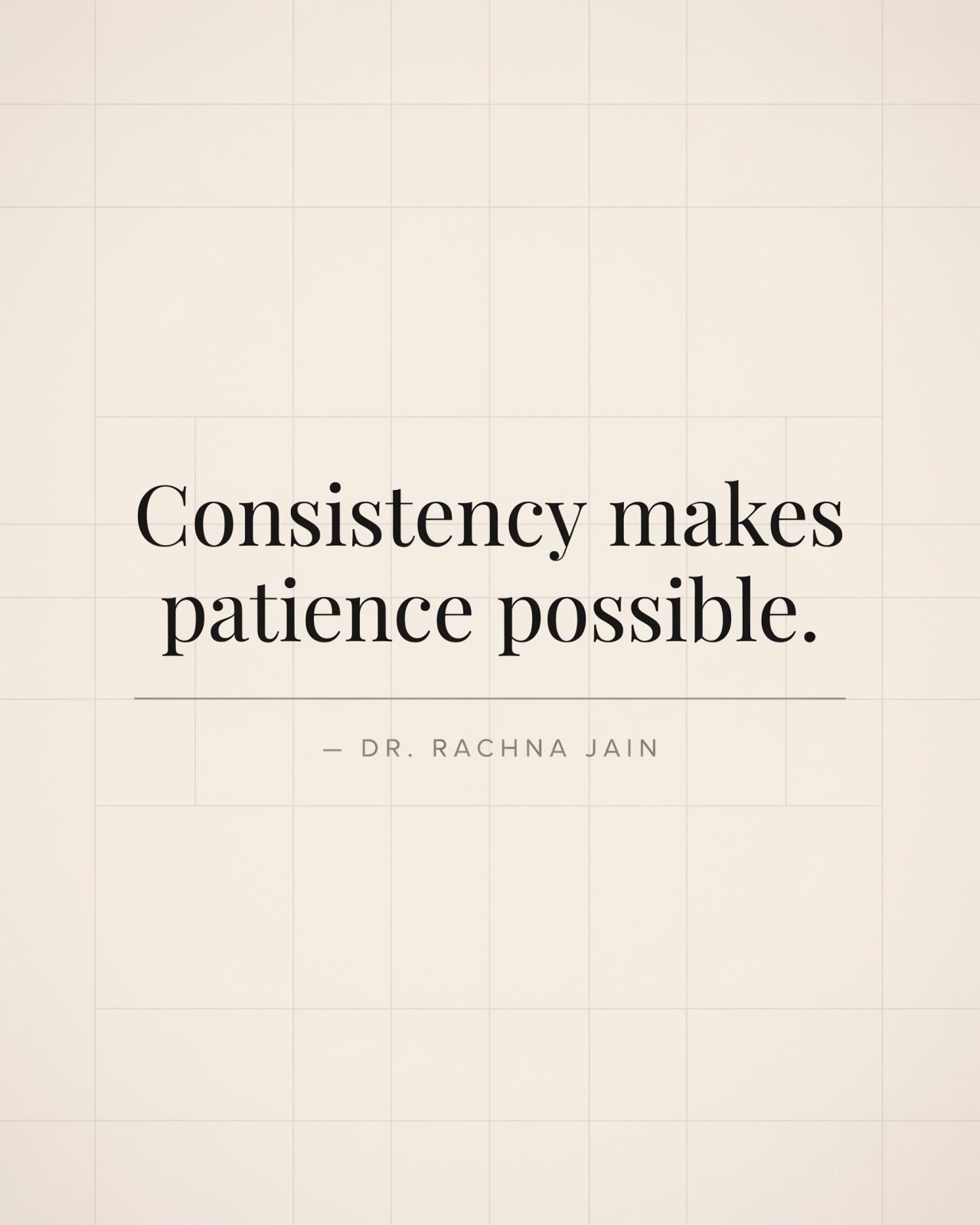
In a recent LinkedIn post, Dr. Rachna Jain sheds light on the common perception of impatience, arguing that it often stems from underlying uncertainty rather than a simple lack of patience. Dr. Rachna Jain suggests that when individuals or teams do not fully trust the processes they are engaged in, periods of quiet or slow progress can be misinterpreted as negative indicators, leading to premature changes in strategy.
Understanding the Link Between Uncertainty and Perceived Impatience
Dr. Rachna Jain highlights a critical psychological dynamic: the impact of trust on how we perceive time and progress. According to Dr. Rachna Jain, the feeling of impatience is frequently a symptom of doubt in the efficacy or reliability of a given system or plan. This lack of faith can transform neutral periods into sources of anxiety.
If you don’t trust the process, every quiet week feels like a warning sign.
As Dr. Rachna Jain points out, this feeling of unease can lead to detrimental actions. When the underlying trust is missing, even normal lulls in activity can trigger a response, prompting individuals to alter their course of action before the process has had adequate time to yield results.
The Role of Confidence and Consistency
Central to Dr. Rachna Jain’s argument is the concept that confidence in a system is the bedrock upon which patience is built. Dr. Rachna Jain posits that a firm belief in the process allows for a more rational interpretation of progress, distinguishing between genuine stagnation and the natural ebbs and flows of development.
You start changing plans before they have time to work.
Dr. Rachna Jain emphasizes that this confidence fosters consistency in action and decision-making. Instead of reacting impulsively to perceived slowness, individuals are more likely to remain committed to the established plan, understanding that consistent effort within a trusted framework is key to achieving long-term goals.
Building Patience Through Systemic Trust
The post, which links to Dr. Rachna Jain’s work on leadership regulation, suggests that cultivating patience is not merely an individual trait to be developed in isolation. Instead, it is intrinsically tied to the reliability and transparency of the systems and leadership guiding the endeavor. Dr. Rachna Jain argues:
Confidence in the system creates consistency.
This consistency, born from trust, is what ultimately makes patience a sustainable practice. Without it, as Dr. Rachna Jain illustrates, even well-intentioned efforts can be undermined by a cycle of doubt and premature intervention. The implication is that leaders and organizations must focus on building robust, trustworthy processes to foster an environment where patience can flourish, leading to more predictable and successful outcomes.
Consistency makes patience possible.
Dr. Rachna Jain’s insights offer a valuable perspective for professionals and leaders, reframing impatience not as a personal failing, but as a potential indicator of deeper issues related to trust and process integrity. By addressing the root causes of uncertainty, individuals and organizations can cultivate the consistency needed for true patience and, ultimately, greater success.
📝 About This Content
This article is based on insights shared by Dr. Rachna Jain on LinkedIn.
📅 Originally posted on June 22, 2026 | View original post on LinkedIn →