
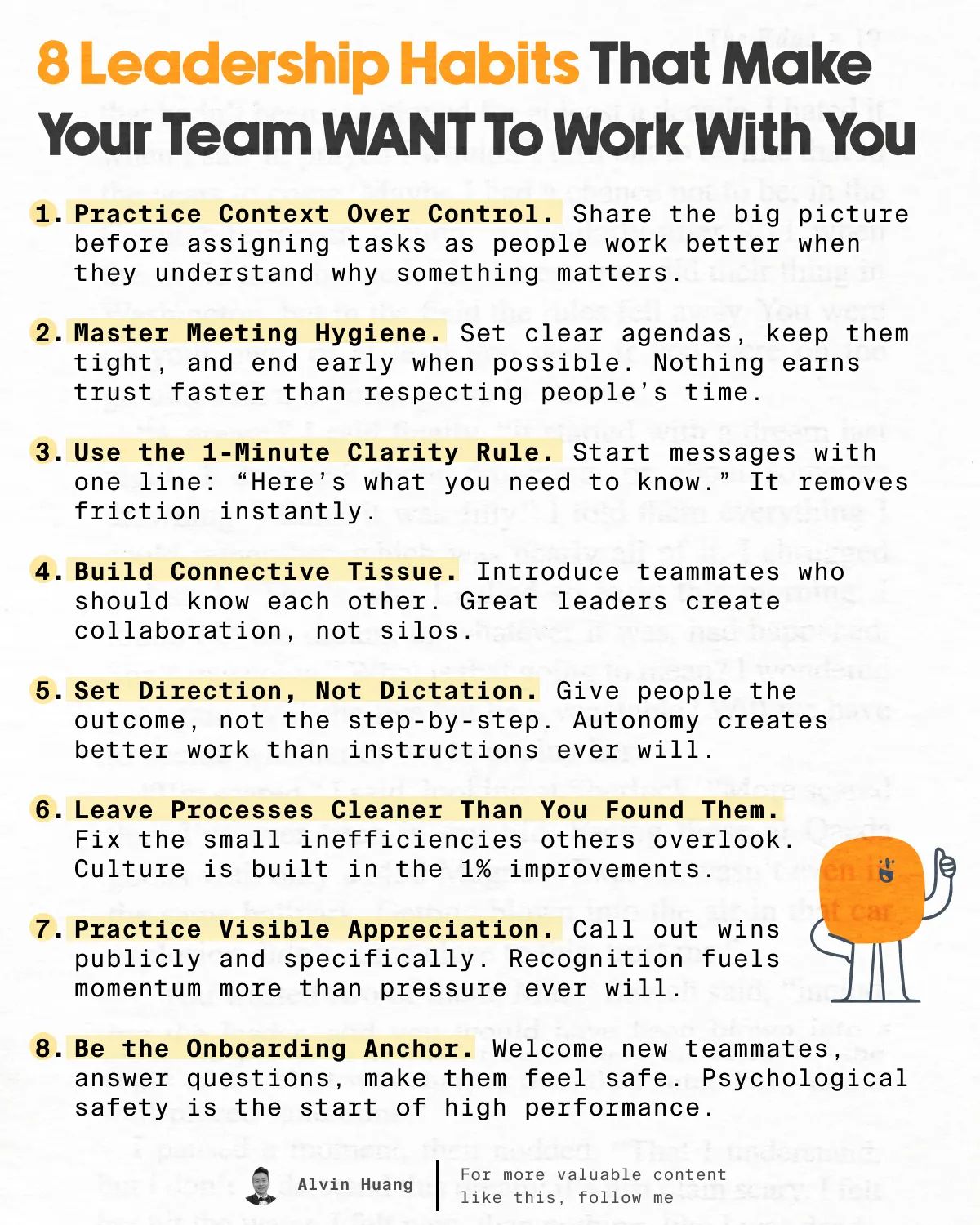
In a recent LinkedIn post, Alvin Huang delves into the often-overlooked reasons behind team disengagement, arguing that the root cause frequently lies with leadership rather than individual performance. Huang contends that leaders may inadvertently erode trust through small, consistent habits, leading to a gradual decline in team morale and commitment.
Huang highlights the disconnect many leaders experience, stating:
When your team stops caring, it’s not random. The problem is something in your leadership. Most leaders don’t even realize they’re bleeding trust… one tiny habit at a time.
The post emphasizes that attributing disengagement solely to “poor performance” is a common leadership blind spot. Instead, Huang suggests that issues like micromanagement, a lack of recognition, or unclear communication are more accurate culprits. When employees feel unheard or overly controlled, their natural inclination is not to strive harder, but to withdraw.
The Slow Erosion of Trust
Alvin Huang points out that trust, much like it is built, can also be dismantled through a series of seemingly minor infractions. These “tiny habits” accumulate, creating friction and dissatisfaction that can ultimately lead to the departure of valuable team members. Huang observes that teams are often acutely aware of these leadership shortcomings long before the leaders themselves acknowledge them.
(P.S. Your team usually notices your blindspots way before you do.)
This lack of awareness can have significant consequences, transforming high-potential employees into disengaged individuals who merely tolerate their work environment rather than actively contributing to it. The transition from commitment to mere compliance, as Huang frames it, is a critical indicator of leadership failure.
Rebuilding Trust Through Eight Key Habits
Fortunately, Huang offers a roadmap for leaders looking to reverse this trend. He outlines eight specific habits designed to foster an environment where employees genuinely want to work, moving beyond simple tolerance. These habits focus on creating clarity, respecting time, and fostering a sense of belonging and purpose.
Key Leadership Habits for Engagement:
- Sharing the “Why”: Providing context and purpose behind tasks ensures employees understand the significance of their contributions and feel a greater sense of ownership.
- Mastering Meeting Hygiene: Implementing clear agendas, defining goals, and respecting attendees’ time by ending meetings promptly are crucial for efficient collaboration.
- The 1-Minute Clarity Rule: Leaders should communicate their main point upfront to avoid ambiguity and save their team the effort of deciphering lengthy messages.
- Facilitating Connections: Proactively introducing team members who could benefit from collaboration removes hidden obstacles that hinder productivity.
- Defining the Destination, Not the Route: Clearly articulating the desired outcome or the definition of success empowers individuals to find their own best paths to achieve it.
- Fixing Friction Points: Addressing minor annoyances and workflow inefficiencies, even those that seem insignificant, can significantly boost morale.
- Recognizing Wins Specifically: Vague praise like “good job” is less effective than specific, detailed recognition of what a person did well.
- Creating Belonging in Onboarding: A positive and welcoming onboarding experience sets the tone for an employee’s entire tenure and fosters a sense of safety that drives performance.
Huang concludes by asserting that strong leaders cultivate environments that people are eager to be part of, differentiating between genuine commitment and grudging compliance. He prompts other leaders to consider which habit they believe requires the most attention in their own practice.
📝 About This Content
This article is based on insights shared by Alvin Huang on LinkedIn.
📅 Originally posted on December 7, 2025 | View original post on LinkedIn →