
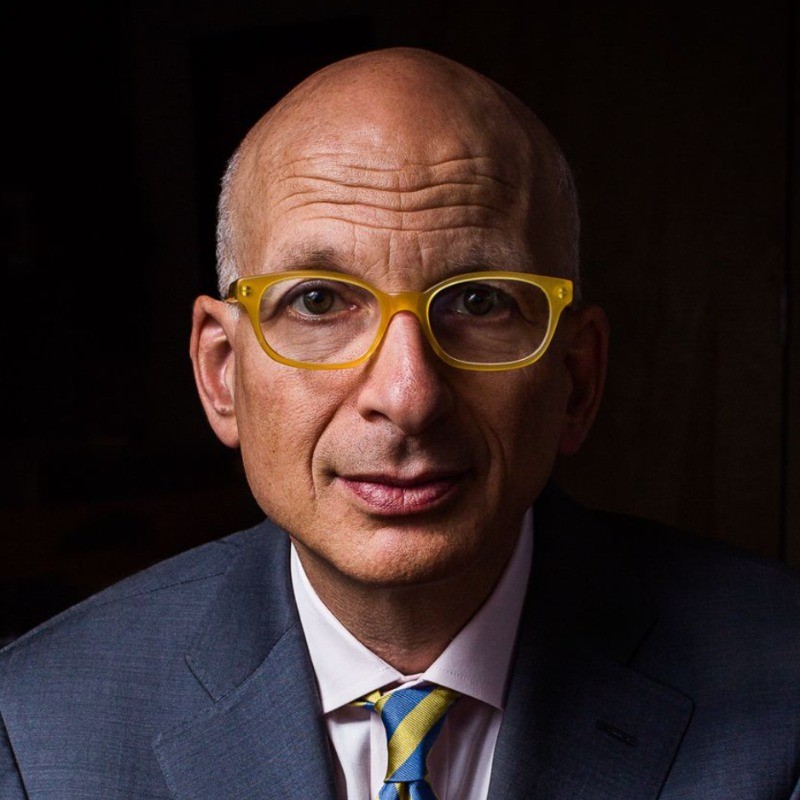
In a recent LinkedIn post, Seth Godin 🌔 discusses the pervasive influence of sunk costs on decision-making, urging a shift towards present-moment evaluation over past commitments.
Seth Godin 🌔 highlights the human inclination towards persistence, noting,
“Culture is built on the stability of persistence.”
He illustrates this with examples like musicians extending farewell tours for years and local businesses continuing their operations, suggesting a societal preference for longevity and reliability. However, Seth Godin 🌔 posits that this ingrained tendency can be detrimental when it prevents objective assessment of current opportunities.
Challenging the Notion of Persistence
Seth Godin 🌔 contrasts the desire for persistent, long-term endeavors with the pragmatic approach required in dynamic environments, particularly in finance and personal choice. He points out that in the business world, particularly when seeking new investment, savvy investors are encouraged to disregard previous funding rounds. Seth Godin 🌔 argues this is because:
“When it’s time for a company to raise another round of investment, the smart investor treats the new round as if the old one never happened.”
This perspective forces a focus on the present viability and potential of the business, rather than being anchored by past decisions or investments.
The Buffet Analogy: Present Choice Over Past Commitment
To further illustrate his point, Seth Godin 🌔 employs the analogy of a person at a buffet. The individual is not bound by what they chose earlier in the meal but is free to select the dish that appeals most at that precise moment. Seth Godin 🌔 states:
“And the person at the buffet does the same thing. Right here, right now, which dish appeals the most?”
This analogy underscores the idea that current desires and opportunities should guide choices, rather than a commitment made at an earlier, perhaps less informed, point in time.
Focusing on the Present Moment
The core of Seth Godin 🌔’s message revolves around the irretrievable nature of time. He emphasizes that each day offers a fresh opportunity for optimal decision-making. Seth Godin 🌔 concludes by stating:
“We don’t get tomorrow over again. We can choose to spend it on the best option, not the option we committed to ten years ago.”
This perspective challenges the traditional business adage that emphasizes sticking with a plan or investment simply because resources have already been allocated. Instead, Seth Godin 🌔 advocates for a continuous re-evaluation, ensuring that present actions align with the best available choices, free from the burden of past, potentially outdated, commitments.
📝 About This Content
This article is based on insights shared by Seth Godin 🌔 on LinkedIn.
📅 Originally posted on September 7, 2026 | View original post on LinkedIn →