
In a recent LinkedIn post, Mark O’Donnell shares a deeply personal account of nearly sacrificing his life for his business, urging founders to reconsider the narrative that intense personal sacrifice is the only path to success. O’Donnell, who has founded nine companies in the pharma and biotech sectors, reflects on a period where relentless work led to significant business growth but nearly cost him his well-being.
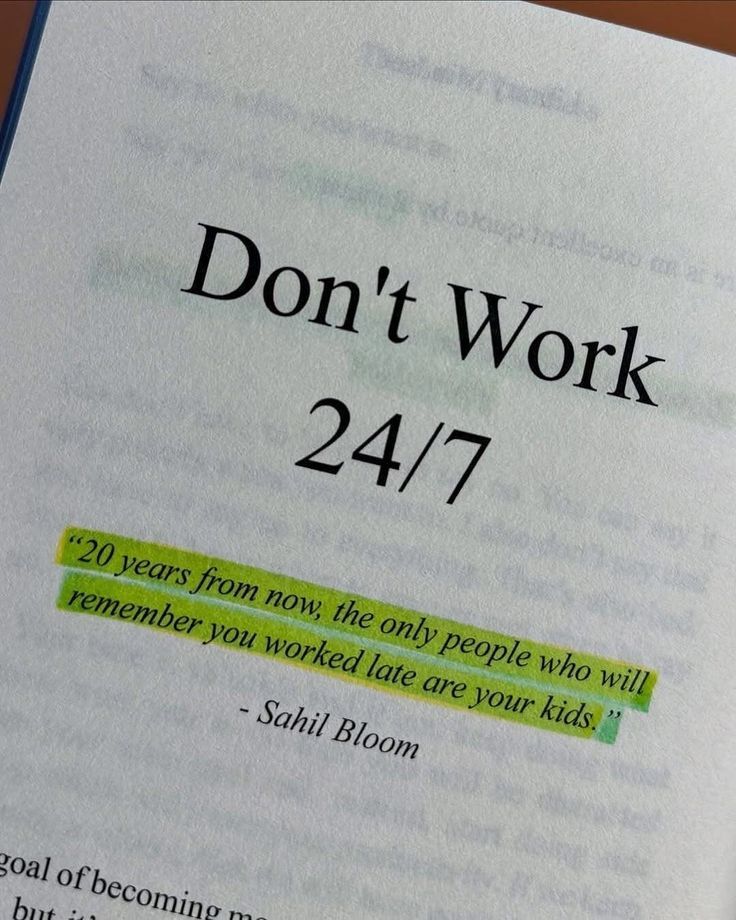
He opens by quoting a poignant observation that resonates with many entrepreneurs:
“Don’t work 24/7. 20 years from now, the only people who will remember you worked late are your kids.”
O’Donnell admits to embodying the sentiment described in the quote for a considerable time. “For a long time, I was exactly who this quote is describing,” he writes. His ventures achieved impressive year-on-year growth, even making the Inc. 5000 list multiple times. By external metrics, the businesses were thriving. However, O’Donnell felt perpetually absent from his own life, describing himself as the linchpin holding everything together by being ‘everywhere at once.’ Every critical decision and every emerging problem demanded his immediate attention, leading to a state of constant operational involvement that was personally draining.
The Illusion of Chaos as a Necessary Cost
A key insight O’Donnell shares is his realization that the chaos founders often endure is not an inherent cost of building a business, but rather an indicator of systemic deficiencies. He challenges the widespread belief among entrepreneurs that constant overwork, early mornings, late nights, and missed family events are simply the price of admission for success. “Most founders treat the sacrifice as inevitable. That’s just what it takes, right? I don’t believe that anymore,” O’Donnell states.
His perspective shifted dramatically after exiting his last venture in 2016. Upon transitioning to work structured around a robust operating model, he experienced a profound change. “For the first time, the work was giving me energy instead of taking it. I remember thinking: this is what it’s supposed to feel like,” he recalls. This stark contrast now informs his current professional endeavors.
Systemic Design vs. The Load-Bearing Founder
O’Donnell argues that when a business is built on a solid operational system, the founder is no longer the sole pillar supporting its existence. This shift allows for a different kind of leadership and a reclamation of personal time. As he puts it:
“When your business runs on a proper system, you stop being the load-bearing wall: – You step back from the day-to-day – You lead instead of operate – You get your time back”
This liberation from constant operational demands not only benefits the founder but also allows them to be more present in the lives of their loved ones. O’Donnell emphasizes that this is the outcome he now helps other founders achieve, finding immense satisfaction in this work, to the point where he claims he would do it for free.
Identifying the Need for Structural Change
For founders experiencing growth that feels overwhelmingly costly, O’Donnell suggests a critical self-assessment: “If you’re at the point where growth feels like it’s costing you everything except money, it’s worth asking whether the business has the structure to run without you in every room.” He concludes with an optimistic note, asserting that building such a structure is achievable, even if many have yet to implement it.
O’Donnell further elaborates on the pervasive nature of business chaos in his book, available for pre-order. He also offers weekly insights via his newsletter to help leaders cultivate clearer thinking.
📝 About This Content
This article is based on insights shared by Mark O'Donnell on LinkedIn.
📅 Originally posted on March 17, 2026 | View original post on LinkedIn →