
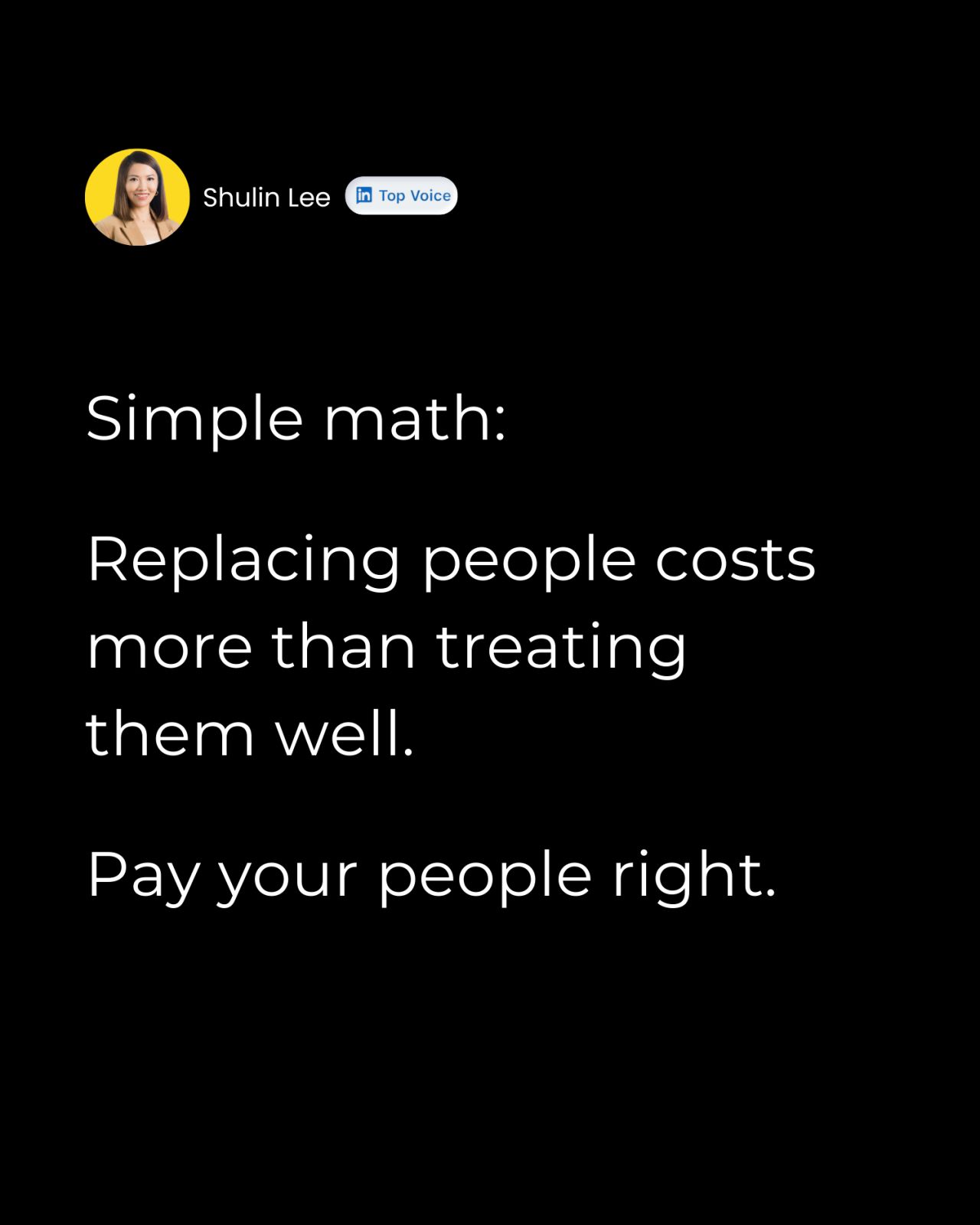
Recruitment fees can seem substantial, but they pale in comparison to the hidden costs associated with employee turnover. The real expense lies not in paying your people what they’re worth, but in the exorbitant price of replacing them when they leave. This is a harsh reality that many managers seem to overlook, leading to a cycle of dissatisfaction and departure among their most valuable team members.
As someone who has placed hundreds of lawyers, I’ve seen firsthand that top performers don’t typically resign for a mere 10% salary increase. The brutal truth is that good people leave because the environment you’ve created makes staying unbearable. The decision to leave is often a reaction to a toxic or unsupportive workplace, not just a pursuit of slightly higher compensation.
The Astonishing Cost of Replacement
Replacing a valuable employee is a significant undertaking that can cost up to 12 months of their salary. This financial burden, however, is only the tip of the iceberg. The true cost extends far beyond monetary figures, impacting several critical areas of your business:
- Lost Productivity: A departing employee leaves a void that takes time to fill. During the recruitment and onboarding process, overall team output inevitably decreases.
- Team Morale Tanking: High turnover can create anxiety and disillusionment among remaining staff, leading to decreased engagement and a negative work atmosphere.
- Client Relationships Dying: When key personnel who manage client interactions leave, those relationships can suffer, potentially leading to lost business and reputational damage.
Common Mistakes Managers Make
Despite the clear evidence and recurring patterns, many managers continue to make the same critical errors that drive talent away. They are often blindsided when their best people hand in their notice, seemingly unaware of the contributing factors.
Strategies for Retaining Your Top Talent
If you’re serious about building a team that stays and thrives, it’s time to shift your focus from transactional recruitment to genuine talent retention. Here are actionable steps that can make a significant difference:
1. Pay Market Rate (Minimum)
Stop lowballing candidates. In today’s connected world, salary benchmarks are widely known and accessible. Offering competitive compensation is not just a perk; it’s a fundamental requirement.
2. Say “Thank You” (Publicly)
A simple expression of gratitude can go a long way. Acknowledge good work not just in private, but also by CC’ing relevant team members or departments on praise emails. This costs nothing but reaps significant rewards in recognition and motivation.
3. Respect Their Time
Avoid demanding immediate availability, especially outside of standard working hours. Questions like, “Can you jump on a quick call at 11 pm?” can be detrimental to work-life balance and signal a lack of respect.
4. Share the Truth
Transparency is key. When difficult news or changes are on the horizon, communicate them openly. Employees are adults and deserve to be informed, rather than shielded from reality.
5. Invest in Growth
Support your employees’ professional development. Approving requests for relevant courses or conferences demonstrates a commitment to their career progression and enhances their skills, benefiting the company in the long run.
6. Act on Feedback
Don’t let feedback become a bureaucratic exercise. When employees provide input, ensure it’s reviewed and acted upon. Demonstrating that their opinions matter fosters a sense of value and engagement.
The Underlying Cause of Departures
Ultimately, people don’t leave companies; they escape bad leaders. The quality of leadership is often the deciding factor in whether an employee chooses to stay or go. The most effective leaders create environments where people feel valued, respected, and motivated to contribute their best work.
So, ask yourself: Are you cultivating a workplace that people genuinely want to be a part of, or are you inadvertently preparing for your next high-profile departure? The insights gained from exit interviews often reveal the honest answers, if employees are willing to share them.
This article was inspired by insights shared by Shulin Lee on LinkedIn.
📝 About This Content
This article is based on insights shared by Shulin Lee on LinkedIn.
📅 Originally posted on October 21, 2025 | View original post on LinkedIn →