
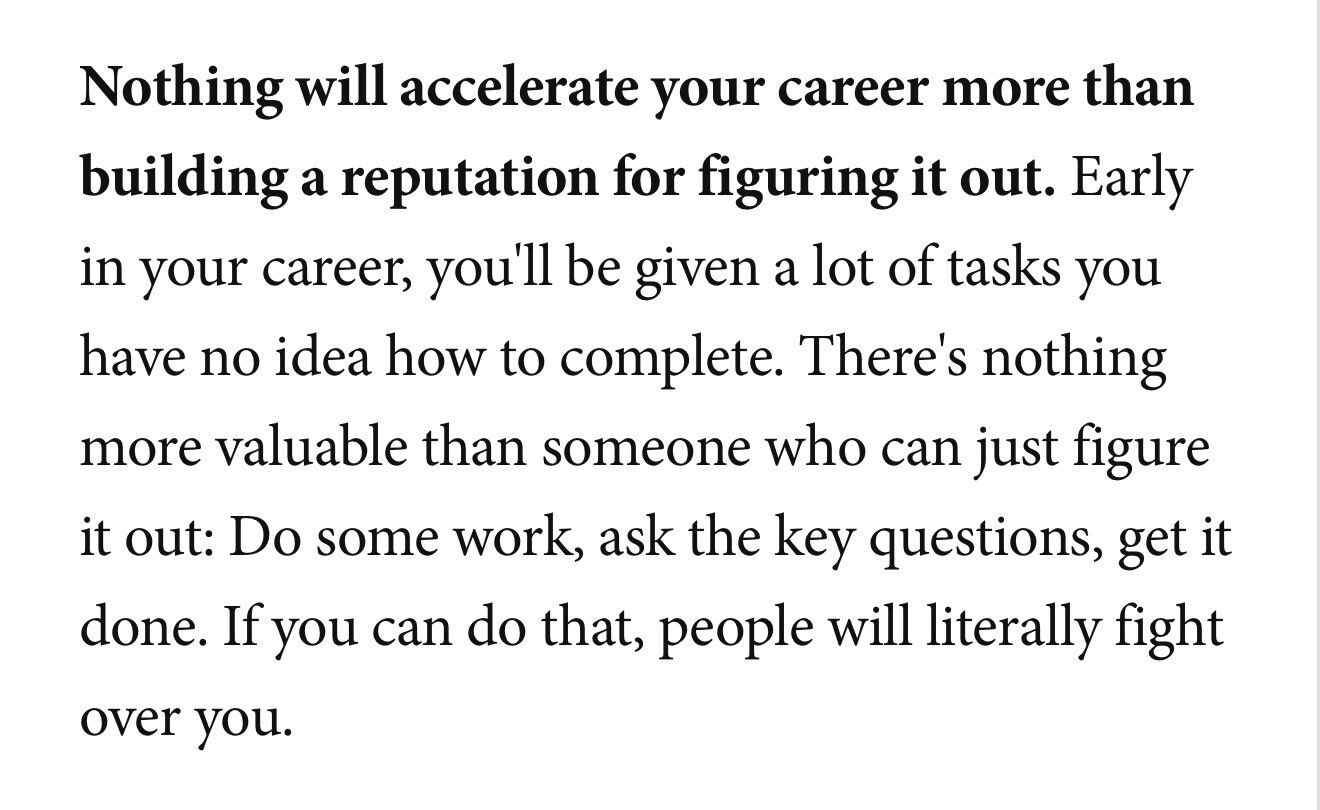
In the relentless pursuit of talent, many organizations fall into the trap of seeking the ‘perfect’ candidate – the one with a flawless resume, a deep knowledge of every required skill, and all the answers. However, a closer look at successful teams and groundbreaking innovations reveals a different, often overlooked, trait: the ability to ‘figure it out’. This is the story of how one such individual, armed with this powerful mindset, transformed a company and redefined what it means to be a valuable employee.
From ‘I Don’t Know’ to Leadership: A Hiring Revelation
The traditional hiring process often involves rigorous questioning, aiming to uncover any potential weaknesses. This was precisely the approach taken by a hiring manager who, like many, sought candidates with pre-existing expertise. The interview was going as planned until a candidate, when asked about a complex technical challenge like an API migration, responded with a simple, yet profound, statement: “I don’t know. But I’d figure it out.” For many, this would be an immediate disqualifier. Yet, something about the candidate’s conviction sparked curiosity.
The Power of Resourcefulness: A Deeper Dive
Intrigued, the hiring manager probed further, asking for an example of a time the candidate had successfully tackled the unknown. The response was compelling: the candidate had taught herself Python, without formal training or guidance, to build an inventory management system for her father’s small business. This feat, accomplished in just three weeks through sheer determination and self-directed learning, highlighted a crucial distinction. Skills can become obsolete, technologies evolve, and industries shift. But the capacity to learn, adapt, and overcome challenges – the ability to ‘figure sh*t out’ – is a timeless and invaluable asset.
Hiring for Potential, Not Just Perfection
Despite skepticism from the team, who pointed out the candidate’s lack of specific industry experience and technical stack knowledge, she was hired. Within six months, she not only mastered the company’s systems but also identified critical inefficiencies, developed solutions that generated significant annual savings, and became the go-to problem-solver for the most complex issues. This starkly contrasted with the ‘perfect’ candidates who, despite their existing knowledge, struggled to adapt when faced with novel challenges.
What ‘I’ll Figure It Out’ Truly Signifies
The phrase “I’ll figure it out” is far more than a simple statement of intent. It embodies several key qualities:
- Fearlessness of the Unknown: An acceptance that not having all the answers upfront is not a deficit.
- Proven Resilience: A track record of successfully navigating difficult situations and learning from them.
- Autonomy: The ability to work independently without constant supervision or direction.
- Problem-Solving Orientation: A focus on finding solutions rather than merely executing predefined tasks.
This skill, often underestimated, is arguably the most critical differentiator in today’s dynamic business landscape.
Shifting the Hiring Paradigm
The corporate world frequently rewards demonstrable knowledge, but the real world thrives on the ability to acquire and apply knowledge effectively. The focus in hiring should shift from what a candidate *knows* to how they *learn*. Prioritizing individuals who have a history of overcoming challenges and figuring things out over those who have simply memorized answers is a strategic imperative.
A Principle for Growth
This hiring philosophy extends beyond recruitment; it’s a fundamental principle for personal and professional growth. Embracing the ‘figure it out’ mindset empowers individuals to tackle complex problems, drive innovation, and ultimately, change the status quo. It’s about valuing potential and resourcefulness above all else.
This article is based on insights shared in an original LinkedIn post by Tim Denning.
📝 About This Content
This article is based on insights shared by Tim Denning on LinkedIn.
📅 Originally posted on October 25, 2025 | View original post on LinkedIn →