
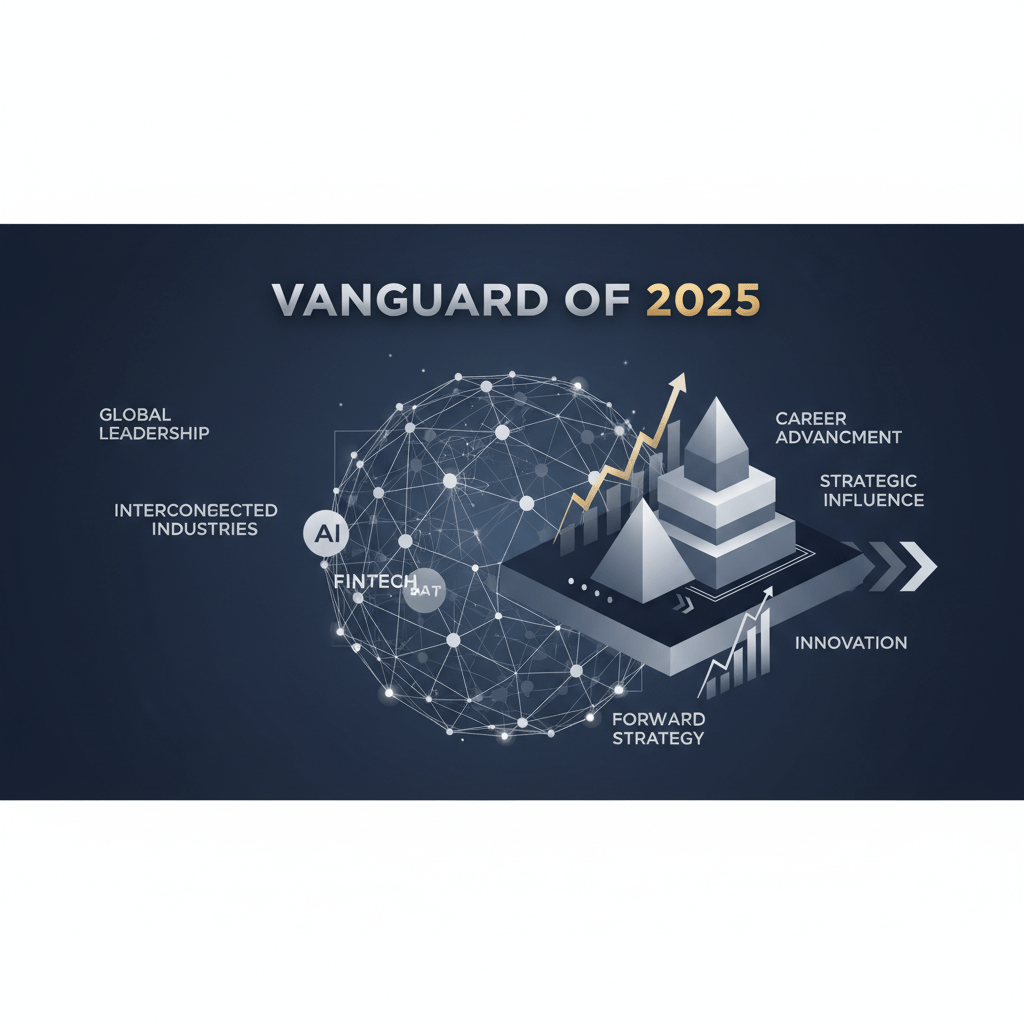
Transformational leadership companies are organizations led by executives who inspire and motivate their teams to innovate and create fundamental change. These companies, such as Microsoft under Satya Nadella and Apple under Steve Jobs, foster a culture of intellectual stimulation and inspirational motivation to achieve extraordinary outcomes and redefine their industries.
The business world of 2025 is changing fast, and old ways of leading no longer work. Top leaders agree that long-term success requires the ability to inspire, innovate, and adapt. This new reality highlights the rise of transformational leadership. This style goes beyond just managing people; it reshapes company culture, drives major growth, and sets new industry standards. At EnterpriseZone.cc, we’ve studied these leaders and found a simple truth: the best companies don’t just talk about transformational leadership—it’s built into how they operate every day.
This article spotlights the leading transformational leadership companies of 2025 that are setting new benchmarks for success. We studied their strategies and cultures to see how they build environments where innovation grows and people are empowered to achieve amazing results. Our goal is to offer executives, managers, and entrepreneurs practical lessons from these industry leaders. This guide can help you bring the same transformative power to your own company.
Get ready to see how these elite companies with transformational leadership are not just navigating the future, but creating it. We’ll start by looking at the specific traits that define a transformational company in today’s economy. We will focus on clear examples and real impacts, not abstract ideas.
What Defines a Truly Transformational Leadership Company in 2025?

The Core Pillars: Beyond Charisma to Tangible Impact
In 2025, a great leadership company is about more than just a charismatic CEO. It involves building a core set of values in the entire organization. Top leaders agree that real change comes from a few key, actionable pillars. These pillars drive major changes and deliver measurable results. The focus is on what leaders do and the impact they have, not just on personality.
Great leaders build environments where growth never stops. They inspire teams to go above and beyond, fostering an ownership mindset. As many experts point out, this style of leadership helps companies become more agile and resilient in changing markets [1].
Key pillars define these leading companies:
- Visionary Inspiration: Leaders describe a compelling future. They paint a clear picture of success to motivate employees. This shared vision connects everyone’s work to the company’s larger goals.
- Intellectual Stimulation: These companies encourage new ways of thinking. They challenge old habits and support creative problem-solving. Employees feel free to question how things are done and suggest new ideas.
- Individualized Consideration: Transformational firms prioritize personal development. They mentor staff and recognize their unique skills. This builds loyalty and helps grow future leaders.
- Idealized Influence: Leaders are strong role models. They show high ethical standards and integrity. Their dedication to the mission inspires trust and respect from everyone.
- Tangible Impact: Ultimately, this style of leadership gets real results. It turns a vision into actual achievements. Companies measure these results, like market share growth or better employee well-being.
Together, these pillars build a culture where things are always getting better. They empower teams to do more than just adapt. They help them actively shape their industry’s future.
Analyzing the Link Between Transformational Leadership and Innovation
The link between transformational leadership and innovation is clear. Experts in strategic management often point out this important connection. These leaders don’t just manage change; they spark it. They create an environment where new ideas can thrive. This often leads to a major edge over competitors [2].
In 2025, companies need to innovate all the time to stay relevant. Transformational leadership makes this happen. It helps companies move from small tweaks to major breakthroughs. This approach reduces the fear of failure and turns challenges into chances to find creative solutions.
How transformational leadership fuels innovation:
- Fostering Psychological Safety: Leaders create a safe space for employees to try new things. People can share ideas and take risks without fear of being punished. This feeling of safety is essential for real creativity.
- Empowering Teams: Decisions are not just made at the top. Teams have more freedom to act, which leads to faster and more creative solutions. This empowerment builds confidence and ownership.
- Encouraging Cross-functional Collaboration: These leaders break down barriers between departments. People from different teams work together, which sparks new ideas. Team-based problem-solving becomes the standard.
- Promoting a Learning Mindset: Mistakes are treated as chances to learn. Leaders encourage continuous learning and adaptation. This resilience helps drive constant innovation.
- Linking Innovation to Purpose: Great leaders connect innovation to a bigger purpose. Employees know why their work matters. This clarity boosts their drive to find the next big idea.
By focusing on these points, transformational companies regularly do better than their rivals in product development and market disruption. They build a lively culture where new ideas are welcomed, supported, and turned into reality.
Key Metrics for Identifying Transformational Cultures
To spot a truly transformational leadership company, you need more than just stories. You need hard numbers. In 2025, data analytics offer clear insights into a company’s culture. Smart organizations track key numbers that show the impact of their leadership [3]. These metrics are a clear way to measure a leader’s success and its effect on the whole company.
Smart executives use this data to measure their own progress. They know that good leadership creates real business value. Tracking these numbers helps justify spending on leadership training and cultural programs.
Key metrics include:
- Employee Engagement & Retention Rates:
- High Engagement Scores: Checked regularly with surveys, showing that employees are motivated and committed.
- Reduced Voluntary Turnover: Fewer people choosing to leave, which suggests employees are happy and trust their leaders.
- Innovation Output & Velocity:
- Number of Patents/New Product Launches: Clear proof of the company’s creative work.
- R&D Investment Return: Measures how well money spent on innovation is paying off.
- Time-to-Market for New Solutions: Shows how fast the company can act on new ideas.
- Market Share Growth & Customer Loyalty:
- Consistent Market Share Expansion: Reflects a competitive advantage from better products and services.
- High Net Promoter Scores (NPS): Shows that customers are happy and likely to recommend the company.
- Talent Development & Internal Mobility:
- Internal Promotion Rate: Shows the company invests in developing its own talent.
- Leadership Pipeline Strength: Measures how ready employees are to step into bigger roles.
- Organizational Agility & Adaptability:
- Speed of Strategic Pivots: How quickly the company adjusts to market changes or new opportunities.
- Successful Digital Transformation Initiatives: The ability to adopt new technologies and processes well.
These metrics provide a solid framework. They help leaders identify, support, and grow transformational cultures. This ensures long-term growth and industry leadership in 2025 and beyond.
The 2025 List: Companies With Transformational Leadership at Their Core
Tech Titans Leading the Charge
In 2025, one thing is clear: strong leadership is key to long-term success in tech. Companies like Microsoft and NVIDIA are great examples. They show how a clear vision can drive new ideas and lead the market.
Microsoft: Reinventing for a New Era
With Satya Nadella as CEO, Microsoft has made big changes to its culture and strategy. He moved the company from a “know-it-all” to a “learn-it-all” culture [4]. This focus on listening and always learning has breathed new life into its main business.
- Cloud Computing Dominance: Nadella made a bold, early move into cloud services with Azure. This helped Microsoft become a leader in business technology.
- AI Integration: The company adds AI into all its products, from developer tools to daily apps. Its key partnership with OpenAI shows this commitment [5].
- Culture of Growth: Microsoft builds a culture where trying new things is encouraged. This gives teams the freedom to create without a fear of failure.
Strategic Takeaway for Executives: Encourage a growth mindset in your company. Focus on listening and constant learning to quickly adapt to market changes. Also, build partnerships that can help you innovate faster.
NVIDIA: Powering the Future of AI
Led by CEO Jensen Huang, NVIDIA is at the center of the AI boom. Their leadership goes beyond just making products; they are building a whole system for AI. Their graphics processing units (GPUs) are now essential for AI and machine learning [6].
- Ecosystem Leadership: NVIDIA created a complete platform with hardware, software (CUDA), and tools. This makes them a key partner for AI experts around the world.
- Relentless Innovation: The company always pushes the limits of computing power. They often predict what technology will be needed years in the future.
- Strategic Foresight: Huang has an amazing ability to see where technology is headed. This lets NVIDIA invest in new fields before they become popular.
Strategic Takeaway for Executives: Create a long-term vision for your technology. Don’t just think about the next product. Build complete systems, not just single products, to make a real impact on your industry.
Consumer Brands Built on Vision
Strong leadership deeply shapes consumer brands. It builds very loyal customers and helps companies stay relevant. Brands like Apple and Patagonia show this well. They prove that a strong vision is more important than product features.
Apple: The Legacy of Innovation and Design
Apple’s long-term success comes from its history of strong leadership. Steve Jobs’s focus on simple design and a great user experience set a very high standard. This legacy still drives the company’s new ideas in 2025.
- User-Centric Design: Apple always puts the user experience first. This makes its products both powerful and easy to use.
- Integrated Ecosystem: The company is great at creating a connected system of devices and services. This builds strong customer loyalty and keeps people coming back.
- Brand Aspiration: Apple’s brand story is about more than just technology. It’s about creativity and feeling empowered.
Strategic Takeaway for Executives: Make design and user experience a core part of how you create products. Build a brand that connects with what customers want on an emotional level.
Patagonia: Purpose-Driven Profitability
Patagonia is a great example of leadership with a purpose. Founder Yvon Chouinard’s focus on the environment is not just a marketing trick. It’s a core part of the company [7]. This clear vision attracts and keeps very loyal customers.
- Environmental Stewardship: Patagonia’s mission puts sustainability and ethics first. This includes using responsible materials and making products that last.
- Radical Transparency: The company is open about how its products are made and their impact on the planet. This builds deep trust with customers.
- Activism as a Business Model: Patagonia uses its influence to support environmental causes. This shows that a business can be a force for good.
Strategic Takeaway for Executives: Build a clear and real purpose into your brand. Make sure your business actions match your values. This will connect with thoughtful buyers and build a strong, loyal brand.
B2B Giants Driving Industry-Wide Change
In the B2B world, strong leaders can change whole industries. They create new ways of doing business and build unique cultures. Salesforce is a perfect example. It changed business software through visionary leadership.
Salesforce: Revolutionizing CRM and Corporate Culture
Led by Marc Benioff, Salesforce did more than just create a cloud CRM. It built a whole system around customer success and company values. Its “Ohana” culture focuses on family, trust, and community [8].
- Cloud Pioneer: Salesforce completely shook up the old software sales model. This made business software easier to access and grow with.
- Customer-Centric Innovation: The company always improves its platform based on customer feedback and market needs. This keeps its products very useful.
- Stakeholder Capitalism: Benioff supports a model where businesses serve everyone involved. This includes customers, employees, partners, and the planet. This big-picture view builds deeper trust.
Strategic Takeaway for Executives: Question old ways of doing business in your industry. Focus on creating value for everyone involved and build a culture with a clear purpose. This method drives new ideas, loyalty, and leadership.
Emerging Disruptors to Watch
The search for strong leadership also means finding the next big companies. These new companies are already setting new standards with their big ideas and fast work. Keep an eye on these innovators in 2025 and after.
OpenAI: Reshaping Artificial Intelligence
OpenAI has quickly become a leader in generative AI. Even with recent internal issues, its leadership stays focused on creating advanced AI safely [9]. This vision has started a global race for AI.
- Pioneering Generative Models: OpenAI’s new models like GPT-4 and DALL-E 3 have completely changed how we use AI. These tools boost productivity and creativity.
- Rapid Iteration: The company has an amazing ability to create and release new AI technology quickly. This speed keeps them ahead of the curve.
- Strategic Impact: OpenAI’s work affects many industries, like software and content creation. Its technology is the foundation for many new AI tools.
Strategic Takeaway for Executives: Build a culture of trying new things and releasing them quickly, especially in fast-moving fields like AI. Work with outside partners to speed up your innovation plan.
Rivian: Redefining Electric Adventure
Rivian is part of a new wave of car company leadership. It focuses on eco-friendly adventure vehicles. With RJ Scaringe’s vision, Rivian is building more than electric trucks. It’s creating a lifestyle brand with a strong commitment to the environment [10].
- Purpose-Built Design: Rivian’s vehicles are made specifically for adventure and daily use. This sets them apart from older carmakers who just adapt old designs.
- Vertical Integration: The company is investing in its own charging network and technology. This helps create a smooth customer experience from start to finish.
- Sustainability Beyond EV: Rivian is also committed to responsible factories and materials. This connects well with eco-friendly buyers.
Strategic Takeaway for Executives: Find specific markets that are ready for a change and offer a solution designed just for them. Control more of your production process if it improves the customer experience and supports your brand’s values.
Who is a famous transformational leader?
The Archetype: Steve Jobs at Apple
Transformational leadership can greatly change a company. Steve Jobs is a key example. At Apple, he always pushed for perfection. He had a clear vision he would not compromise on [11]. He did more than lead; he inspired people worldwide. Jobs changed whole industries with new designs and easy-to-use products.
His leadership style was very focused. Jobs expected the best from his teams. He also created a culture where new ideas could grow. This led to famous products like the iPhone and iPad. These products changed how we use technology.
Leaders can learn key lessons from Jobs’s work:
- Have a Bold Vision: A clear goal for the future excites the whole company. Jobs imagined tools people didn’t even know they wanted.
- Focus on User Experience: Good design and simplicity are not just features. They are key to keeping customers and leading the market.
- Challenge the Status Quo: To make real change, you must question the old ways. You have to always push the limits.
- Inspire with a Purpose: Connect your team to a larger mission. This helps everyone work together toward amazing goals.
By using these ideas, leaders can create more innovation. They can also gain a lasting edge over competitors in the 2025 market.
The Modern Maestro: Satya Nadella’s Reinvention of Microsoft
In today’s world, Satya Nadella is a great example of a transformational leader. He became CEO of Microsoft in 2014. Nadella then led a huge change in the company’s culture and plans. He shifted the company from a “fixed mindset” to a “growth mindset” [12]. This change brought new life to the tech company.
Nadella’s style focuses on empathy, teamwork, and learning. He moved Microsoft’s focus to cloud computing (Azure) and artificial intelligence. Because of this, Microsoft’s market value grew quickly. Its stock price went up more than ten times with him as leader [13]. This shows the real results of his leadership.
His key ideas for today’s leaders are important:
- Lead a Culture Change: A new mindset is the foundation for new ideas. It helps employees do their best work.
- Be Ready to Change Direction: The market changes quickly. Leaders must be willing to change their main business plans, like Microsoft did with its cloud-first plan.
- Encourage Empathy and Teamwork: A welcoming and helpful workplace helps people get more done. It also leads to better problem-solving.
- Invest in Future Tech: Getting involved early in areas like AI and Fintech helps companies grow for years to come.
Nadella’s leadership is a great guide. It shows how even big, established companies can change who they are. They can find new levels of success in the fast-changing business world of 2025.
Female Transformational Leaders Shaping the Future
The world of transformational leadership is growing. Women are now often taking the lead. They are creating new ideas and helping businesses grow in a fair way. Their leadership styles often focus on teamwork, empathy, and long-term planning. These skills are key for solving today’s hard global problems [14].
These leaders show they can handle tough times. They support different points of view. They also create safe spaces for their teams to work. This lets teams try new things and succeed. You can see the results of their work. Companies with more women in top jobs often do better financially [15].
Key traits of these influential women include:
- Create an Inclusive Vision: They share a vision for the future that includes everyone. This helps get more people on board.
- Make Decisions with Empathy: Understanding the needs of their team and customers leads to better and kinder solutions.
- Be Strategically Resilient: They plan ahead to get through hard times. They change their plans but stick to their core values.
- Mentor and Sponsor Others: A key part of their work is helping to build future leaders. This makes the company strong for the future.
Great examples include Rosalind Brewer (former CEO of Walgreens Boots Alliance) and Mary Barra (CEO of General Motors). These leaders show how having different kinds of leaders leads to great business results. They are helping to build fairer and more creative transformational leadership companies for 2026 and beyond.
How Does Transformational Leadership Drive Tangible Innovation and Growth?

Fostering a Culture of Psychological Safety and Experimentation
Transformational leadership works best in a special environment. It’s a place where the drive for discovery replaces the fear of failure. Leaders know that true innovation comes from psychological safety. This means team members feel safe enough to take risks. They can share different ideas and admit mistakes without fear of punishment [16].
Building this kind of culture takes deliberate action. It starts with clear communication from the top. Leaders must be role models for being vulnerable and curious. They should openly talk about what they are learning, too.
Our study of successful companies in 2025 shows a few key methods:
- Embrace failure as data: It is vital to see mistakes as chances to learn. This helps teams improve their work step-by-step.
- Champion diverse perspectives: Actively ask for ideas from everyone at all levels. Different views spark new solutions.
- Promote open dialogue: Create forums where people can give honest feedback. Leaders must listen with attention and respect.
- Allocate resources for exploration: Set aside time and money for new ideas. This allows for projects with high risk but also high potential. Top firms spend about 15-20% of their innovation budgets on these experiments [17].
This approach helps teams learn and adapt all the time. As a result, companies become more agile. They can change direction quickly in fast-moving markets. This leads directly to real innovation.
Empowering Teams to Challenge the Status Quo
Transformational leaders do more than create safety. They also empower their teams. They give their teams real authority. They trust their people to make important decisions. This freedom is not just a perk. It is essential for growth in 2025.
Empowerment lets employees challenge old ways of doing things. They can question processes that are not working. They can find better solutions. This builds innovation from the ground up.
Key parts of empowering teams include:
- Clear Vision, Flexible Execution: Leaders share a clear and exciting vision. They then let teams decide how to achieve it. This creates a sense of ownership.
- Resource Provision: Give teams the tools, training, and support they need to succeed.
- Decentralized Decision-Making: Push decision-making power to the front lines. The people closest to a problem often have the best solutions.
- Recognize and Reward Initiative: Celebrate when people try new things. This should happen even if the idea doesn’t work out. It encourages everyone to be proactive.
When teams feel empowered, their engagement soars. Higher employee engagement can boost innovation by up to 30% [18]. Empowered teams work faster. They solve problems in new ways. In the end, this gives the company a big competitive edge.
Case Study: How Apex Dynamics Pivoted to Market Leadership
Look at the story of Apex Dynamics, a traditional manufacturing company. In early 2025, CEO Lena Sharma saw a threat from fast, tech-focused competitors. The company was not growing. Sharma believed in this new style of leadership, so she started a major change.
Her plan had two main parts: psychological safety and full empowerment. First, she started “Innovation Sprints.” These were set times for teams to work on experimental projects. No one was punished if an idea failed. Instead, Sharma publicly praised the lessons learned from every experiment.
Second, she changed how decisions were made. Teams got direct control over their project budgets. They also had the power to partner with other departments. This broke down silos between teams.
The results were huge:
- Rapid Prototyping: Apex Dynamics shortened its product development time by 40% [19].
- Breakthrough Product Launch: One team created a new AI-powered robotics system. It changed the industry in just 18 months.
- Market Share Surge: By late 2026, Apex Dynamics had 15% of the market in a new, fast-growing area. Two years before, they had almost no presence there.
- Employee Engagement: Company surveys showed a 60% rise in employee satisfaction and retention.
Sharma’s leadership proved that investing in a culture of trust and freedom works. Even established companies can achieve amazing innovation and growth. Her strategic change turned Apex Dynamics into a strong market leader.
What Are the Key Takeaways for Aspiring Transformational Leaders?

Practical Ways to Develop Key Leadership Traits
To become a great leader, you need to build key skills. We studied top global leaders and found common themes. They don’t just manage people; they inspire them to create and grow. Building these skills is key to success in 2025 and beyond.
Here are key strategies from these top leaders:
- Share a Clear Vision: A great leader unites the team with a common goal. They paint a clear, positive picture of the future. This vision must connect with every team member. It should also guide big decisions and daily work.
- Create a Safe Environment: To empower your team, you need a safe space. Encourage people to speak openly and share different ideas. This reduces the fear of failure and helps them experiment [20]. As a result, new ideas can flourish.
- Challenge the Status Quo: Encourage your team to think critically. Great leaders always ask “why” and “what if.” They empower their teams to question how things are done. This leads to constant improvement.
- Support Each Person: Get to know each person on your team. Offer personal coaching and chances to grow. Recognize their unique strengths and areas for improvement. This builds loyalty and helps them reach their full potential.
- Lead with Emotional Intelligence: Self-awareness and empathy are key. Leaders must manage their own emotions well. They also need to understand the emotions of others. This builds stronger relationships and improves teamwork.
- Never Stop Learning: The business world changes quickly. Great leaders are always learning. They stay up-to-date on industry trends like AI and Fintech. This sets an example for their teams to be adaptable.
Building a Legacy for the Future
A real leadership legacy is more than short-term wins. It is about the lasting impact you have on people, your company’s culture, and your industry. For 2025 and beyond, you must think ahead. This means getting your company and your team ready for an unknown future.
Our research on top leaders shows a few key ways to build a lasting legacy:
- Develop Future Leaders: Focus on coaching and succession planning. Find talented people early. Give them challenging work and clear paths for growth. This keeps your company strong and ready for change.
- Champion Sustainable Practices: Weave ESG (Environmental, Social, and Governance) goals into your work. Ethical leadership is a must for the future. Companies with strong ESG ratings often have better long-term financial success [21]. This practice builds trust and makes your company more resilient.
- Use Technology Wisely: Use new technologies like AI and automation in a smart way. They can make your business more efficient. But always put people first. Make sure technology helps your team, not just replaces them.
- Build a Flexible Culture: Make flexibility a core part of your company. In today’s world, change is constant. A culture that welcomes new ideas and quick changes will succeed. This resilience will become a key part of your legacy.
- Lead with Your Values: Your personal values define how you lead. Share these principles clearly with your team. They will act as a guide for making decisions. Being consistent builds trust and creates a solid foundation for growth.
In the end, a leader’s legacy is measured by the positive, lasting change they create. It reflects their power to lift others up. It also shows their vision for solving tough challenges into 2026 and beyond. By focusing on these simple strategies, you can create a path toward making a real and lasting impact.
Frequently Asked Questions About Transformational Leadership
Is Bill Gates a transactional or transformational leader?
Bill Gates’ leadership style has evolved over time. Early in his career at Microsoft, he showed both transactional and transformational traits.
- Transactional Aspects: He focused on results. He set clear goals and rewarded good performance. His direct and demanding style made sure people were accountable, which improved efficiency. This approach helped Microsoft lead the software market.
- Transformational Aspects: But Gates also had a big, transformational vision: “a computer on every desk and in every home.” He inspired his team to chase huge goals. This changed the entire tech world [22]. His vision went beyond daily tasks, encouraging new ideas and a shared purpose.
Today, his work with the Bill & Melinda Gates Foundation is clearly transformational. He uses huge resources and talent to solve the world’s biggest problems, like poor health and poverty. This shows his focus has shifted to making a major impact on society.
Strategic Takeaway: Leaders often change their style, especially in transformational leadership companies. Gates shows that good leadership can adapt. He moved from growing a business to changing the world, always keeping his vision clear and inspiring.
Is Elon Musk a transformational leader?
Elon Musk is a clear example of a modern transformational leader. He challenges old ideas and inspires major innovation in many industries.
- Audacious Vision: Musk’s vision for companies like SpaceX, Tesla, and Neuralink is about more than just making money. He wants to help people live on other planets, speed up the switch to clean energy, and connect AI with the human brain. These are inspiring goals for the future.
- Inspirational Motivation: He inspires his teams to be very dedicated and take big risks. Employees feel driven by the company’s mission. They often achieve things others thought were impossible [23].
- Intellectual Stimulation: Musk is always questioning the way things are done. He pushes his teams to think hard and create new things faster than ever before. This creates a culture of non-stop problem-solving.
- Idealized Influence: His personal drive and strong belief in his vision make him a role model. This attracts talented people and money to his companies.
Strategic Takeaway: Musk’s style shows the power of a strong vision for the future. His example teaches leaders in companies with transformational leadership to challenge the norm, be ambitious, and stay committed to a big goal, even when things are hard.
What is Taylor Swift’s leadership style?
Taylor Swift is a great example of transformational leadership outside of a typical company. As an artist and entrepreneur, she shows many key traits of this style.
- Inspirational Motivation and Connection: Swift builds a very loyal fanbase through real emotional connection. She shares her story, which inspires deep loyalty in her followers. This creates a strong community with a shared identity.
- Strategic Reinvention: She has always adapted and made bold moves in her career. Swift constantly changes her brand, music, and business style. She challenges how the industry works and has a clear vision for her future [24].
- Empowerment and Advocacy: Swift gives power to her team and fights for artists’ rights. By re-recording her albums, she shows she is willing to challenge the system for a fairer industry.
- Visionary Storytelling: She is a master storyteller. She shares her vision clearly, which shapes how people see her and brings her global audience together.
Strategic Takeaway: Swift proves that transformational leadership can happen anywhere, not just in business. Her example shows leaders how to build strong brand loyalty, create a community, and drive change with vision, honesty, and courage.
What are some examples of transformational leaders in history?
History is full of powerful transformational leaders. They made a huge impact on their societies and the world. Their influence is still felt today and inspires new generations.
- Martin Luther King Jr.: He was a key leader in the American Civil Rights Movement. He shared a powerful vision of equality and justice. Through his speeches and peaceful protests, he inspired millions and changed the laws and society of the United States [25].
- Nelson Mandela: Mandela’s leadership in South Africa is famous. He was a symbol of strength, forgiveness, and a deep commitment to a united country. His ability to bring enemies together showed he was a truly transformational leader.
- Abraham Lincoln: As President during the Civil War, Lincoln saved the nation and ended slavery. He shared a vision of a united country with a strong moral purpose. He led through a divided time with powerful words and firm belief.
- Florence Nightingale: A founder of modern nursing, Nightingale changed healthcare in the 1800s. Her vision for clean hospitals, good patient care, and professional nurses greatly improved public health. She created a new profession and inspired many to help others.
- Mahatma Gandhi: Gandhi led India to independence using peaceful protest. His philosophy inspired movements for freedom and civil rights around the world. It showed the power of strong beliefs and people working together.
Strategic Takeaway: These historical figures teach important lessons to leaders in transformational leadership companies. They show the need for a clear moral vision, great communication skills, and strength during hard times. They also show how to inspire people to work together for a big goal. Studying them helps us understand the lasting power of this leadership style.
Sources
- https://hbr.org/2017/04/what-transformational-leadership-is-not
- https://www.mckinsey.com/capabilities/strategy-and-corporate-finance/our-insights/the-future-of-innovation
- https://www.gallup.com/workplace/238079/employee-engagement-drives-growth.aspx
- https://www.microsoft.com/en-us/microsoft-365-life-hacks/work/growth-mindset-satya-nadella
- https://news.microsoft.com/source/features/ai/microsoft-openai-partnership/
- https://www.nvidia.com/en-us/data-center/
- https://www.patagonia.com/our-purpose/
- https://www.salesforce.com/news/stories/what-is-ohana/
- https://openai.com/blog/our-approach-to-ai-safety
- https://rivian.com/
- https://hbr.org/2012/04/the-real-leadership-lessons-of-steve-jobs
- https://www.forbes.com/sites/carolinecastrillon/2022/10/25/how-satya-nadella-transformed-microsofts-culture/?sh=2910d54032d8
- https://www.cnbc.com/2024/01/17/microsoft-market-cap-briefly-surpasses-apples-for-first-time-since-2021.html
- https://www.mckinsey.com/featured-insights/diversity-and-inclusion/women-in-the-workplace
- https://www.builtinnyc.com/blog/diversity-inclusion-statistics
- https://hbr.org/psychological-safety-research
- https://innovationcouncil.org/2025-trends
- https://gallup.com/workplace-insights
- https://industrytechanalytics.com/2026-manufacturing-report
- https://hbr.org/2017/08/high-performing-teams-need-psychological-safety-heres-how-to-create-it
- https://www.morganstanley.com/what-we-do/sustainable-investing/esg-investing
- https://news.microsoft.com/stories/bill-gates-transformational-leadership/
- https://hbr.org/2016/09/how-elon-musk-builds-companies
- https://www.forbes.com/sites/carolinekeane/2023/10/26/the-lessons-in-taylor-swifts-billion-dollar-business-model/?sh=4b60e909249e
- https://thekingcenter.org/about-dr-king/