
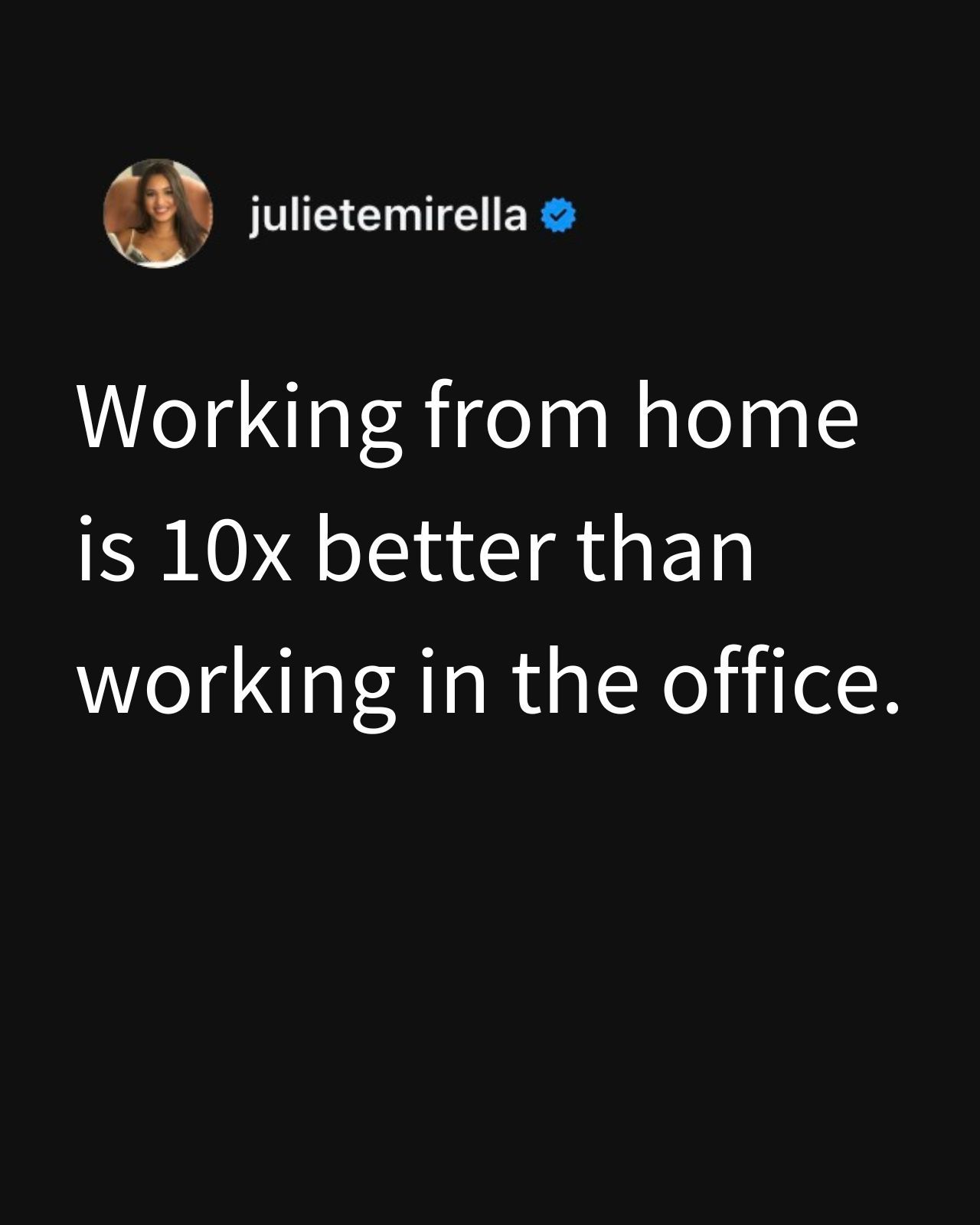
In a recent LinkedIn post, Tim Denning argues that working from home is not merely a perk but the most sensible approach to modern life, challenging the traditional office model. Denning, who previously spent over a decade commuting and enduring long office hours, shares his transformative experience after being laid off and subsequently working remotely.
The Personal Transformation of Remote Work
Denning recounts a decade of early mornings, lengthy commutes, and unproductive meetings, describing how his energy was depleted by the time he returned home. He reflects on a time when this routine seemed normal, despite widespread complaints, because it was the accepted standard. His perspective shifted dramatically after losing his job, forcing him into remote work out of necessity.
The immediate impact, as Denning highlights, was a significant increase in productivity. He observed that he could accomplish in four hours at home what previously took eight in an office setting. This was attributed to the elimination of constant interruptions, pointless meetings, and the energy drain from commuting and office politics.
Working from home isn’t a perk. It’s the only sane way to live.
Beyond Productivity: The Impact on Life Outside Work
However, Denning emphasizes that the most profound changes were not in work output but in his personal life. He details the ability to share breakfast with his wife, take midday walks, and be fully present for his daughter’s milestones. These moments, he contends, would have been impossible if he were still tied to an office.
The argument for offices is usually about collaboration and culture. But most office collaboration is just people interrupting each other. Most office culture is just forced proximity.
He critically examines the common justifications for office environments, such as collaboration and culture. Denning asserts that much of what passes for office collaboration is merely disruptive, and office culture is often a result of enforced proximity rather than genuine connection. True collaboration, in his view, flourishes when individuals are well-rested, focused, and genuinely engaged, conditions more easily met outside the traditional office structure.
Challenging the Office Paradigm: Control vs. Performance
Having worked from home for five years and built a seven-figure business while writing daily and maintaining family presence, Denning questions the fundamental purpose of the office. He posits that the insistence on physical presence in an office is less about productivity and more about corporate control.
Companies want to see you sitting in a chair because it makes them feel like they’re getting their money’s worth. But presence isn’t performance. Hours in a building don’t equal results.
As Tim Denning concludes, the focus on hours spent in a building does not equate to tangible results. He encourages those with the option to work from home to protect it and advises those without this flexibility to pursue opportunities that offer such freedom. His overarching message is that one’s most productive and fulfilling years should not be consumed by commuting.
📝 About This Content
This article is based on insights shared by Tim Denning on LinkedIn.
📅 Originally posted on April 14, 2026 | View original post on LinkedIn →