
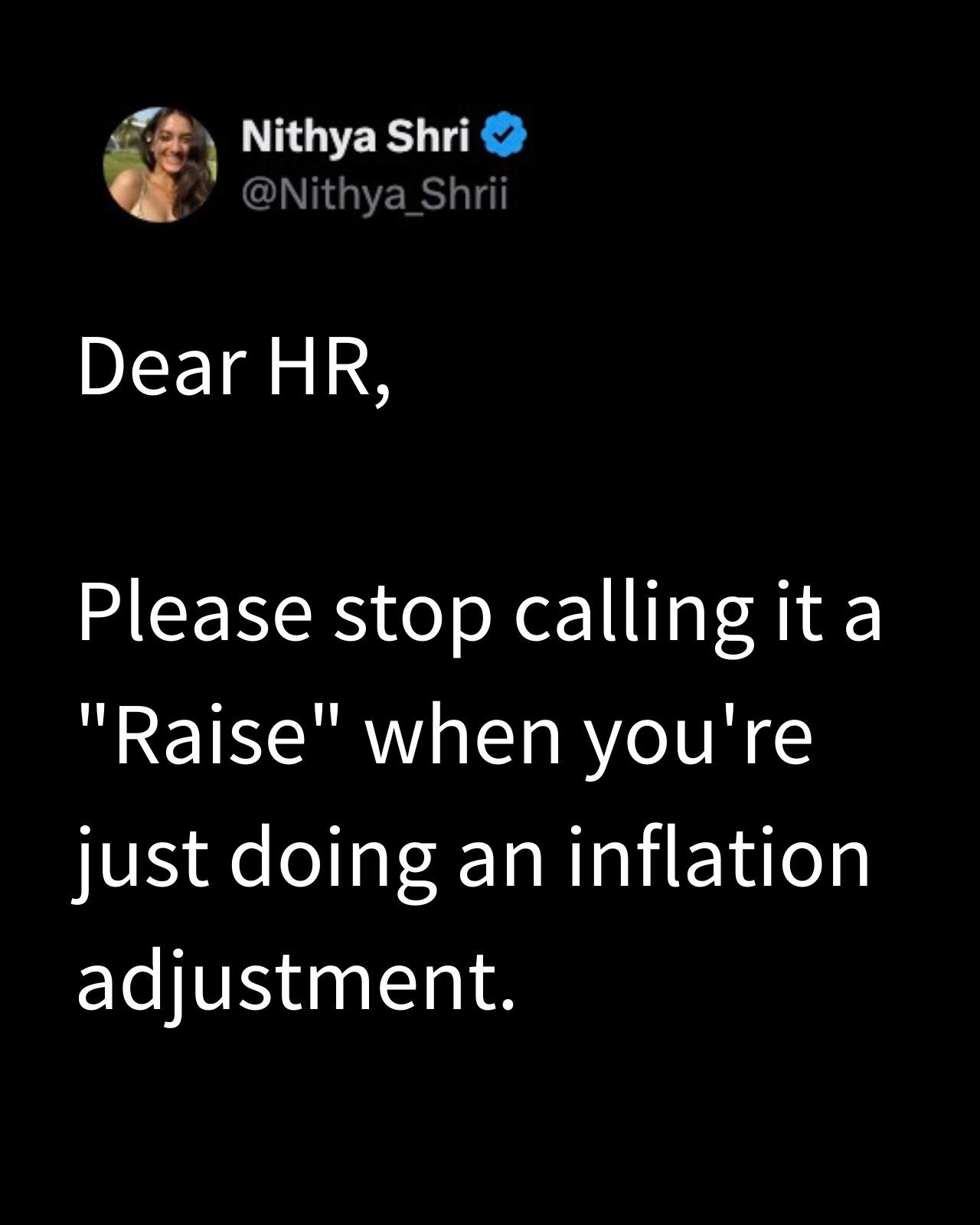
In a recent LinkedIn post, Tim Denning critically examines the nature of annual raises in traditional employment, arguing that modest percentage increases, often below inflation, are not genuine rewards but rather a way to maintain the status quo. Denning recounts his personal experiences in corporate banking, where he observed that annual salary adjustments often failed to keep pace with the rising cost of living.
Denning vividly describes his own experience during an annual review, highlighting the disconnect between the perceived ‘reward’ and the financial reality. He writes:
“I looked at the number. 2.8%. Inflation that year was 3.1%. I did the quick math in my head. This wasn’t a raise. This was a pay cut dressed up in corporate language.”
This personal anecdote serves as the foundation for his broader critique of corporate compensation practices. Denning points out the perceived dishonesty in how these adjustments are presented to employees.
The Illusion of Progress
Tim Denning argues that the corporate system is often designed to make employees feel grateful for minimal gains, while their actual purchasing power may stagnate or decline. He contrasts the corporate framing of these adjustments with a more honest approach.
As Denning notes:
“If they said ‘we’re adjusting your salary to keep pace with inflation’ I could respect that. At least it would be honest. But calling it a raise implies you’re being rewarded for your work. It implies you’re moving forward.”
He likens this situation to running on a treadmill, where progress is implied but actual forward movement is minimal. According to Denning, true progress in income is only typically achieved through job changes or promotions, rather than through standard annual increases within the same role.
Redefining ‘Real Raises’
Denning’s perspective on what constitutes a ‘real raise’ is centered on tangible improvements in lifestyle and increased purchasing power. He suggests that a genuine raise occurs when income growth outpaces inflation and other rising expenses, allowing for an improved standard of living year over year.
He elaborates on this distinction:
“Real raises are when your income grows faster than everything else. When your lifestyle actually improves. When you can afford things this year that you couldn’t last year.”
This definition challenges the conventional understanding of annual salary increases within many organizations. Denning contends that the prevailing system aims to keep employees in their current financial positions while fostering a sense of appreciation for minor adjustments.
Taking Control of Income
The catalyst for Denning’s clarity on this issue was his experience of being fired. This event, he explains, prompted him to take direct control over his income generation. Instead of relying on corporate reviews, he now focuses on providing value and commanding higher compensation based on his own efforts.
He concludes his post with a call to action for employees to reassess their compensation. Denning advises against accepting nominal increases as genuine rewards, especially when they fall short of inflation rates. He encourages readers to either negotiate for substantial pay increases or to explore avenues, such as building their own ventures, where they have more direct control over their earnings potential.
Denning directly challenges companies that offer small percentage increases, stating:
“If your company is giving you 2-4% and calling it a raise, they’re not rewarding you. They’re hoping you’re bad at math.”
His central message is a call for financial literacy and proactive career management, urging individuals to seek compensation that truly reflects their value and contributes to genuine financial progress.
📝 About This Content
This article is based on insights shared by Tim Denning on LinkedIn.
📅 Originally posted on April 18, 2026 | View original post on LinkedIn →