
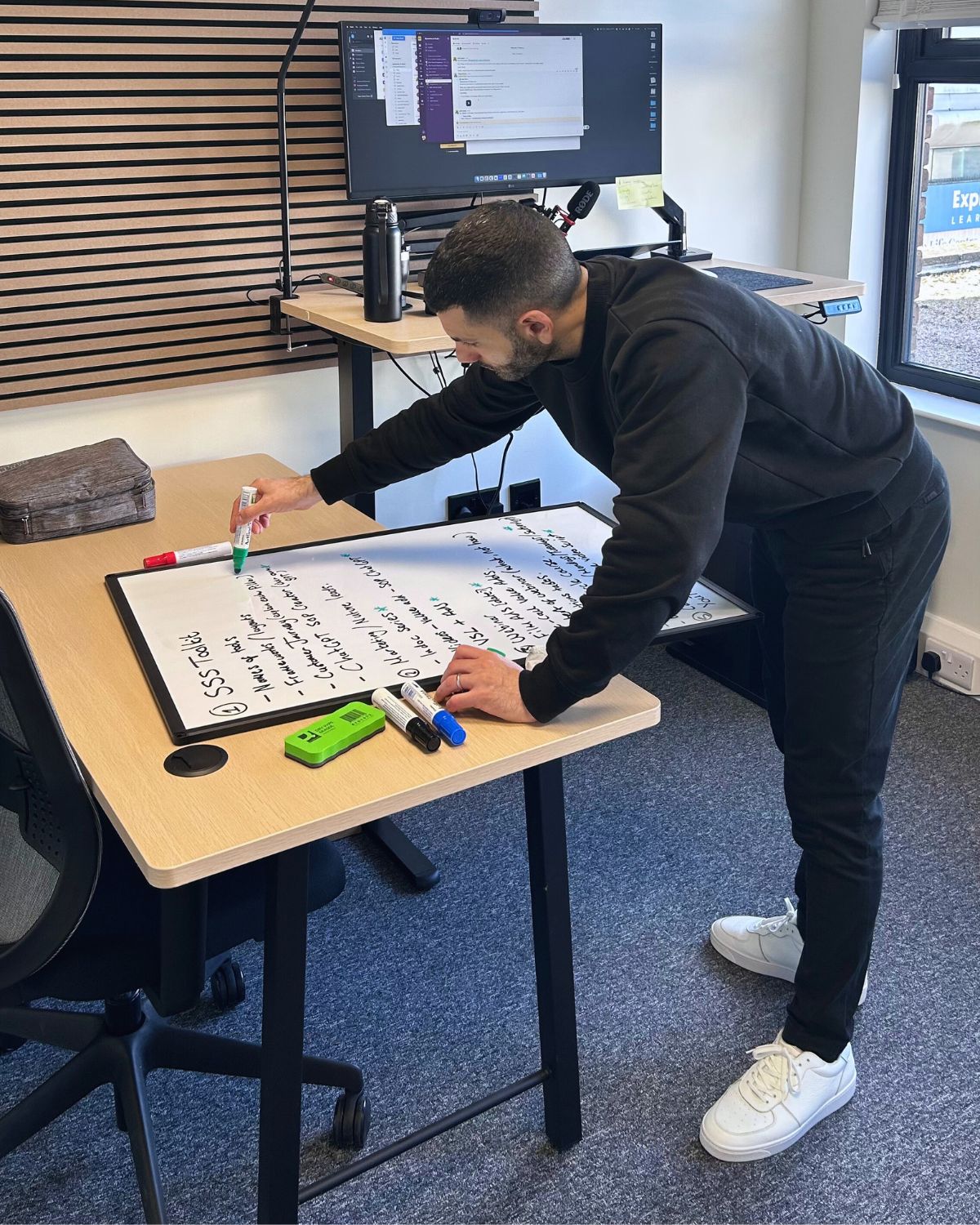
In a recent LinkedIn post, John Castro discusses how business owners can elevate their team meetings from mere status updates to productive strategy sessions. Castro emphasizes the goal of having every attendee leave a meeting with a clear understanding of their next steps, fostering real-time decision-making and shifting the room’s energy from passive to active.
Castro warns of the risks associated with unproductive meetings, stating:
“Or you risk wasting hours every week while your team checks out mentally.”
He outlines four key strategies to transform these critical business interactions.
Prioritizing Critical Issues First
John Castro suggests a shift in how agendas are structured. Instead of a linear progression, he advocates for leading with the most crucial issues or decisions. While maintaining an agenda is still important, tackling the most critical points first ensures that high-priority items receive immediate attention and are not sidelined.
Rethinking Pre-Written Updates
A significant point Castro raises is the consideration of banning pre-written updates. He posits that if a status update can be effectively communicated via email or a pre-recorded video message (like Loom), it may not warrant the time and collective attention of a live meeting. This approach aims to reserve meeting time for discussions that genuinely require real-time interaction and collaborative problem-solving.
As Castro notes:
“If someone can email or Loom it, you probably don’t need the meeting.”
Fostering Momentum Through Decisions
Castro recommends trying to make at least one decision in every meeting, regardless of its size. He argues that this practice is crucial for building momentum and reinforcing accountability within the team. Even small decisions, when made consistently, can create a sense of progress and encourage proactive engagement.
Assigning Ownership Over Tasks
A core tenet of Castro’s advice revolves around how meeting outcomes are documented and actioned. He suggests ending meetings by assigning owners rather than just listing tasks. According to Castro, the question “Who owns this?” is often more impactful and leads to clearer accountability than simply stating “What needs to happen?”
Castro elaborates on the impact of these strategies:
“The difference between good meetings and great ones isn’t just structure. It’s the discipline to protect everyone’s time and energy.”
He shares that he has personally applied this approach with his team and clients, observing a reduction in post-meeting back-and-forth and a clearer definition of ownership across the team.
Castro concludes by inviting engagement, asking business owners about their own effective meeting rules and encouraging them to follow his work for more insights on scaling businesses efficiently.
📝 About This Content
This article is based on insights shared by John Castro on LinkedIn.
📅 Originally posted on February 2, 2026 | View original post on LinkedIn →