
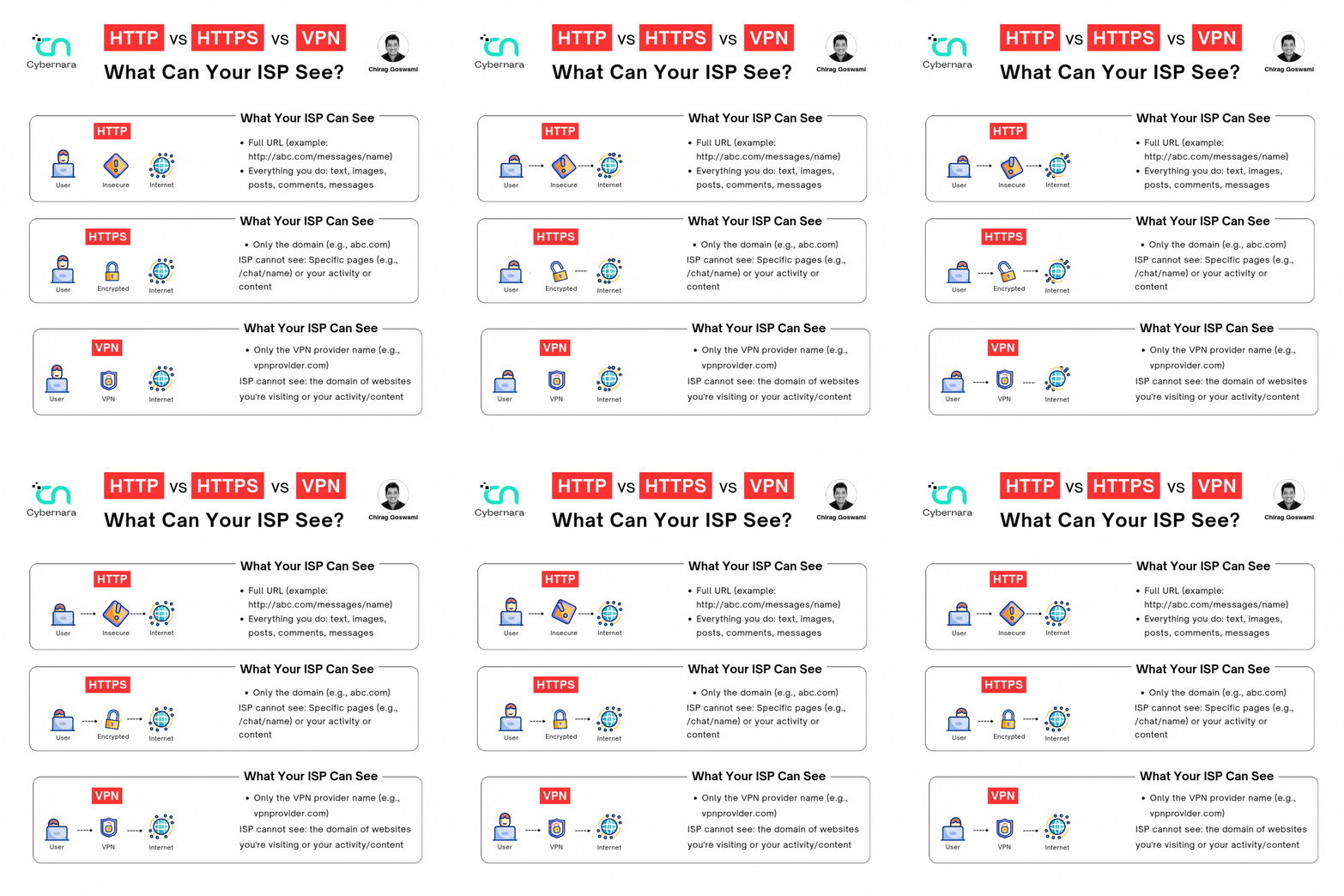
In a recent LinkedIn post, Chirag Goswami sheds light on what Internet Service Providers (ISPs) can actually see when users browse the web, debunking common misconceptions about online privacy tools.
Goswami emphasizes that the perceived anonymity of “Incognito Mode” is largely a myth when it comes to ISP visibility. He breaks down the different levels of visibility an ISP has based on the type of connection a user employs: HTTP, HTTPS, and VPN.
“Most people think “Incognito Mode” hides everything — but your ISP still sees far more than you realise.”
The Nuances of Internet Traffic Visibility
According to Goswami, the level of detail an ISP can access varies significantly depending on the security protocols in place. For standard HTTP connections, the visibility is nearly absolute.
HTTP: Unencrypted Browsing
Chirag Goswami explains that with HTTP, ISPs can monitor a vast amount of user activity. “Your ISP sees everything: full URLs, pages you visit, messages, forms, images, comments… all in plain text,” he states, highlighting the inherent lack of privacy in unencrypted browsing.
HTTPS: Encrypted Connections
Goswami points out that the widespread adoption of HTTPS significantly enhances user privacy from ISP observation. While the ISP can still see the domain name of the website visited, the specific pages and content remain hidden. “Your ISP sees only the domain (example: abc.com). They cannot see the page you opened or the content you viewed,” Goswami clarifies.
VPN: Enhanced Anonymity
The use of a Virtual Private Network (VPN) offers an even greater layer of privacy, according to Goswami. When a VPN is active, the ISP’s visibility is limited to the fact that a VPN connection is established. “Your ISP sees only that you connected to a VPN provider — nothing beyond that. They cannot see which websites you visit or what you do on them,” Goswami notes.
Why This Visibility Matters
Chirag Goswami underscores the critical importance of understanding these distinctions for several key reasons:
- Privacy: The fundamental right to browse the internet without constant surveillance.
- Advertiser Data Collection: Limiting the amount of personal data available to advertisers.
- Public Wi-Fi Security: Reducing exposure when using potentially untrusted networks.
- Overall Browsing Safety: Ensuring a more secure online experience.
Goswami strongly advocates for proactive security measures based on these insights. “Always use HTTPS by default. Use a VPN when you need stronger privacy or when working on untrusted networks,” he advises.
The post concludes with a mention of Goswami’s work at Cybernara, where they focus on building secure environments. This practical application of cybersecurity principles reinforces the importance of the privacy measures he advocates.
📝 About This Content
This article is based on insights shared by Chirag Goswami on LinkedIn.
📅 Originally posted on December 5, 2025 | View original post on LinkedIn →