
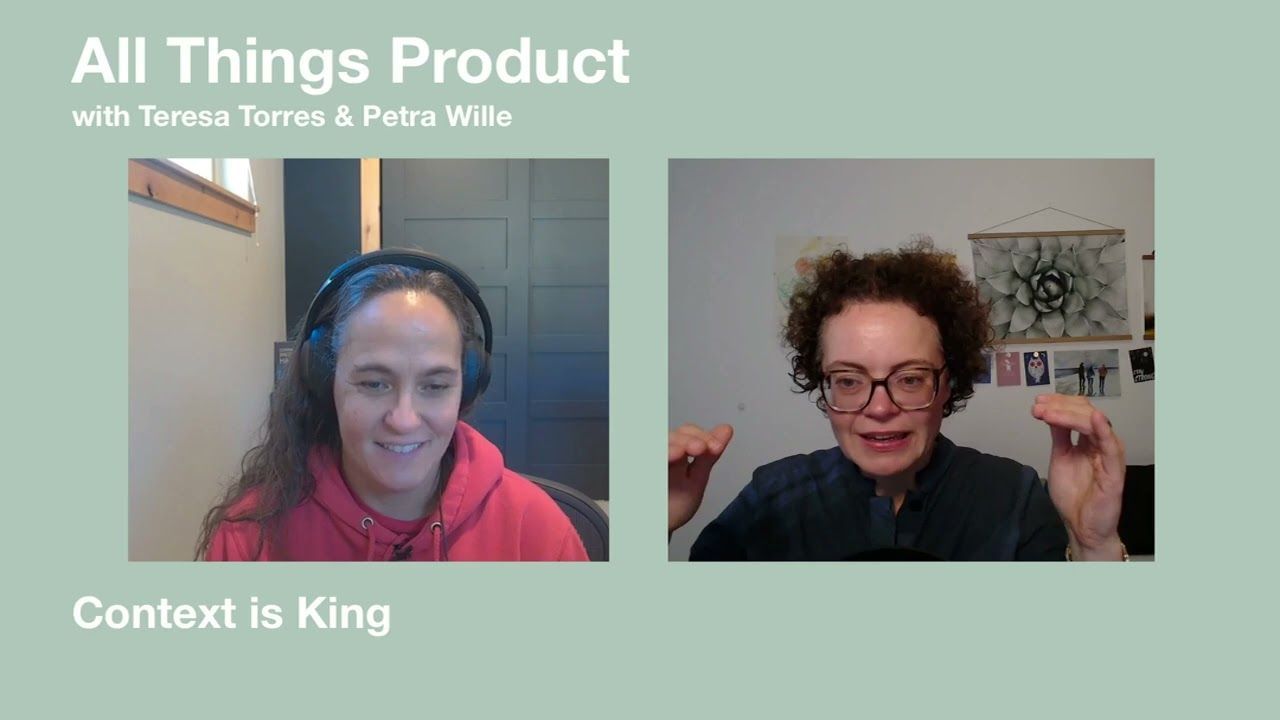
In the rapidly evolving landscape of artificial intelligence, a fundamental principle often overlooked is the critical importance of context. As highlighted in a recent discussion featuring product expert Teresa Torres and Petra Wille on the ‘All Things Product’ podcast, the effectiveness of AI in product management hinges almost entirely on the quality and quantity of context provided. This episode dives deep into why ‘context is king’ and offers practical strategies for product leaders to prepare their teams for seamless AI collaboration.
The AI Conundrum: Why Outputs Fail Without Context
Many AI-generated outputs fall short of expectations not due to the AI’s limitations, but because of insufficient context. Without a clear understanding of the background, objectives, and constraints, AI systems can produce irrelevant, inaccurate, or even detrimental results. Torres and Wille draw a compelling analogy: thinking of AI as onboarding a new intern. Just as an intern needs a thorough briefing on company history, industry dynamics, and strategic goals, AI requires a similar level of detailed information to perform effectively.
Preparing for AI Collaboration: Practical Steps for Product Leaders
The transition to AI-assisted product management doesn’t have to be an overnight overhaul. Product leaders can begin laying the groundwork today by implementing several key practices:
1. Documenting Decisions: The Power of Decision Logs
Maintaining detailed decision logs is crucial. These logs serve as a historical record of why certain choices were made, what alternatives were considered, and what outcomes were expected. This documented rationale provides invaluable context for AI systems, enabling them to understand the underlying logic behind product strategies and decisions.
2. Defining Success: Machine-Readable Context and Metrics
To ensure AI can effectively contribute, context needs to be not just available, but also understandable by machines. This involves designing and documenting context in a structured, machine-readable format. Clearly defining success metrics for product initiatives is a vital part of this process. When AI understands what success looks like, it can better align its outputs and recommendations towards achieving those goals.
3. Balancing Contextual Depth
A key challenge is providing AI with enough context to be useful without overwhelming it. The goal is to achieve the ‘minimum effective context’ – the precise amount of information needed for the AI to perform its task efficiently and accurately. This requires a strategic approach to documentation and information sharing, focusing on relevance and clarity.
Leveraging Existing Leadership Skills for AI Integration
The skills product leaders already possess for managing human teams are directly transferable to managing AI agents. Just as leaders provide strategic context, clarify goals, and set guardrails for their teams, they will need to do the same for AI. The core principles of clear communication, strategic alignment, and effective guidance remain paramount, regardless of whether the collaborator is human or artificial.
Starting Small, Thinking Big
Even if an organization is not yet implementing AI at scale, the time to prepare is now. By starting small with practices like documenting decisions and structuring information, product teams can build a strong foundation. This proactive approach ensures readiness for future AI adoption and fosters a culture of clear, documented decision-making that benefits both human and AI collaborators.
The ‘All Things Product’ episode offers a timely and practical guide for product leaders navigating the integration of AI. By prioritizing context, product teams can unlock the true potential of AI, transforming how products are conceived, developed, and managed.
This article is based on insights shared by Teresa Torres and Petra Wille on the ‘All Things Product’ podcast.
📝 About This Content
This article is based on insights shared by Teresa Torres on LinkedIn.
📅 Originally posted on October 28, 2025 | View original post on LinkedIn →