
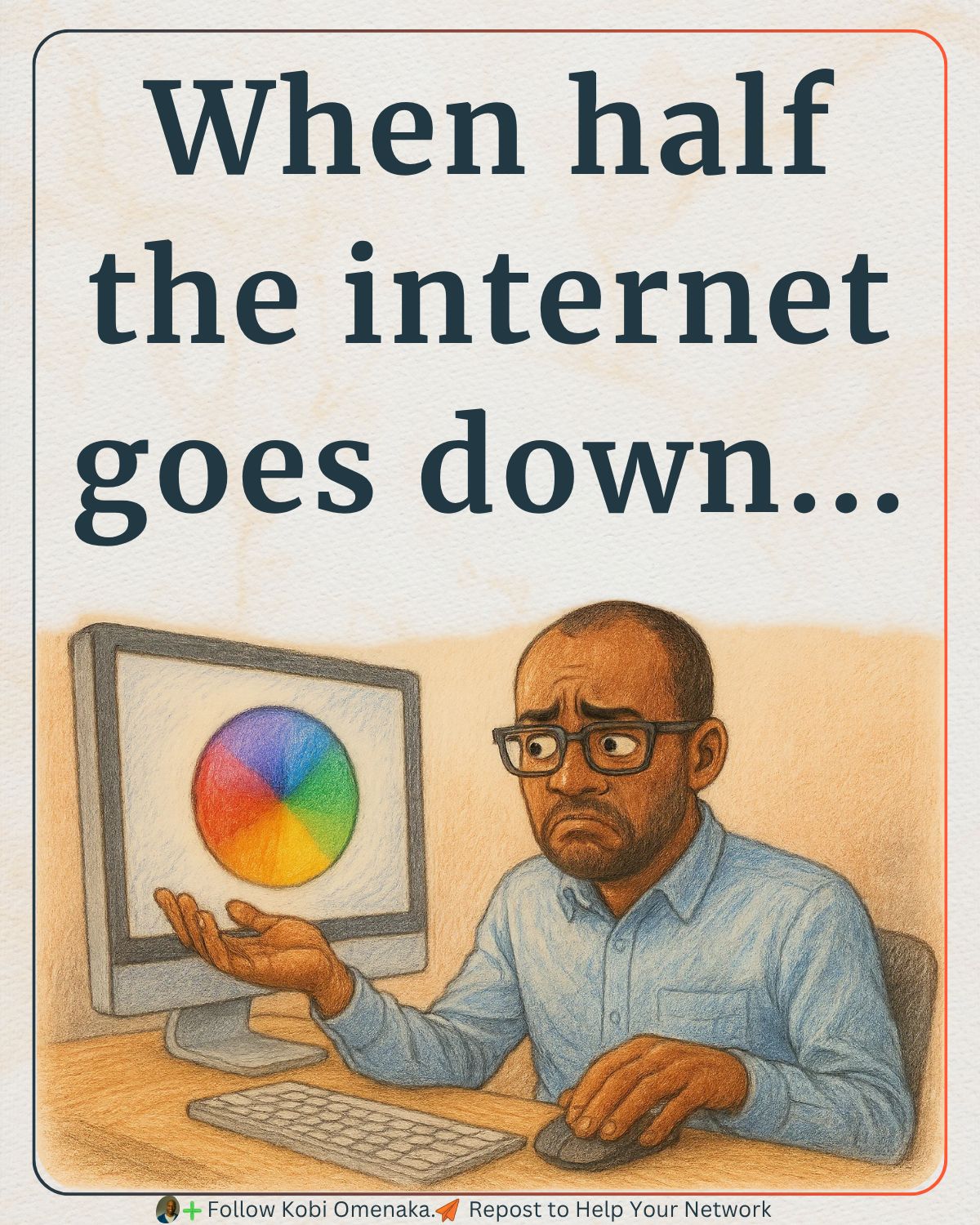
Yesterday morning, a familiar frustration rippled across the digital landscape: the internet seemed broken. For many, the initial reaction was personal – a faulty router, a glitchy device, or a general sense of technological despair. However, as users took to various platforms, a collective realization dawned: it wasn’t an isolated incident. The entire digital ecosystem was experiencing a significant disruption.
Platforms like Reddit were inaccessible, Slack functionalities were severely degraded, and e-commerce giants like Amazon faced considerable downtime. Even personal websites and smaller online presences were affected. The culprit? A hiccup in Amazon Web Services’ (AWS) network monitoring system.
The Fragility of Our Digital Dependence
This widespread outage, stemming from what was described as a minor issue on AWS’s end, served as a stark reminder of our profound reliance on a few major cloud infrastructure providers. It’s a situation that, while often overlooked, carries significant implications for businesses of all sizes.
Many business leaders and professionals spend considerable time strategizing about content, optimizing lead generation funnels, and refining their social media presence. However, a critical question often remains unaddressed: What is the contingency plan when the very infrastructure upon which these strategies are built experiences a failure?
The Unseen Risks of Centralization
Yesterday’s incident, while not a catastrophic, prolonged outage, caused significant disruption for millions. It highlights a systemic risk: the concentration of critical digital infrastructure within a handful of providers. When one of these giants experiences even a minor issue, the ripple effect can be immense, impacting a vast swathe of the digital economy.
This reliance isn’t just about major corporations; it extends to smaller businesses and individual professionals who depend on these services for their daily operations, customer interactions, and revenue streams.
Assessing Your Business’s Vulnerabilities
While the urge to dismiss such events as rare occurrences might be strong, it’s a valuable exercise to consider the potential impact of a similar, or even more severe, disruption on your own business. Consider these points:
- Platform Dependency: Is your business heavily reliant on a single platform for lead generation or customer acquisition?
- Key Client Concentration: Does a significant portion of your revenue come from one or a few major clients?
- Knowledge Silos: Is there a critical function within your business that only one person understands or manages?
The goal isn’t to foster paranoia but to encourage proactive risk assessment. Understanding where your business’s critical dependencies lie is the first step toward building resilience.
Building Digital Resilience
While we can’t control the actions of major cloud providers, we can take steps to mitigate the impact of potential disruptions:
- Diversify Platforms: Avoid putting all your eggs in one basket. Explore multiple channels for marketing, sales, and customer engagement.
- Client Relationship Management: Nurture a diverse client base to spread risk.
- Knowledge Sharing and Documentation: Implement processes for cross-training and thorough documentation to reduce reliance on single individuals.
- Contingency Planning: Develop basic disaster recovery and business continuity plans that consider infrastructure outages.
As Kobi Omenaka suggests, the focus should be on knowing where the ‘trap doors’ are. The digital world will continue to evolve, and while major providers like AWS will recover, the lessons learned from these disruptions are invaluable for ensuring the long-term stability of our own ventures.
This article was inspired by a LinkedIn post by Kobi Omenaka.
📝 About This Content
This article is based on insights shared by Kobi Omenaka on LinkedIn.
📅 Originally posted on October 21, 2025 | View original post on LinkedIn →