
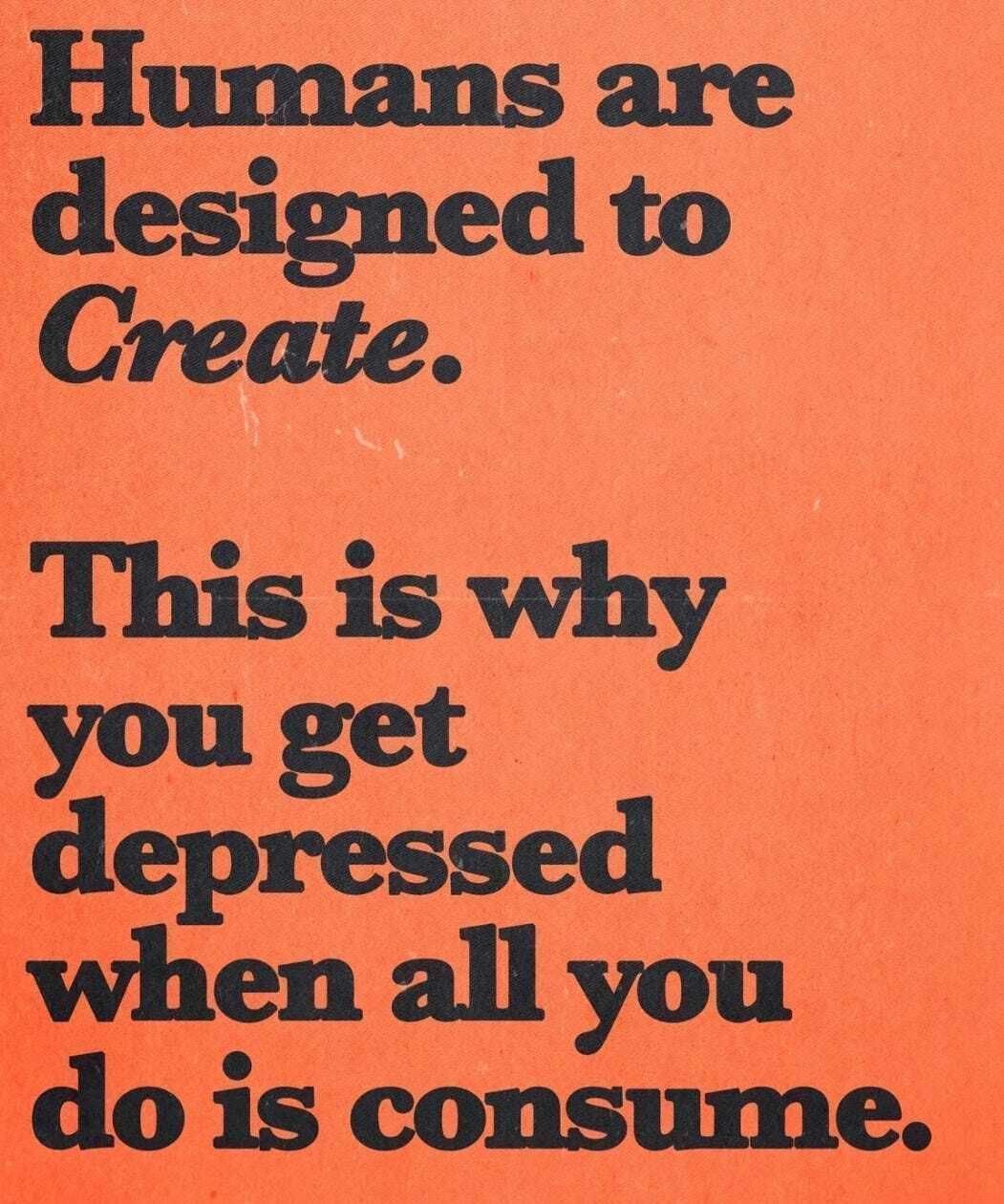
In a recent LinkedIn post, Justin Welsh discusses the profound impact of content creation versus consumption on an individual’s creative output and overall well-being. Welsh, a prominent figure who has extensively documented his own content creation journey, shares stark observations drawn from years of producing a high volume of written and visual material across various platforms.
Welsh begins by highlighting the sheer scale of his own output, stating:
"Over the past 6.5 years, I’ve written: – 3,559 LinkedIn posts – 4,107 Tweets – 789 Instagram posts – 456 Threads – 278 Substack notes – 266 newsletter issues"
From this extensive experience, Welsh distills four key learnings that challenge conventional wisdom about digital engagement. He posits that a consistent creative practice not only enhances one’s skills but also significantly boosts personal happiness, directly contrasting this with the often negative effects of passive content consumption.
The Link Between Creation and Happiness
One of the primary arguments Welsh makes is the direct correlation between creating content and experiencing elevated mood. He observes that sharing one’s creations and learnings with others provides a unique sense of satisfaction and purpose. According to Welsh, "On the days I’m sharing my creations, my mood is incredibly elevated. There’s nothing better than learning something and sharing it with other people." This personal testimony suggests that active participation in the creation process is intrinsically rewarding.
The Downside of Digital Consumption
Conversely, Welsh expresses a strong critique of excessive content consumption, particularly on social media platforms. He describes how delving into online discussions and feeds can lead to a more negative outlook. "Whenever I go down a rabbit hole on LinkedIn or X, I get bummed out. Culture wars, fighting, lack of empathy for our fellow humans. It’s gross," he writes. This sentiment underscores his belief that passive consumption, especially of contentious or low-value content, can be detrimental to mental well-being.
Mastering the Craft Through Practice
Another significant point Welsh emphasizes is the importance of sustained effort in skill development. He argues that consistent writing practice is paramount to becoming proficient. As Welsh notes, "If you write every single day for a long time, you will eventually become a relatively decent writer. And there’s no better way to communicate your thoughts." This highlights his philosophy that mastery in creative fields is a byproduct of diligent, daily practice rather than sporadic bursts of inspiration.
Concerns Over AI and Creativity
Perhaps one of the most provocative points Welsh raises concerns the increasing reliance on Artificial Intelligence for creative tasks. He warns that outsourcing creative work to AI can lead to a decline in originality and individual expression. Welsh argues that "The more AI does your creative work, the more you forget how to be creative and original. You sound like everyone else. You blend in. You’re not interesting." This caution suggests that while AI can be a tool, over-dependence risks homogenizing creative output and diminishing the unique voice of the creator.
In summary, Welsh’s post advocates for a disciplined approach to content creation, emphasizing daily output, reduced passive consumption, persistent skill-building, and a mindful use of AI. His core message is encapsulated in his TL;DR:
"1. Create daily 2. Consume less 3. Write until you’re good 4. Don’t outsource creative"
Welsh offers further guidance to creative entrepreneurs through his weekly newsletter, promising insights on gaining, retaining, and monetizing attention.
📝 About This Content
This article is based on insights shared by Justin Welsh on LinkedIn.
📅 Originally posted on March 9, 2026 | View original post on LinkedIn →