
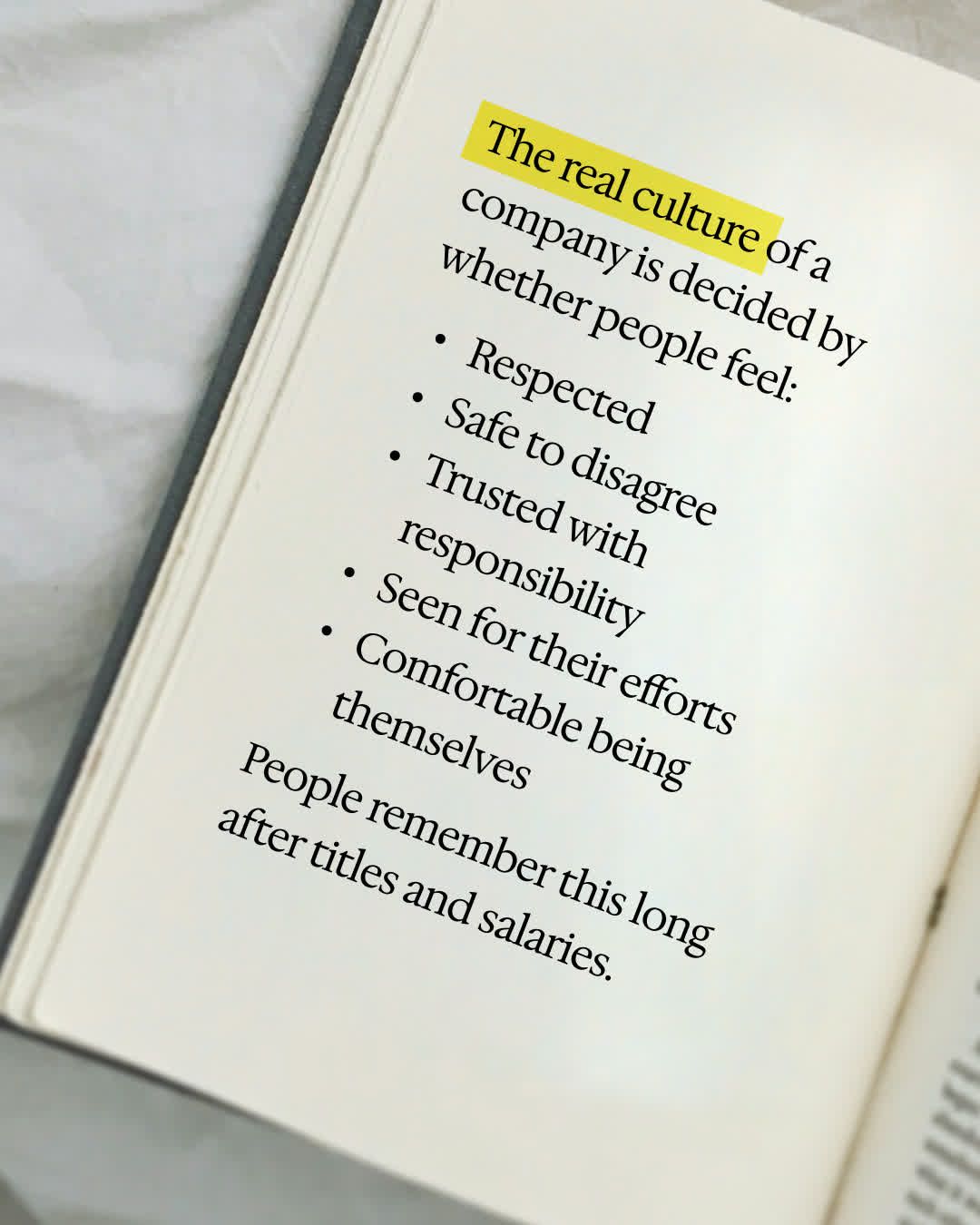
In a recent LinkedIn post, Ankur Warikoo explores the critical, yet often overlooked, factor influencing job satisfaction and company success: how employees feel within their work environment. Warikoo, a prominent business figure, highlights that despite holding well-paid and prestigious positions, many individuals report unhappiness stemming from a lack of respect, unsupportive teams, or dysfunctional dynamics.
The Impact of Feeling on Performance
Warikoo posits that the fundamental difference between high-growth companies and those that falter is not ambition or intelligence, but the emotional experience of their people. He argues that this feeling directly drives behavior and, consequently, performance. This insight challenges conventional thinking that often prioritizes external markers of success like salary and brand recognition.
“What separates these companies is not ambition or intelligence. It is how people are made to feel. Because that drives how they act.”
As Warikoo notes, the impact of the work environment can be profound. He recounts observations where teams with seemingly average skills significantly outperformed more talented groups simply because the former fostered an environment of respect. Conversely, he has witnessed exceptional talent diminish when the workplace atmosphere felt unsafe or unsupportive.
Navigating the Job Search: Beyond the Obvious Metrics
Drawing from these observations, Warikoo offers actionable advice for individuals seeking new employment. He urges job seekers to look beyond the highest salary or the most recognizable brand name. Instead, he advocates for thorough research and proactive questioning during the interview process.
Key Questions for Prospective Employees
Warikoo suggests that candidates should inquire about:
- Team dynamics and collaboration methods.
- The flow and nature of feedback within the team.
- The reasons behind employee departures and retention.
The underlying goal, as Warikoo emphasizes, is to gain a realistic understanding of the day-to-day experience within a potential team before committing to it.
“Find out what it will be like to live in this team, before you actually live in the team.”
His central thesis is that the emotional and psychological experience of a job will ultimately hold far greater significance than the financial compensation received.
The Foundation of Sustainable Growth
Warikoo’s analysis underscores a crucial aspect of organizational health: the creation of an environment where employees feel valued and psychologically safe. This, in turn, unleashes potential and fosters sustainable growth, as opposed to environments that stifle talent through negativity or lack of support.
“I’ve seen teams with average skills on paper outperform star-studded ones, simply because people felt respected. I’ve also seen incredible talent shrink when the environment felt unsafe.”
By prioritizing the human element and fostering a positive workplace culture, companies can not only achieve phenomenal growth but also ensure the long-term well-being and productivity of their workforce. Warikoo’s insights serve as a powerful reminder for both leaders and employees about the true drivers of success and satisfaction in the professional world.
📝 About This Content
This article is based on insights shared by Ankur Warikoo on LinkedIn.
📅 Originally posted on January 9, 2026 | View original post on LinkedIn →