
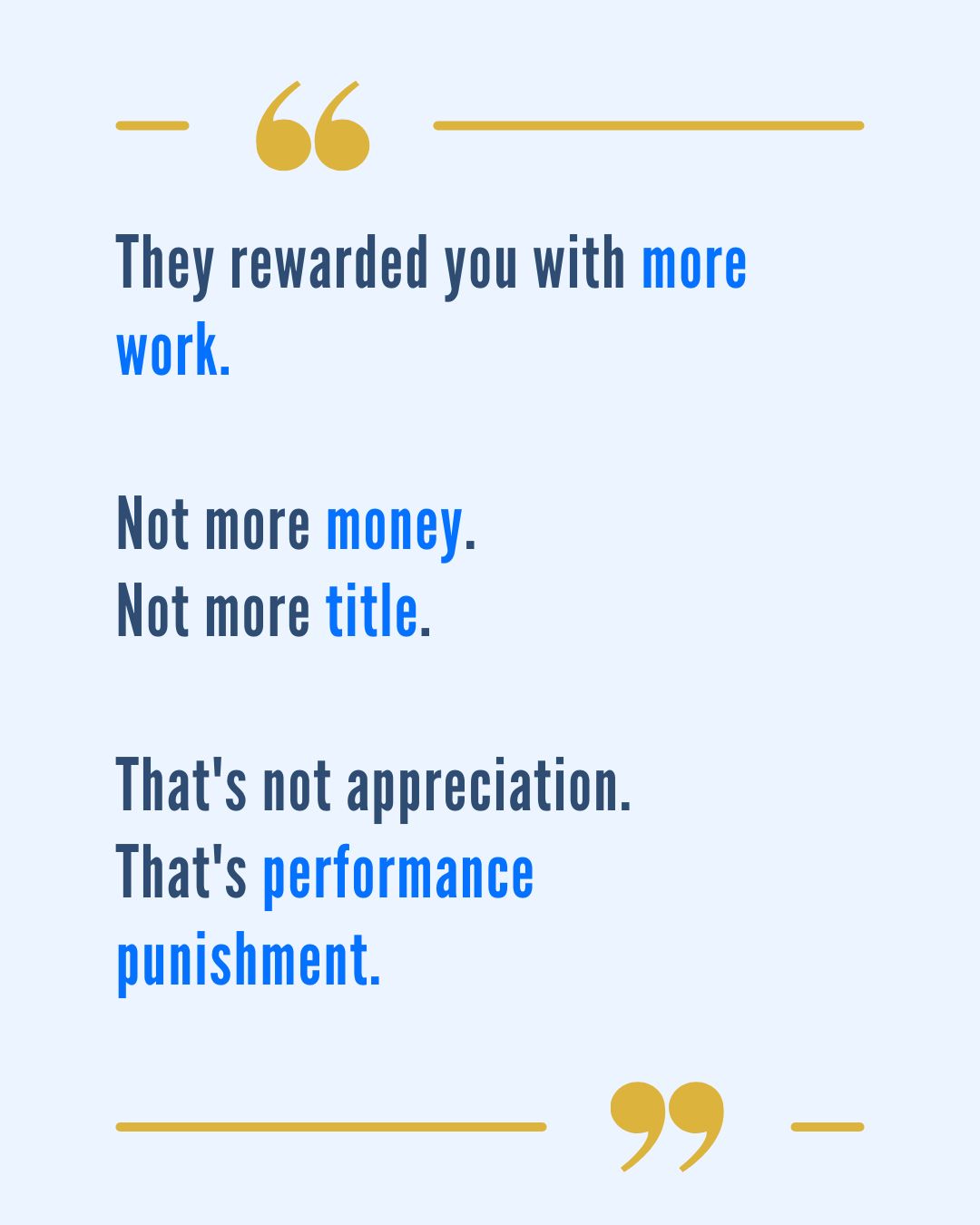
In a recent LinkedIn post, Ehsan Ali explores a common paradox faced by high-performing professionals: being rewarded for reliability with more work, rather than with promotions or increased compensation. Ali frames this phenomenon as “performance punishment,” a situation where exceptional dedication inadvertently leads to being overburdened without commensurate career advancement.
Ali begins by highlighting a poignant observation shared during a “Hidden Gold” roundtable discussion. A Senior Engineering Manager in Sydney articulated a sentiment that resonated deeply with attendees:
“I’ve been the most reliable person in 3 different teams. I’ve never once been the most promoted.”
This statement, according to Ali, encapsulates the experience of many who find themselves consistently stepping up to solve problems and support team efforts, only to be overlooked for promotions.
The ‘Safety Net’ Syndrome
Ehsan Ali argues that high performers often become the company’s de facto “safety net.” They are the ones tapped when “something breaks,” “cross-team fires” need extinguishing, or urgent tasks like last-minute executive decks arise. Ali points out that this consistent availability and problem-solving capability can lead to an “invisible pile” of responsibilities that, while important and useful, are not typically the kind that lead to promotions.
According to Ali, promotions are rarely given to those who are primarily focused on maintaining the status quo or holding the system together. Instead, they tend to go to individuals who are leading initiatives that directly impact critical business areas.
Identifying Promotable Work
Ali differentiates between work that keeps things running smoothly and work that drives strategic business objectives. Promotable work, in Ehsan Ali’s view, involves leading initiatives related to:
- Revenue risk mitigation
- Delivery velocity improvements
- Platform modernization
- Addressing capability gaps
These are the kinds of projects that appear in board packs and are discussed in high-level leadership meetings – the work that signals a candidate is ready to “shape decisions.” As Ali emphasizes, the key distinction is not just doing this work, but how it is communicated.
“Here’s the business problem I saw. Here’s the initiative I led. Here’s the outcome it created.”
This approach, Ali suggests, signals leadership potential, whereas simply stating “Here’s what I did” projects an image of dependability, which often results in more work rather than advancement.
Repositioning for Growth
For those who recognize themselves as the long-term “safety net,” Ehsan Ali advises a strategic shift. The next step, according to Ali, is to learn how to “reposition the work you’re already doing, so the right people finally see it the right way.” This involves reframing accomplishments to highlight strategic impact and leadership, rather than mere task completion.
Ali mentions that such strategies are a core focus of the “Hidden Gold” roundtable, where senior IT leaders work through practical methods for showcasing their contributions effectively. The post concludes with an invitation to a final March session, encouraging those who are ready to move beyond being the reliable problem-solver to becoming a recognized decision-maker.
📝 About This Content
This article is based on insights shared by Ehsan Ali on LinkedIn.
📅 Originally posted on March 16, 2026 | View original post on LinkedIn →