
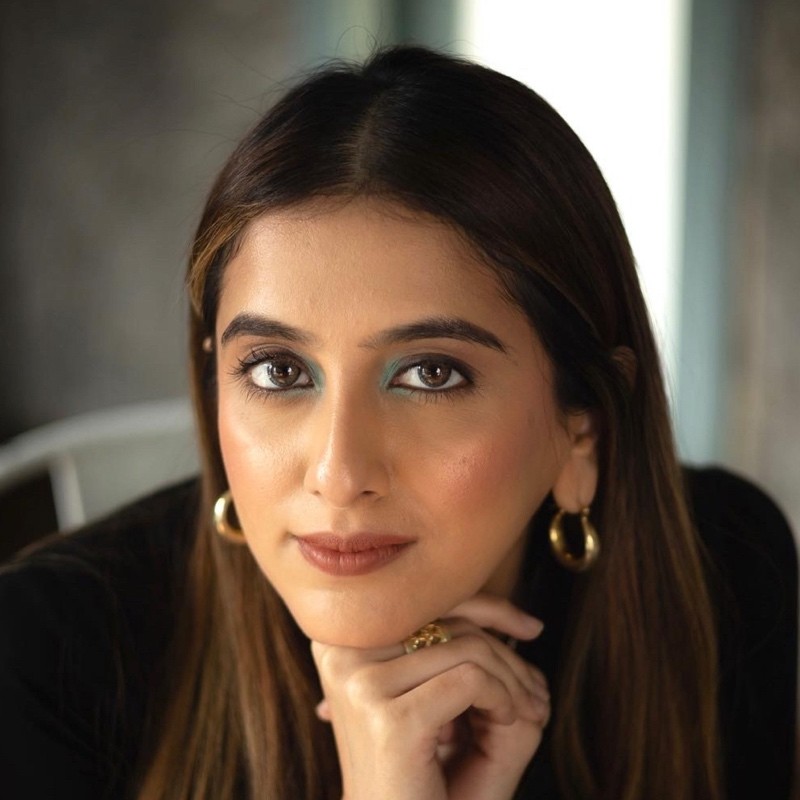
In a recent LinkedIn post, Karishma Mehta discusses the critical role of insurance in India’s burgeoning economy, arguing that a lack of adequate coverage poses a significant risk to the financial stability of its citizens. Mehta highlights a prevalent issue where the cost of healthcare can quickly negate the financial gains of a growing economy, turning prosperity into precariousness.
Mehta opens by posing a stark scenario to illustrate the financial vulnerability many Indians face:
“If you think insurance is expensive, ask the family that walked into a hospital for a routine check-up and walked out with a medical emergency and a 10 lakh bill.”
This anecdote sets the stage for her broader argument about the under-discussion nature of insurance in India. She points to data from the National Health Accounts Estimates for India (2022-2023), revealing that a substantial 43.4% of healthcare expenditure is still borne directly by Indian families.
The Paradox of Growth and Financial Risk
Karishma Mehta emphasizes that this out-of-pocket healthcare spending is particularly concerning given India’s current economic trajectory. She observes the nation’s impressive growth, characterized by first-generation earners, burgeoning aspirations in smaller towns, and the widespread adoption of digital payments through UPI.
However, Mehta critically questions the sustainability of this growth if it can be so easily dismantled by unforeseen medical expenses. She states:
“But growth that ONE BILL can wipe out isn’t really growth. It’s a gamble.”
This perspective frames insurance not merely as a financial product but as a foundational element for genuine, sustainable economic progress. Mehta draws a parallel with the normalization of digital payments and Systematic Investment Plans (SIPs), suggesting that insurance must be the next frontier in financial literacy and adoption.
Bridging the Gap: Understanding and Accessibility
A significant barrier to insurance adoption, according to Mehta, is the lack of understanding and trust. Many individuals hesitate to commit their hard-earned money to policies they find complex or are sold by unfamiliar intermediaries.
Mehta highlights this challenge: “Most people know they should have it but they don’t want to hand over their hard-earned money to a policy they don’t understand, sold by someone they’ve never met.”
She then introduces InsuranceDekho as a company actively working to dismantle these barriers. According to Mehta, InsuranceDekho’s strategy involves reaching underserved towns and establishing a network of advisors who provide clear explanations and ongoing support. This approach aims to demystify insurance and build the trust necessary for wider adoption.
Insurance as Peace of Mind
Karishma Mehta concludes her post by urging readers to reconsider their procrastination regarding insurance. She posits that preparedness is an invaluable, cost-effective form of security.
“Because being prepared is the cheapest peace of mind you’ll ever buy.”
Her call to action encourages individuals to move beyond delaying insurance decisions and to become part of a larger movement towards greater financial security for all Indians. Mehta’s analysis underscores the idea that a truly growing India is one where medical emergencies are manageable setbacks, not insurmountable debt crises.
📝 About This Content
This article is based on insights shared by Karishma Mehta on LinkedIn.
📅 Originally posted on September 10, 2026 | View original post on LinkedIn →