
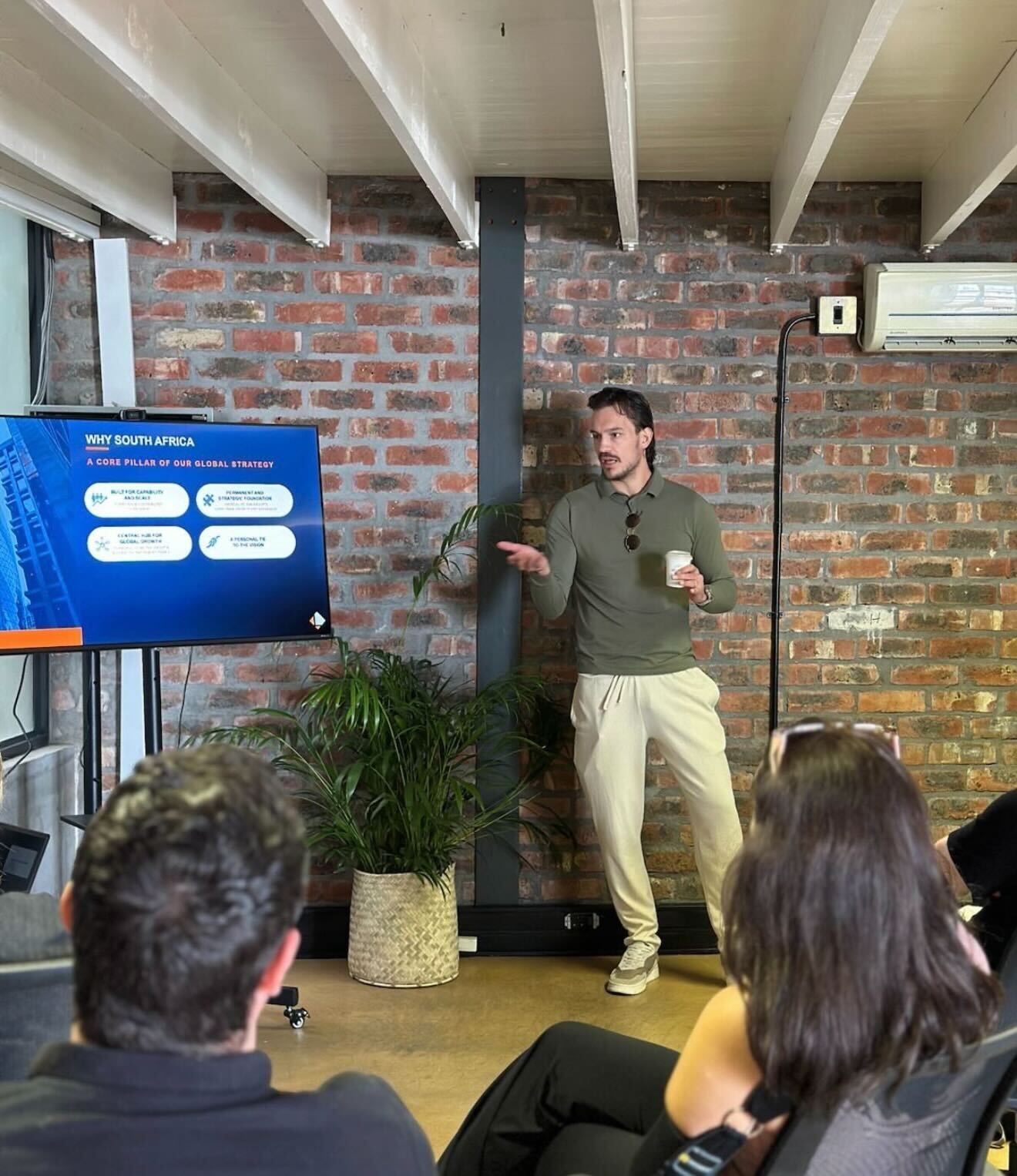
In a recent LinkedIn post, Tom Wood discusses a common pitfall for businesses experiencing growth plateaus: mistaking a leadership issue for a sales problem. Wood argues that while many companies believe they lack sufficient sales personnel when growth stalls, the root cause often lies higher up the organizational structure.
Wood begins by outlining the typical scenario: a business enjoys a period of steady performance, relying on existing relationships and a stable pipeline. However, when the decision is made to accelerate growth, conversion rates falter, predictability wanes, and targets are missed. This triggers the instinct to expand the sales team.
“The instinct is to hire. More sales people. More BD. But usually, that’s not the issue. It’s leadership.”
According to Tom Wood, simply hiring more salespeople or business development representatives is often a misdirected effort. He points out that businesses frequently bring in new sales leadership with the expectation that this individual will independently generate revenue, while senior management remains disengaged from the sales process itself. Wood contends that this approach is unsustainable, particularly as a business scales.
The Crucial Role of Top-Level Engagement
Wood emphasizes that as revenue targets increase, the importance of access, credibility, and relationships becomes paramount. These critical elements, he asserts, are directly controlled by senior leadership.
“The bigger the number, the more it depends on access, credibility, relationships. That sits at the top.”
He contrasts companies that struggle with growth against those that thrive. According to Wood, successful growing businesses maintain close involvement with key sales activities. Leaders in these organizations actively participate in crucial client conversations, facilitate introductions, and nurture significant relationships. They do not abdicate responsibility by simply expecting their teams to succeed independently.
Sales as Trust, Not Just Activity
Wood further elaborates on the nature of sales at higher levels, stating that it transcends mere transactional activity. It becomes fundamentally about building and maintaining trust.
“At that level, sales isn’t just activity. It’s trust. And that doesn’t delegate.”
This core insight suggests that the ability to build deep, trusting relationships – a cornerstone of significant business deals – cannot be effectively outsourced or delegated to a subordinate. It requires the direct involvement and gravitas of top leadership.
Diagnosing Growth Stalls
In concluding his post, Tom Wood prompts business leaders to re-evaluate the source of stalled growth. He encourages a critical assessment of whether the perceived sales issue is indeed a matter of sales capacity or, more likely, a symptom of leadership detachment from the core revenue-generating functions of the business.
Wood’s analysis suggests that a strategic shift, focusing on leadership’s active role in cultivating relationships and maintaining credibility, may be more effective for sustainable growth than simply increasing sales headcount.
📝 About This Content
This article is based on insights shared by Tom Wood on LinkedIn.
📅 Originally posted on April 24, 2026 | View original post on LinkedIn →