
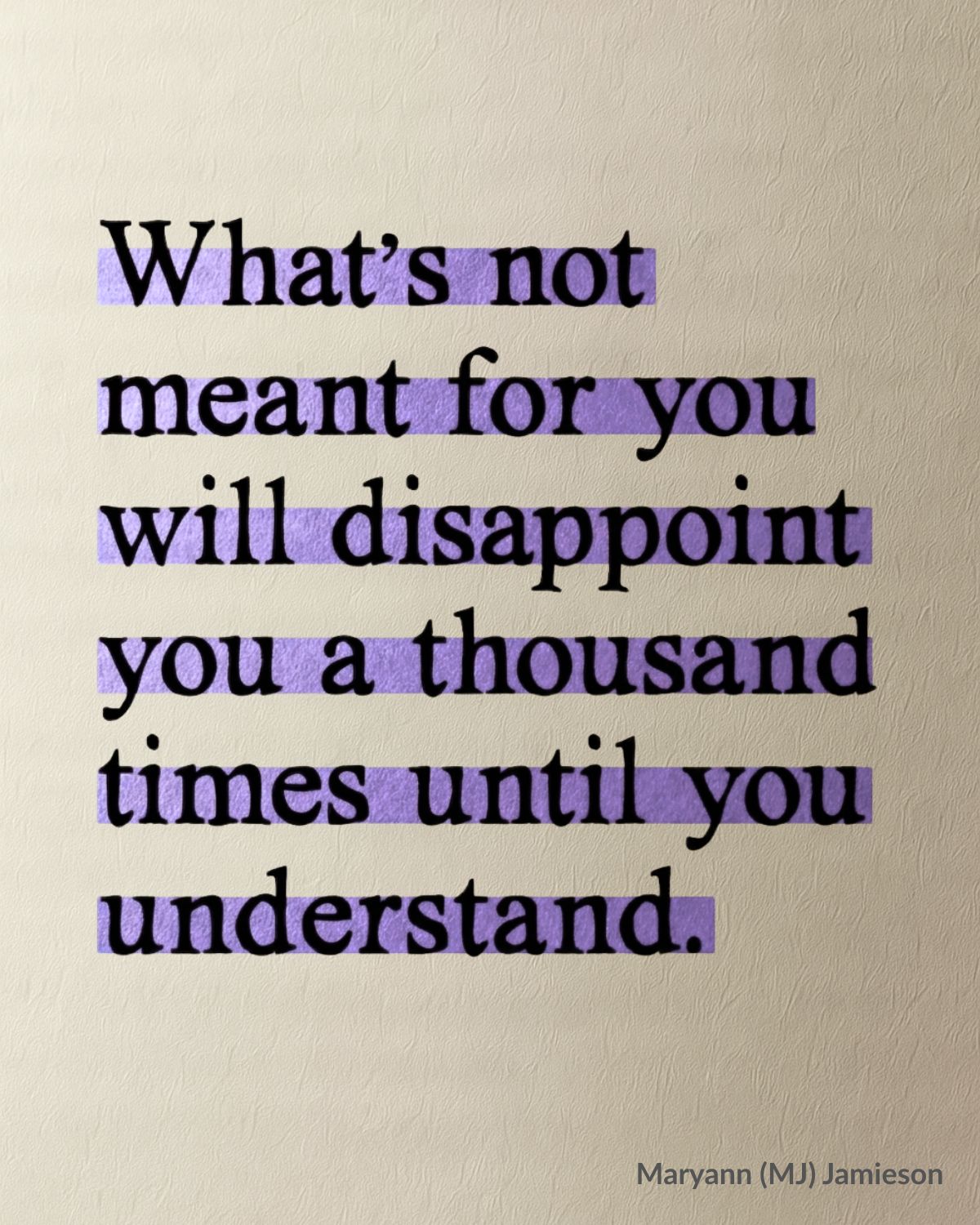
In a recent LinkedIn post, Maryann (MJ) Jamieson explores a common paradox faced by high performers: getting stuck not from a lack of effort, but from an inability to release outdated roles and expectations. Jamieson highlights how clinging to past successes or stagnant positions can hinder future growth, arguing that strategic detachment is crucial for career progression.
Jamieson observes that many high achievers become ensnared by circumstances they refuse to abandon. This often manifests as pursuing promotions within companies that have already reached their ceiling, remaining loyal to a title that no longer offers challenges, or preserving relationships with managers who are stuck in the past. As Jamieson puts it:
“What got you here can be the exact thing keeping you from what’s next.”
This sentiment underscores a critical point: the very strategies that led to past success can become impediments to future advancement if they are not adapted to evolving circumstances. Jamieson emphasizes that trying harder within a misaligned role is a recipe for repeated disappointment.
The Strategic Advantage of Releasing the Past
The core of Jamieson’s message revolves around the concept of ‘letting go’ as a proactive career strategy, rather than an act of surrender. She posits that this act of release is not about giving up, but about creating essential space for new opportunities and personal evolution. According to Jamieson:
“Letting go isn’t giving up. It’s making space.”
Jamieson outlines several significant shifts that occur when individuals successfully detach from outdated professional identities and roles.
Transforming Your Career Narrative
One of the primary benefits Jamieson identifies is the revitalization of one’s career story. When individuals let go of roles they have outgrown, their professional identity begins to align with their current capabilities and aspirations. Jamieson writes:
“Your career story stops being outdated → You notice how much of your identity is built around a role you outgrew.”
This shift allows individuals to stop performing an outdated version of themselves and embrace who they are now, making them more authentic and effective.
Expanding Professional Horizons
Furthermore, Jamieson argues that letting go broadens one’s perspective and opens up new possibilities. Instead of focusing on how to fit into existing structures, individuals begin to ask where their current skills and potential truly belong. This reframing changes the question from “Can I fit?” to “Do they deserve what I bring?”, empowering individuals to seek environments that value their contributions.
Realigning Professional Relationships
Jamieson also points to the re-sorting of professional relationships as a key outcome. As individuals evolve, some connections may naturally fade if they are based on a past version of oneself. Conversely, new connections with people who recognize and support the evolving professional emerge, often leading to more significant opportunities.
Achieving Self-Validation
A crucial aspect Jamieson highlights is the move away from seeking external validation. Letting go means no longer waiting for a manager, company, or title to grant permission or acknowledge readiness. Instead, individuals begin to act with the confidence of the person they have become, rather than seeking approval based on their past selves. This self-validation is essential for seizing new opportunities that truly align with one’s current capabilities and aspirations.
In conclusion, Maryann (MJ) Jamieson’s insights on LinkedIn offer a compelling perspective on career advancement. By framing ‘letting go’ as a deliberate and strategic career move, she encourages professionals to shed outdated identities and roles to make way for future growth and fulfillment.
📝 About This Content
This article is based on insights shared by Maryann (MJ) Jamieson on LinkedIn.
📅 Originally posted on June 30, 2026 | View original post on LinkedIn →