
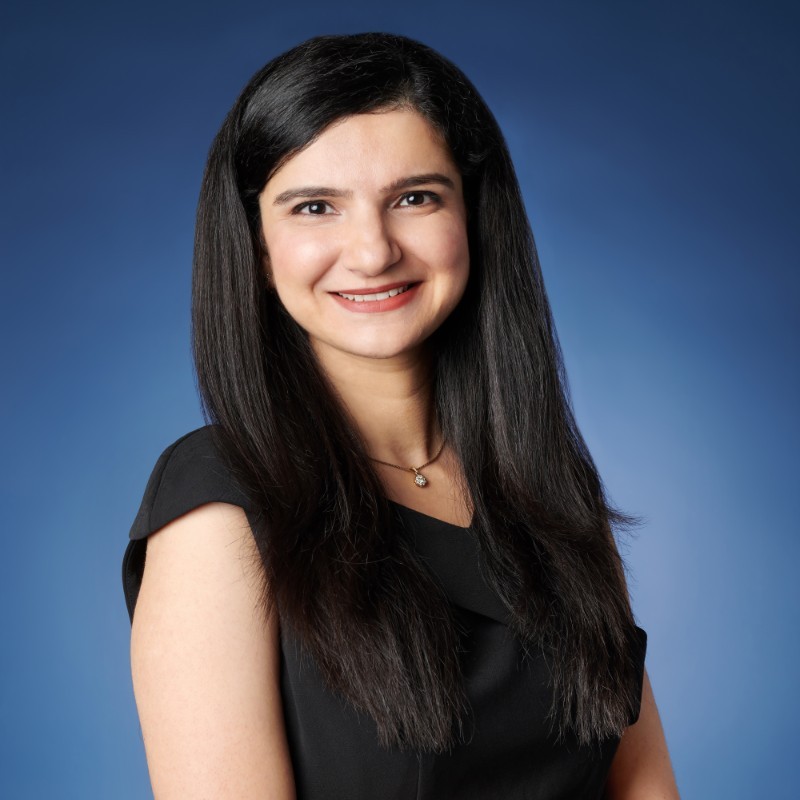
In a recent LinkedIn post, Shub Faujdar discusses the critical importance of continuous career self-assessment and preparedness, particularly for professionals facing unexpected job transitions. Faujdar shares poignant anecdotes from individuals who, despite long tenures and perceived loyalty, found themselves blindsided by sudden career changes. The core message emphasizes that professional security is not guaranteed by tenure alone, urging individuals to actively manage their careers rather than relying on passive assumptions.
The Illusion of Security in Long-Term Employment
Shub Faujdar highlights two particularly striking conversations with professionals who experienced abrupt career endings. One individual, after 23 years with a company, received a glowing appraisal one week only to be told his role was being relocated and a replacement identified by the following Friday. Another professional, a mother returning from maternity leave after six years, was informed three weeks later that she no longer fit the new leadership structure. Faujdar uses these examples to underscore a common misconception:
“Neither of them saw it coming. Both had done everything ‘right.’ Stayed loyal.”
This observation leads Faujdar to a crucial point about the limitations of traditional notions of loyalty in the modern corporate landscape. As Shub Faujdar notes,
“Loyalty is valuable, but loyalty is not a strategy.”
This stark reality, according to Faujdar, stems from the fact that significant organizational decisions are often made in environments inaccessible to many employees.
The Habit of Proactive Career Management
To counter the risk of career stagnation and unexpected displacement, Shub Faujdar strongly advocates for a proactive habit: updating one’s resume every six months. This practice serves as a tangible method to ensure professionals remain aware of their accomplishments and the skills they are actively developing. Faujdar argues that this regular review is essential for:
- Turning off “career autopilot.”
- Gaining clarity on recent achievements.
- Identifying potential warning signs early.
In Faujdar’s view, careers rarely fail instantaneously. Instead, they tend to drift when individuals cease to actively monitor and steer their professional trajectory. The question posed to clients and readers alike is direct:
“What have I actually built in the last six months?”
According to Shub Faujdar, an inability to answer this question clearly is a significant indicator that a career may be losing momentum, often without the individual realizing it until it’s too late.
Shifting the Paradigm: From Passive Tenure to Active Career-ing
The insights shared by Shub Faujdar challenge the long-held belief that dedication and tenure automatically equate to job security. By emphasizing the need for constant self-evaluation and preparedness, Faujdar encourages a mindset shift. This involves recognizing that career development is an ongoing process, not a destination reached after years of service. The advice to update resumes regularly is presented not just as a practical task, but as a psychological tool to foster continuous engagement with one’s professional growth. As Shub Faujdar concludes, the key is to “Always Be Career-ing,” ensuring that one’s professional journey remains intentional and resilient in the face of an unpredictable business environment.
📝 About This Content
This article is based on insights shared by Shub Faujdar on LinkedIn.
📅 Originally posted on August 14, 2026 | View original post on LinkedIn →