
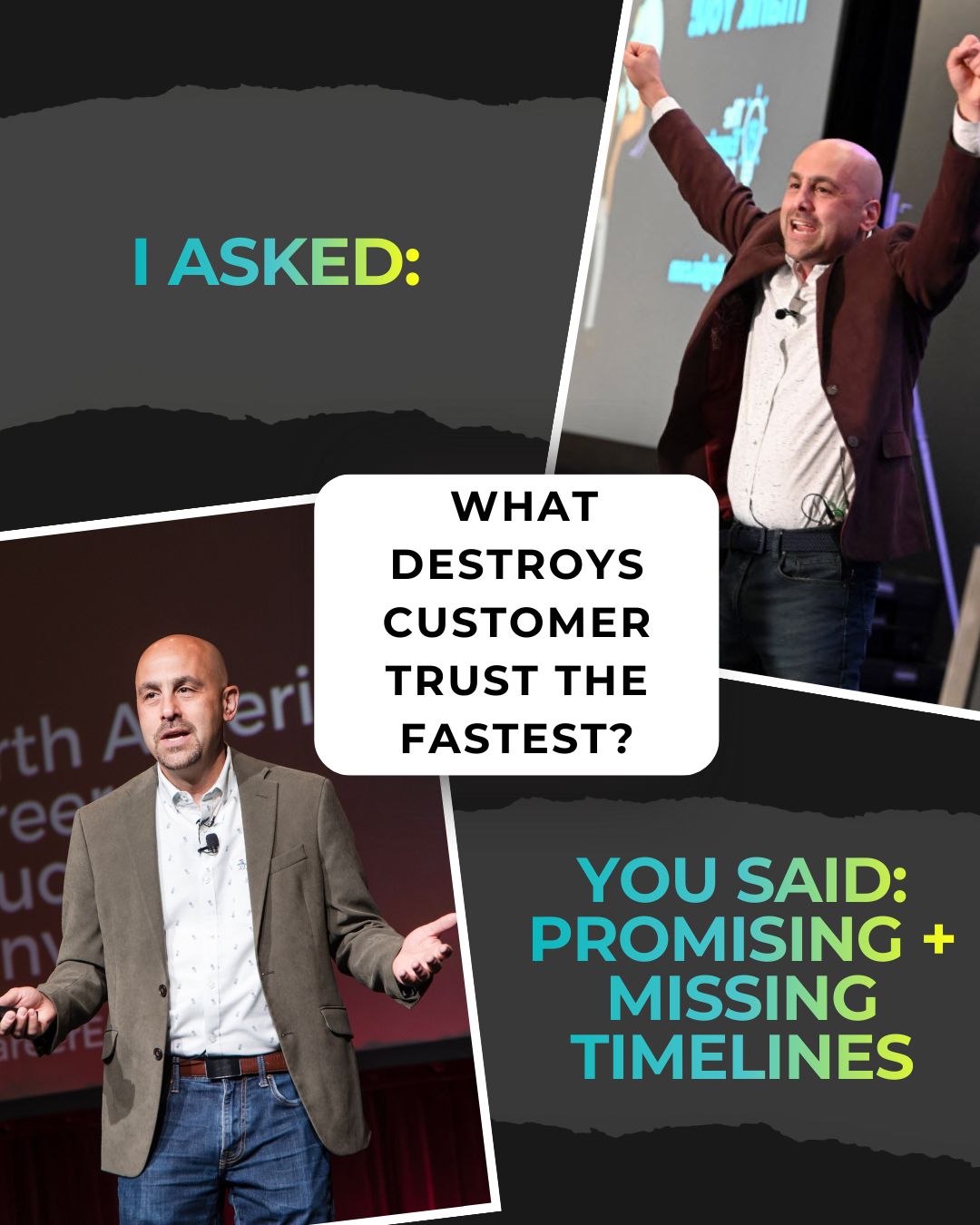
In a recent LinkedIn post, Dan Gingiss, CSP discusses the critical role of communication in maintaining customer trust, particularly when facing delays.
Gingiss highlights that the quickest way to erode a customer’s confidence is by failing to meet promised timelines. He notes that this failure often stems not just from the delay itself, but from the lack of communication surrounding it.
“It’s rarely the delay that kills trust. It’s the silence around the delay.”
The Impact of Missed Timelines
As Dan Gingiss, CSP argues, when a company misses a deadline, customers don’t just experience impatience; they lose faith in the organization’s reliability. This loss of confidence can have lasting repercussions on the customer relationship.
Gingiss points out that even when a delay is unavoidable, companies retain control over the customer experience through their response. He outlines a series of proactive steps that can mitigate the damage caused by a missed timeline.
Strategies for Maintaining Trust During Delays
According to Dan Gingiss, CSP, the key lies in informed and controlled customer interactions. He suggests the following actions:
- Update early: Inform customers about potential delays before they have to inquire themselves.
- Be specific: Provide clear reasons for the delay, rather than vague assurances like “we’re working on it.”
- Offer a new, realistic timeline: Set achievable expectations for the revised delivery date.
- Provide options: Empower customers by offering choices such as a refund, a credit, or an alternative solution.
- Own the situation: Take responsibility without blaming external factors or systems.
Dan Gingiss, CSP emphasizes that trust is ultimately built when customers feel informed and in control of the situation. He concludes that while unforeseen issues can occur, it is the subsequent actions taken by the company that matter most in preserving customer loyalty.
“Trust is built when customers feel informed and in control. Stuff happens, but what you do next matters most.”
Gingiss’s insights underscore the importance of transparency and proactive customer service in navigating operational challenges. By addressing delays head-on with clear communication and tangible solutions, businesses can turn potentially trust-eroding situations into opportunities to strengthen customer relationships.
In his post, Dan Gingiss, CSP, a recognized expert in customer experience, shares practical advice derived from poll results, indicating a strong consensus among professionals on this issue. The poll revealed that 53% of respondents identified promising and then missing timelines as the fastest way to destroy customer trust.
“53% of you said the fastest way to destroy customer trust is: promising + missing timelines.”
This data reinforces Gingiss’s argument that managing expectations and communicating effectively during disruptions is not just good practice, but essential for business survival and growth in a competitive market.
📝 About This Content
This article is based on insights shared by Dan Gingiss, CSP on LinkedIn.
📅 Originally posted on March 11, 2026 | View original post on LinkedIn →