
In a recent LinkedIn post, Dan Sherrard-Smith challenges the conventional business wisdom that prioritizes growth and profitability above all else, arguing that this approach is fundamentally a flawed business decision. He highlights a common trend he observes among founders who, in their pursuit of rapid expansion, often compromise their core mission and values.
As Dan Sherrard-Smith notes:
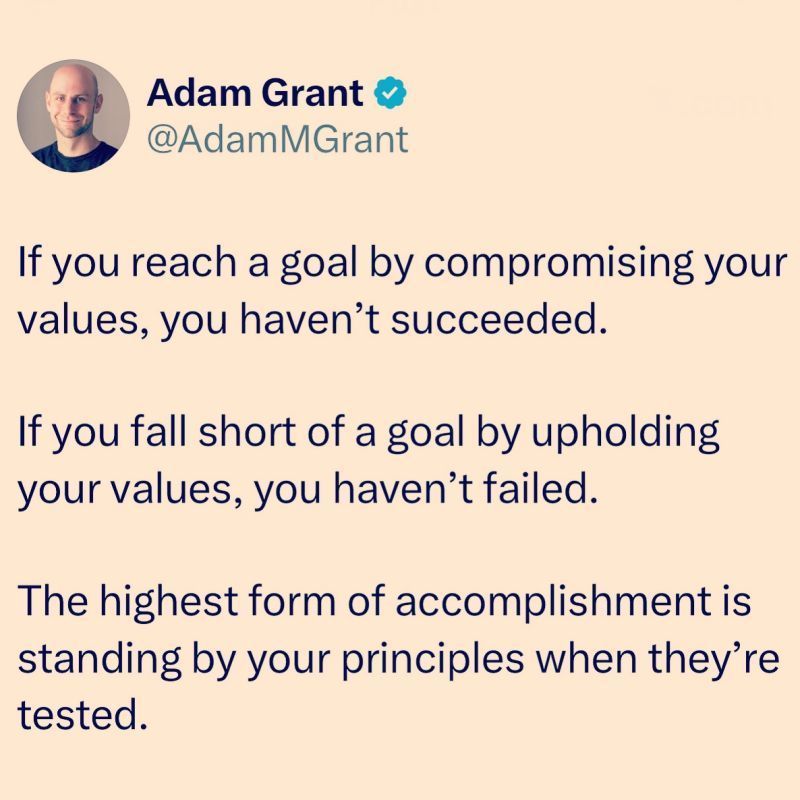
Growth and profitability at all costs isn’t a win. It’s a bad business decision.
Sherrard-Smith outlines several ways this detrimental strategy manifests. Founders, he explains, might raise funding by emphasizing a strong mission, only to quietly abandon it once capital is secured. This can also extend to hiring practices, where rapid expansion leads to letting go of valuable employees who don’t fit the immediate growth targets, or even worse, neglecting the environmental impact in a relentless chase for more business.
The Downside of ‘Bro Marketing’ Mentality
The author contends that this aggressive, short-term focused approach, which he labels a “bro marketing mentality,” ultimately proves counterproductive. According to Dan Sherrard-Smith, this strategy leads to a loss of authenticity and trust, ultimately damaging the brand’s long-term viability. He elaborates on the consequences:
The pipeline dries up because the brand no longer reflect anything real. Clients leave because the original mission is gone. Employees start phoning it in.
This relentless pursuit of immediate sales, characterized by constant hustle and frequent changes to products and offers, results in a confused business identity and can lead to founder burnout, Sherrard-Smith argues. He contrasts this with a more sustainable, purpose-led approach.
The Compounding Power of Purpose-Driven Business
Dan Sherrard-Smith posits that founders who lead with purpose may experience a slower start in acquiring their initial clients. However, he asserts that this deliberate approach builds a foundation for compounding success through trust, reputation, and referrals from like-minded clients. He provides examples of clients who have achieved significant growth by staying true to their values.
Case Studies in Value-Driven Growth
Sherrard-Smith shares specific examples to illustrate his point:
- Catherine, he notes, secured her funding by championing her mission to grow regenerative businesses, rather than compromising it.
- Gilad, according to Sherrard-Smith, forged a partnership with the NHS by maintaining authenticity rather than telling them what they wanted to hear.
- Nerea, Sherrard-Smith points out, closed a substantial $350,000 deal without softening her core values.
These individuals, in Dan Sherrard-Smith’s view, demonstrate that growth is achieved by being specific about one’s principles and holding firm to them. He emphasizes:
The founders cutting corners on values aren’t winning. They’re compromising on the very thing that makes business and entrepreneurship so important.
Ultimately, Sherrard-Smith concludes that entrepreneurship offers the unique opportunity to achieve both financial success and make a positive impact on the world. His post serves as a call for founders to integrate their values into their growth strategies, rather than viewing them as mutually exclusive.
📝 About This Content
This article is based on insights shared by Dan Sherrard-Smith on LinkedIn.
📅 Originally posted on March 18, 2026 | View original post on LinkedIn →