
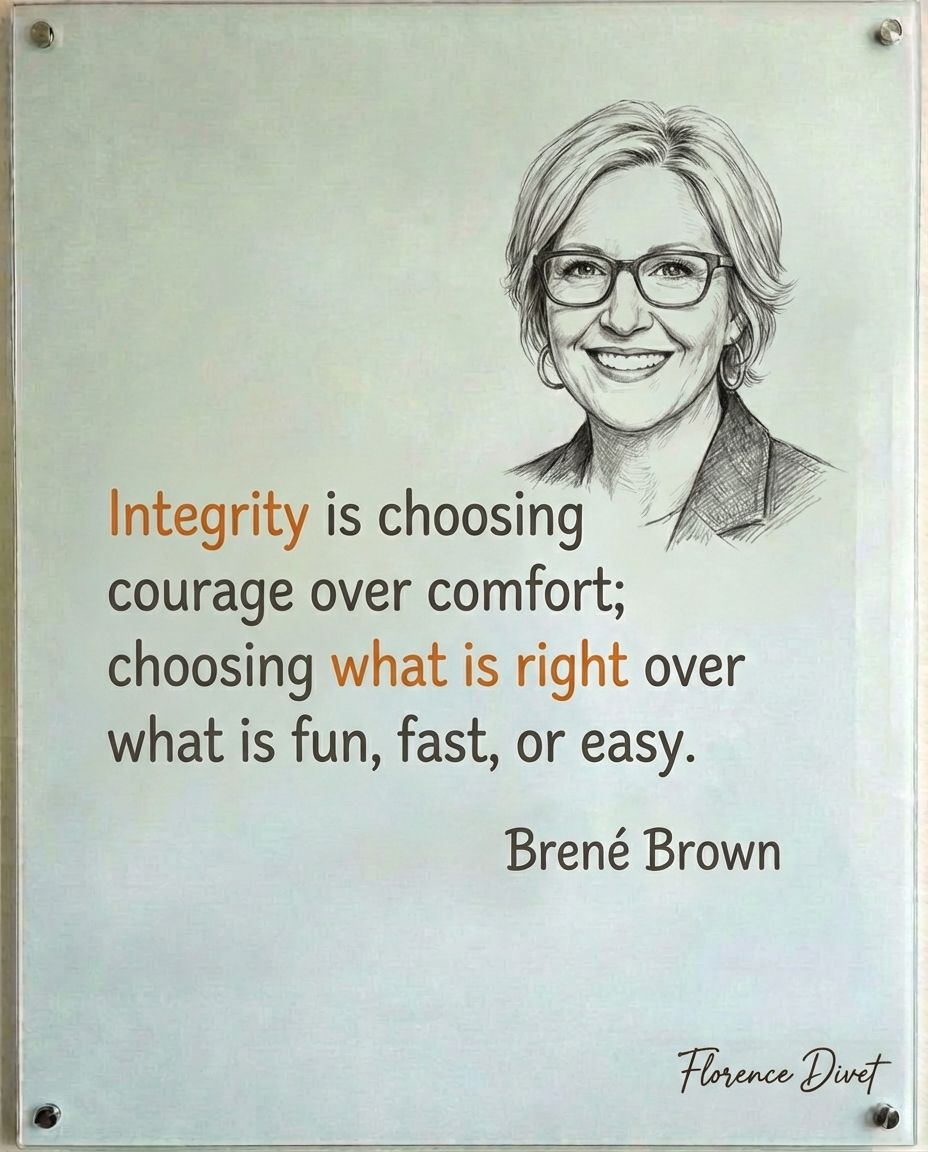
In a recent LinkedIn post, Florence Divet ☀️ explores the critical distinction between being liked and being respected as a leader, arguing that the pursuit of universal approval can be detrimental to effective leadership.
Florence Divet ☀️ highlights that while leaders may desire respect, many inadvertently prioritize being liked, a pursuit that is ultimately unsustainable and counterproductive. The post suggests that genuine leadership often involves making difficult decisions that will inevitably displease some individuals.
“If you’re doing your job right, you will upset someone.”
As Florence Divet ☀️ points out, these displeased individuals might include colleagues with underdeveloped ideas, team members resistant to candid feedback, executives prioritizing superficial harmony, or even friends who expect loyalty over ethical conduct. The core message is that leadership is fundamentally a responsibility, not a popularity contest.
The Inevitability of Discomfort in Leadership
Florence Divet ☀️ emphasizes that attempting to please everyone is an exhausting and ultimately futile endeavor. The higher one rises in an organization, the greater their visibility, which inevitably attracts a spectrum of opinions and projections from others. This can range from admiration and resentment to misunderstanding.
The author introduces a powerful quote from Brené Brown to underscore the essence of integrity in leadership:
“Integrity is choosing courage over comfort; choosing what is right over what is fun, fast, or easy; and choosing to practice your values rather than simply professing them.”
This perspective suggests that true leadership requires a commitment to core values, even when it presents challenges or discomfort. Florence Divet ☀️ posits that trying to manage the fear of being disliked can lead to inaction or compromise, ultimately hindering progress.
Strategies for Navigating the Leadership Landscape
To navigate these challenges, Florence Divet ☀️ offers several actionable strategies:
1. Anchor in Your Values
Florence Divet ☀️ advises leaders to solidify their core values. Knowing what one stands for can diminish the impact of criticism, as it provides an internal compass that cannot be easily swayed. While others may disagree, they cannot easily label a leader as inauthentic if their actions align with their stated values.
2. Choose Respect Over Likeability
The post argues that earning respect through integrity and sound decision-making is far more valuable than being liked for compliance or avoiding difficult conversations. Florence Divet ☀️ states emphatically:
“Being respected for your integrity beats being liked for your compliance. Every. Single. Time.”
3. Normalize Discomfort
Florence Divet ☀️ contends that leaders who avoid tough conversations or sugar-coat reality are not protecting their teams but rather paralyzing them. Embracing and normalizing discomfort is presented as a crucial aspect of fostering growth and progress.
4. Build the Right Inner Circle
The importance of a supportive yet honest advisory group is highlighted. Surrounding oneself with individuals who provide truthful feedback, rather than simply agreeing with the leader, is essential for maintaining perspective and making sound judgments.
5. Reframe Criticism
Florence Divet ☀️ suggests that not all negative feedback should be treated equally. Leaders should learn to discern between criticism that reveals personal biases or resistance and feedback that offers genuine opportunities for growth. This discernment allows leaders to learn from constructive criticism while dismissing unproductive negativity.
In conclusion, Florence Divet ☀️ asserts that if a leader is universally liked, they may be performing rather than leading. The most admired leaders, in Florence Divet ☀️’s view, are those who demonstrate the courage to remain steadfast and clear amidst challenges. The article ends with a poignant observation:
“Because leadership worth having will never please everyone. And if honesty costs you a few “friends”? It’s almost always the wrong ones leaving.”
This perspective encourages leaders to prioritize authenticity and integrity, understanding that true leadership often involves standing firm in one’s convictions, even at the cost of broad approval.
📝 About This Content
This article is based on insights shared by Florence Divet ☀️ on LinkedIn.
📅 Originally posted on March 4, 2026 | View original post on LinkedIn →