
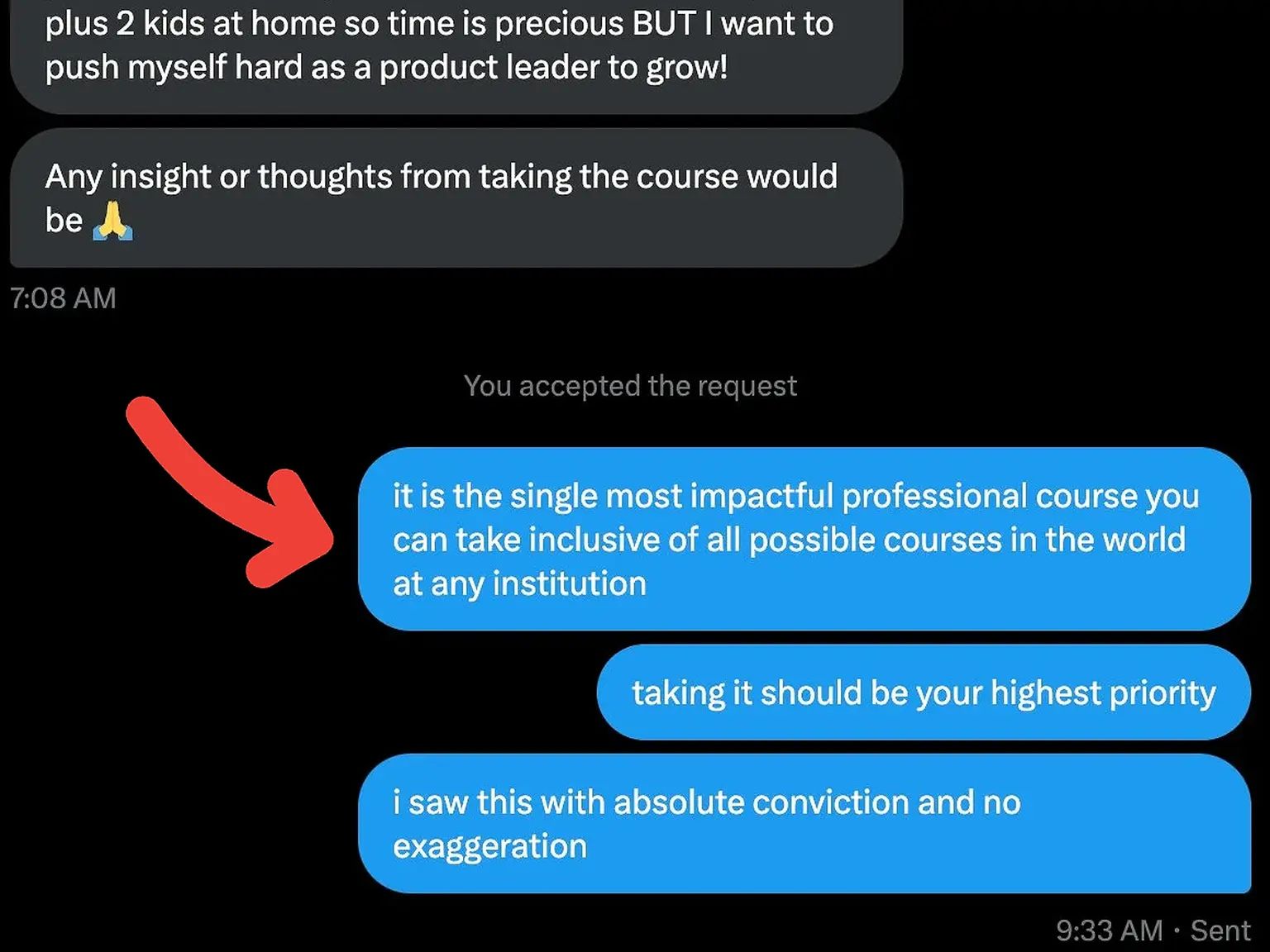
In a recent LinkedIn post, Shreyas Doshi explores the multifaceted reasons behind his commitment to teaching, framing it as a strategic and personally fulfilling endeavor that complements his startup advising work. Doshi, a prominent figure in the product and founder community, detailed how his decision to teach, rather than pursue other high-prestige opportunities, is rooted in scalability, personal passion, potential for impact, and alignment with his life circumstances.
Scaling Startup Advising Through Education
Doshi begins by addressing a founder’s question about his motivation for teaching, highlighting its role in scaling his advisory capacity. He explains that his formal advising engagements are selective, requiring a strong mutual fit with high-growth companies and founders. Teaching, therefore, serves as a vital mechanism to reach and assist a broader audience of founders who may not qualify for or require direct advising.
He notes:
“It helps me scale my startup advising work: unfortunately, I cannot advise all the founders who reach out. In fact, I take very few formal advising roles, because I want to be certain it’s the right mutual fit (high growth company, fit with founder, challenging problems / huge opportunity, mutual availability). So my teaching is a great option for founders I cannot advise.”
This approach allows Doshi to extend his influence and support beyond the limitations of one-on-one advising, making his expertise accessible to more entrepreneurs.
Personal Passion and Impact
A significant driver for Doshi’s dedication to teaching is a deep personal passion. He states that in this phase of his career, he is committed to working only on activities he genuinely loves, even if it means declining offers in venture capital, leadership roles, or traditional startup positions. This aligns with a long-held desire, stemming from his teenage years, to teach.
Doshi elaborates on the potential for impact:
“It might be the best way *for me* to create further positive impact on our industry: to be clear, I don’t do anything because “I want to create a dent in the universe” (I know I won’t create any dent in the universe and will be forgotten shortly after I’m gone and I think that’s a wonderful thing, not something to be sad about). So while I am not teaching mainly to create a big impact, it is wonderful to read notes from 100s of students every month on how their products, teams, and their career are better off after taking my class. The total impact is hard to measure (and I am not going to try & measure it), but my gut says that the compounding impact from my teaching might be meaningful.”
While not driven by a desire for universal recognition, Doshi finds profound satisfaction in the feedback from students whose products, teams, and careers have been positively influenced by his courses.
Product Thinking in Practice and Life Integration
Doshi also emphasizes that teaching allows him to continue engaging with and solving challenging product problems. He applies a product-centric approach to all aspects of his teaching, from course design to community management and marketing. This continuous exercise of empathy, simulation, and creativity resonates with his core expertise.
Furthermore, Doshi highlights how teaching and advising integrate with his personal life, providing a level of schedule control that enables him to spend more time with his son. He acknowledges the intensity of teaching weeks but values the overall flexibility it affords.
He concludes by reflecting on his work ethic and life choices:
“It works with my life: I work all 7 days of the week (mainly on my advising & teaching). The weeks I am teaching are particularly very intense (everyone in my house and my mom in India knows that I am basically unavailable those weeks). On the flip side though, my teaching + advising give me a lot more control over my schedule than almost any other work would. This means that I’ve been able to spend a lot more time with my son (17yrs, only child) over the past 4+ years than I could have otherwise. I like that.”
Shreyas Doshi’s insights underscore a thoughtful approach to career development, demonstrating how passion, strategic scaling, and personal values can converge in a fulfilling and impactful professional path.
📝 About This Content
This article is based on insights shared by Shreyas Doshi on LinkedIn.
📅 Originally posted on December 12, 2025 | View original post on LinkedIn →