
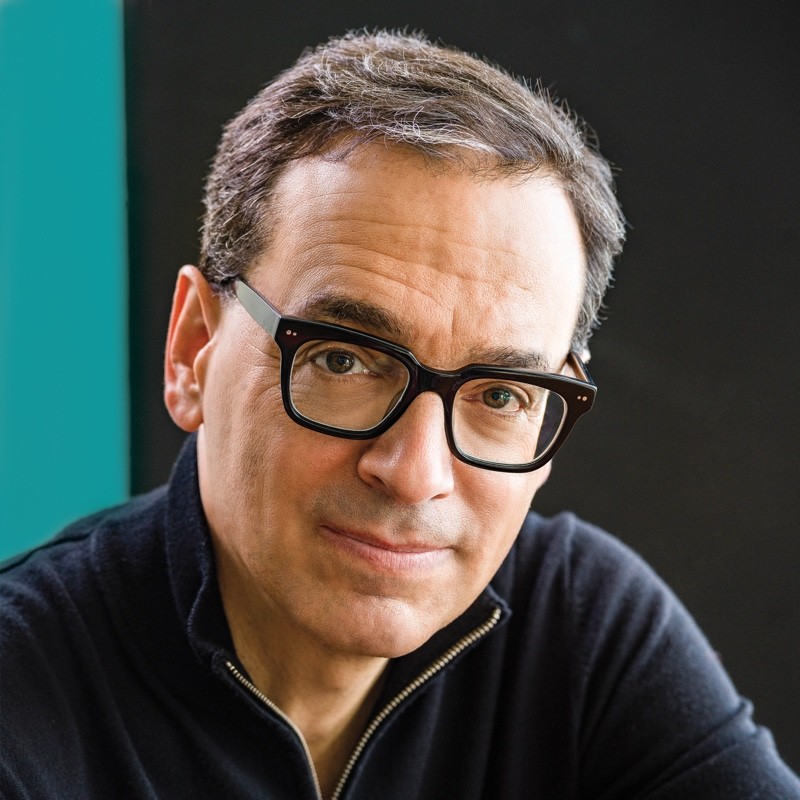
In a recent LinkedIn post, Daniel Pink highlights research connecting strong social relationships with longer survival. This article reports on Pink’s post and the study he cites; it is journalistic coverage, not an article written by Pink.
“Across 148 studies covering 308,849 people, those with strong social ties were 50% more likely to survive the follow-up period.”
The finding Pink brings forward
Pink points readers to a 2010 meta-analysis by Julianne Holt-Lunstad, Timothy B. Smith and J. Bradley Layton, published in PLoS Medicine. The paper synthesized results from 148 studies and examined the relationship between social connections and mortality risk. In his post, Pink foregrounds the scale of the evidence and the reported association between social ties and survival.
According to Pink, the comparison with familiar health risks helps convey the finding’s magnitude. He writes that the effect “matched quitting smoking and beat both obesity and inactivity.” The post uses that comparison to make the research legible to a broad audience, placing social connection alongside factors more commonly discussed in public health.
Social connection as a health consideration
Pink’s brief post does not offer a detailed account of how social ties might relate to mortality, nor does it argue that a single statistic captures every person’s experience. Instead, he draws attention to the study’s central result and invites readers to consider social relationships as a meaningful part of health discussions.
“The effect matched quitting smoking and beat both obesity and inactivity.”
That framing is notable because it puts relationships into a conversation often dominated by individual behaviors. As Pink’s post suggests, the evidence he cites gives social connection a place among factors associated with longevity. The finding describes an association across the studies reviewed; the post itself does not claim that friendship alone guarantees better health outcomes.
What the post leaves open
Pink’s LinkedIn post is concise: it provides the headline figures, names the study and adds hashtags including “#friendship” and “#psychology.” Readers seeking more context would need to consult the original research for details about the studies, measures and limits behind the pooled result. The post’s contribution is to bring that research into a wider discussion of relationships and well-being.
By sharing the meta-analysis, Pink emphasizes a practical point for business and personal life alike: social ties may deserve attention as part of the broader picture of health. His post does not prescribe a specific intervention; it highlights evidence that can prompt readers to take the role of relationships more seriously.
📝 About This Content
This article is based on insights shared by Daniel Pink on LinkedIn.
📅 Originally posted on November 4, 2026 | View original post on LinkedIn →