
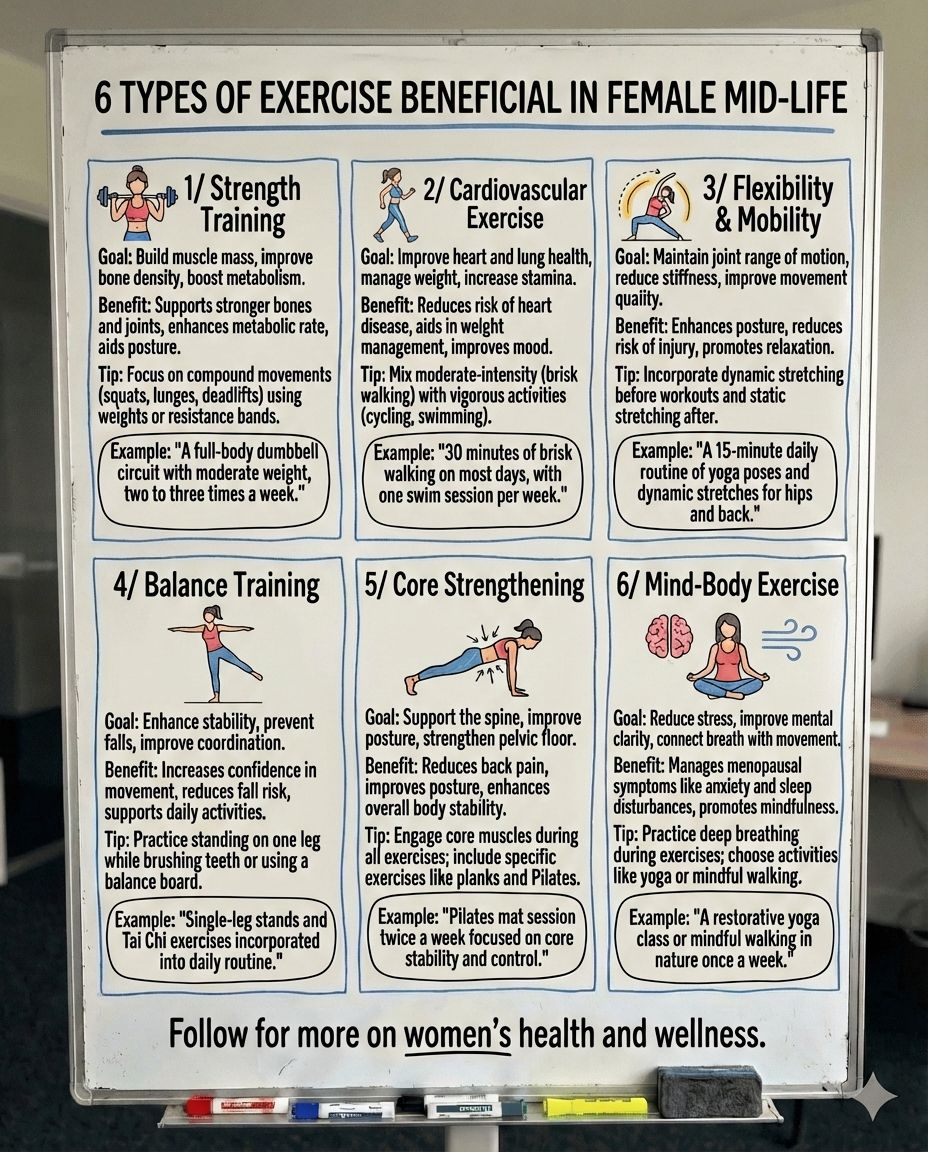
In a recent LinkedIn post, Liz Bradford addresses a common misconception among women in their 40s regarding exercise, arguing that traditional fitness routines may no longer be effective due to significant physiological changes during perimenopause. Bradford, a voice on women’s health and fitness, highlights that while many women are actively engaged in exercise, their protocols might not align with the evolving needs of their bodies.
Bradford emphasizes that the biological shifts occurring during perimenopause require a strategic adjustment in fitness. She points out that declining estrogen levels, faster muscle breakdown, decreasing bone density (1-2% per year), and metabolic changes fundamentally alter how the body responds to exercise. This means that an exercise plan that was effective in one’s early thirties may become insufficient by the mid-forties.
“The exercise protocol that worked at 32 will fail you at 47. Not because you’re less capable. Because your biology changed.”
Rethinking Exercise Priorities for Midlife Women
Liz Bradford argues that the focus of exercise must shift from aesthetics or general fitness to targeted physiological support. She outlines several key areas that become crucial during this life stage:
Strength Training: A Non-Negotiable Foundation
Bradford asserts that strength training is no longer optional but essential. The goal, she explains, is not solely about building muscle for appearance but for critical functions like maintaining bone density, supporting metabolic rate, and ensuring functional capacity well into older age.
Balance and Core Strength for Long-Term Health
According to Bradford, neglecting balance training can have serious consequences. She states that preventing falls, which can lead to debilitating hip fractures later in life, relies heavily on a strong sense of balance. Similarly, core strengthening is vital for supporting the spine and pelvic floor, which are particularly vulnerable to the weakening effects of hormonal shifts on connective tissues.
“Balance training prevents the fall that breaks your hip at 65. Sounds dramatic. It’s statistically likely if you skip this.”
Cardiovascular and Flexibility Work in Context
While cardiovascular exercise remains important, Liz Bradford positions it as only one component of a comprehensive fitness strategy, not the primary driver. She also stresses the importance of flexibility and mobility to counteract joint stiffness and prevent injuries as women age.
“Cardiovascular work still matters, but not as your primary focus. It’s one piece. Not the whole architecture.”
Mind-Body Connection and Holistic Well-being
Bradford also highlights the role of mind-body exercises in managing common perimenopausal symptoms like anxiety and sleep disturbances, which are often exacerbated by hormonal fluctuations. She advocates for an integrated approach rather than a collection of separate routines.
The Impact of Hormonal Changes on Professional Life
Liz Bradford references a Mayo Clinic study, noting that a significant percentage of women reported adverse work outcomes due to midlife hormonal changes. She suggests that many of these negative professional impacts could have been mitigated with a more appropriate physical foundation.
“Your 20-year-old exercise playbook is obsolete.”
In conclusion, Bradford challenges women to evaluate their current fitness regimens, asking, “What does your current exercise protocol actually address?” She urges them to move beyond outdated exercise plans and instead focus on an approach that is engineered for their current biological reality, ensuring both physical health and continued functional capacity throughout their lives.
📝 About This Content
This article is based on insights shared by Liz Bradford on LinkedIn.
📅 Originally posted on February 20, 2026 | View original post on LinkedIn →