
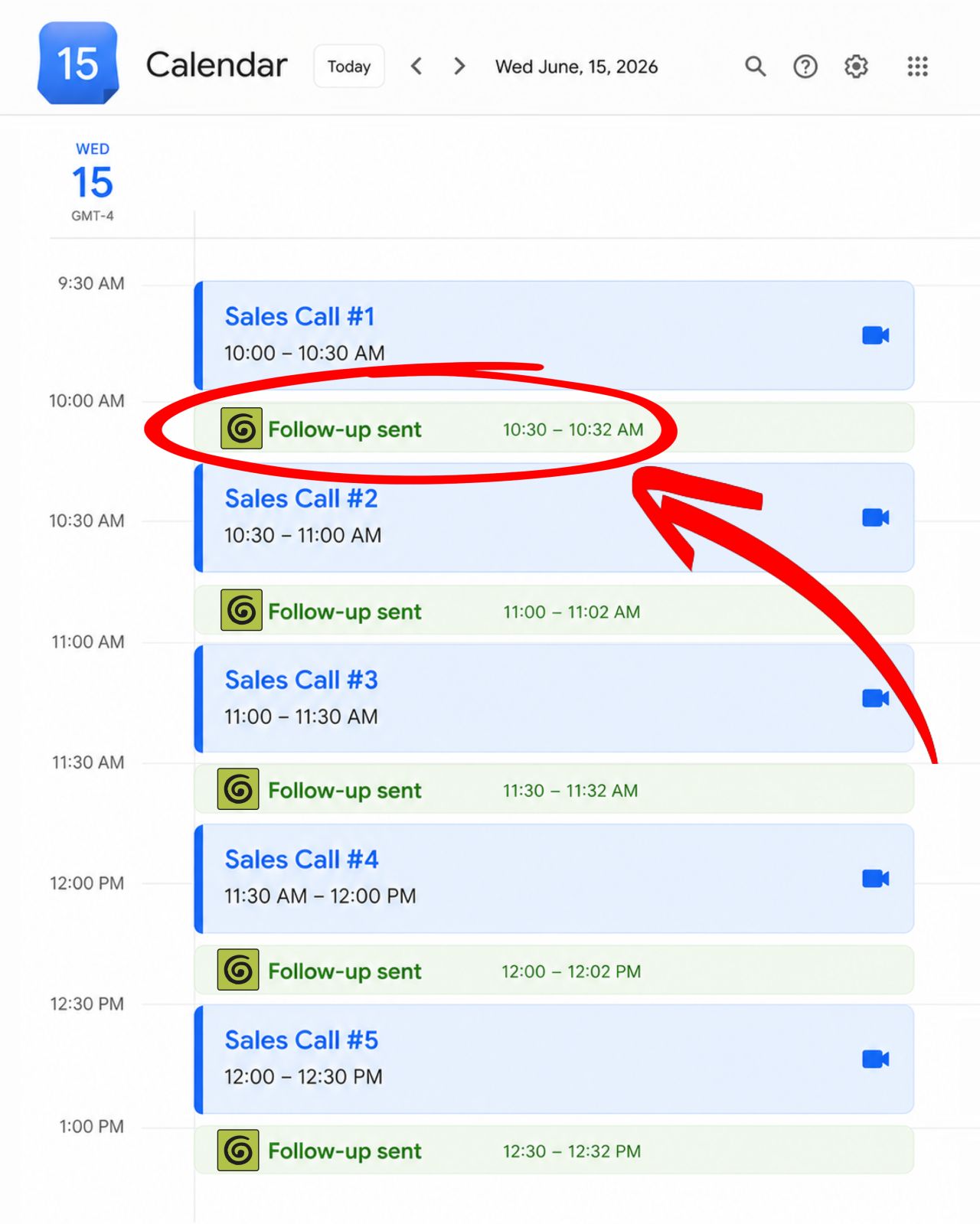
In a recent LinkedIn post, Yonathan Cohen explores how to overcome the common sales challenge of sending timely yet personal follow-up messages after client calls. Cohen addresses the traditional dilemma where quick follow-ups often feel like impersonal templates, while deeply personalized messages can take too long to craft, leading to missed opportunities and “cold deals.” He introduces Granola’s approach to follow-up drafts as a solution to this trade-off.
Bridging the Gap Between Speed and Personalization
Cohen argues that the conventional sales process forces a choice between speed and personalization in follow-up communications. This, he contends, is a significant bottleneck in closing deals. “You’ve always had to pick one. That’s where deals go cold,” Yonathan Cohen states in his post, highlighting the critical impact of this choice.
“A fast follow-up reads like a template. A personal one takes an hour, so it goes out three days later. Or never.”
To tackle this, Cohen explains how Granola’s system generates follow-up drafts immediately after a call concludes, allowing salespeople to send them within minutes. This rapid turnaround is designed to maintain the momentum of the conversation without sacrificing a personal touch.
The Mechanics of Intelligent Follow-Ups
Yonathan Cohen details the key features that enable these drafts to be both fast and personal. The system doesn’t just summarize meetings; it analyzes the conversation’s nuances.
Understanding the Conversation Thread
According to Cohen, the AI “reads the conversation” to identify what was actually said, what promises were made, and where hesitations occurred. This goes beyond a simple recap, focusing on the “thread” of the discussion.
Leveraging Historical Context
Furthermore, Cohen emphasizes the importance of the system knowing the user’s history with the contact. This includes past email exchanges, calendar events, and the overall relationship. “It knows your history with them… so it opens like someone who has been talking to them for months. Because you have,” he notes. This contextual awareness ensures the follow-up feels genuinely connected to the ongoing relationship.
Maintaining Authenticity and Judgment
A crucial aspect highlighted by Yonathan Cohen is that the drafts are designed to “sound like you.” This was an unexpected but vital feature for maintaining authenticity. The system also intelligently determines when *not* to generate a draft, such as when a colleague is handling the follow-up, the deal is stalled, or another communication channel like Slack is more appropriate. “It only writes when there is a genuine reason to,” Cohen explains.
“It never sends anything for you. You read it, amend the line you want, and it goes when you are happy with it.”
Integrating Rapid Follow-Ups into the Sales Workflow
Cohen shares his personal workflow, illustrating the practical application of this technology. His day involves ending calls and immediately reviewing the AI-generated draft in the short interval before his next meeting. A quick amendment and send allows him to move to the next engagement with confidence that the previous client interaction remains “warm.” He states that this process enables him to send multiple personalized follow-ups efficiently.
“So my day runs like this: the call ends, the draft is already waiting. I read it in the two minutes before the next one, amend a line, send. Then I walk into the next call knowing the last customer is still warm.”
Yonathan Cohen’s insights suggest a significant shift in how sales professionals can manage their follow-up processes, enabling them to be both highly responsive and deeply personal, thereby optimizing deal progression.
📝 About This Content
This article is based on insights shared by Yonathan Cohen on LinkedIn.
📅 Originally posted on July 16, 2026 | View original post on LinkedIn →