
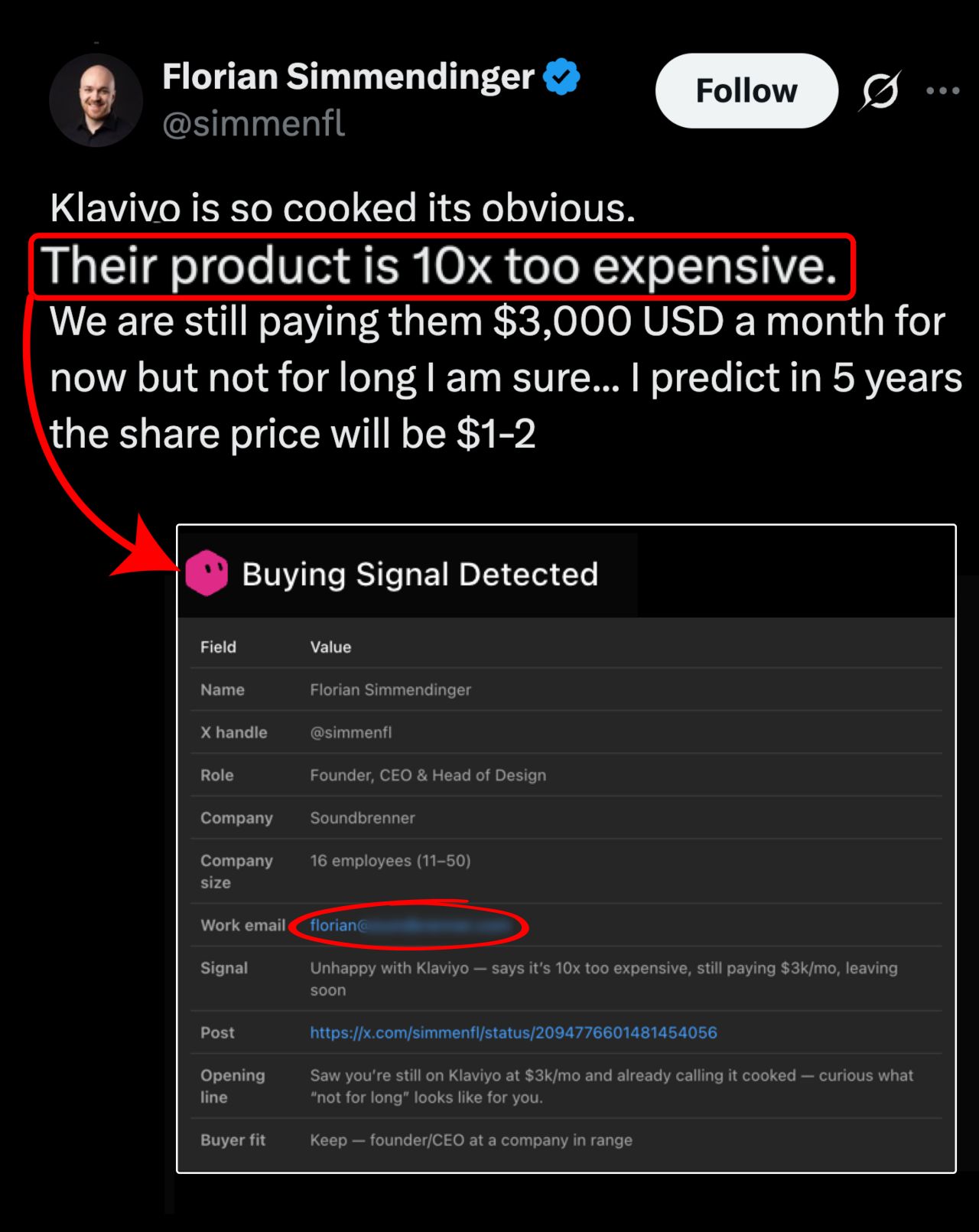
In a recent LinkedIn post, Yonathan Cohen shares a detailed, five-step strategy for identifying potential customers on the platform X, formerly known as Twitter. Cohen emphasizes a systematic approach, focusing on specific user language and intent rather than broad topics to cut through the noise and identify genuine leads.
Cohen outlines his method, which leverages AI tools like Grok Bot and FullEnrich, to transform raw social media activity into actionable sales intelligence. He stresses the importance of qualifying leads based on concrete data points before initiating any outreach.
“give it words, never a topic. A topic returns noise. A sentence returns intent.”
Cohen’s first step involves using an AI tool, which he calls Grok Bot, to monitor for specific phrases that indicate a customer’s dissatisfaction or intent to switch services. He advises against searching for general topics, arguing that precise language is key to understanding user intent.
Leveraging AI for Precise Lead Identification
The strategy continues with the use of a tool called FullEnrich, which Cohen states is crucial for transforming a social media handle and a single post into a comprehensive understanding of a potential lead. This step is often overlooked, according to Cohen, but is vital for identifying the actual person behind the profile.
From Profile to Person
FullEnrich reportedly works by taking a LinkedIn profile link found in a user’s bio, or simply a name and company, and returns detailed information such as the individual’s real identity, their company, company headcount, and their specific role. This enrichment is presented as a critical step that provides context often missing in initial lead discovery.
“a handle and a post is not a lead. FullEnrich works from the LinkedIn link in their bio, or a name and a company.”
As Yonathan Cohen notes, this detailed profiling is essential because “a handle and a post is not a lead.” This deeper dive allows sales teams to understand who they are engaging with, moving beyond superficial online presence.
The Importance of Qualification and Routine
Cohen then moves to the qualification stage, emphasizing that having company size and seniority data is paramount. He points out that many individuals complaining about a tool on social media are unlikely to become customers for a new solution.
“you now have the two columns that matter: company size and seniority. Most people complaining about a tool will never buy yours.”
According to Yonathan Cohen, this qualification step helps filter out noise and indicates whether the initial search parameters were too broad. He advocates for turning this process into a daily routine, executed at a fixed hour, focusing only on activity from the last 24 hours. “Freshness is the whole value,” Cohen asserts, explaining that older complaints are less likely to yield positive results as they may have already been resolved or forgotten.
Targeting the Right Market and Platform
The final step in Cohen’s framework involves directing the monitoring efforts toward the appropriate market. He distinguishes between different sectors, noting that while developers and AI tool users often announce their actions publicly with pricing and reasons, the landscape for sales tools and CRMs can be quieter.
For buyers in these less public sectors, Yonathan Cohen suggests adapting the strategy by monitoring review sites and job advertisements instead of solely relying on social media. This nuanced approach ensures that the lead-finding mechanism is tailored to where potential customers are most likely to express their needs and intentions.
In summary, Yonathan Cohen’s methodology offers a structured, data-driven approach to customer acquisition on X, emphasizing precise language, thorough lead enrichment, rigorous qualification, and timely engagement.
📝 About This Content
This article is based on insights shared by Yonathan Cohen on LinkedIn.
📅 Originally posted on September 10, 2026 | View original post on LinkedIn →